Category:
NewsDenchukha Ropeway Tragedy Spurs Safety Debate
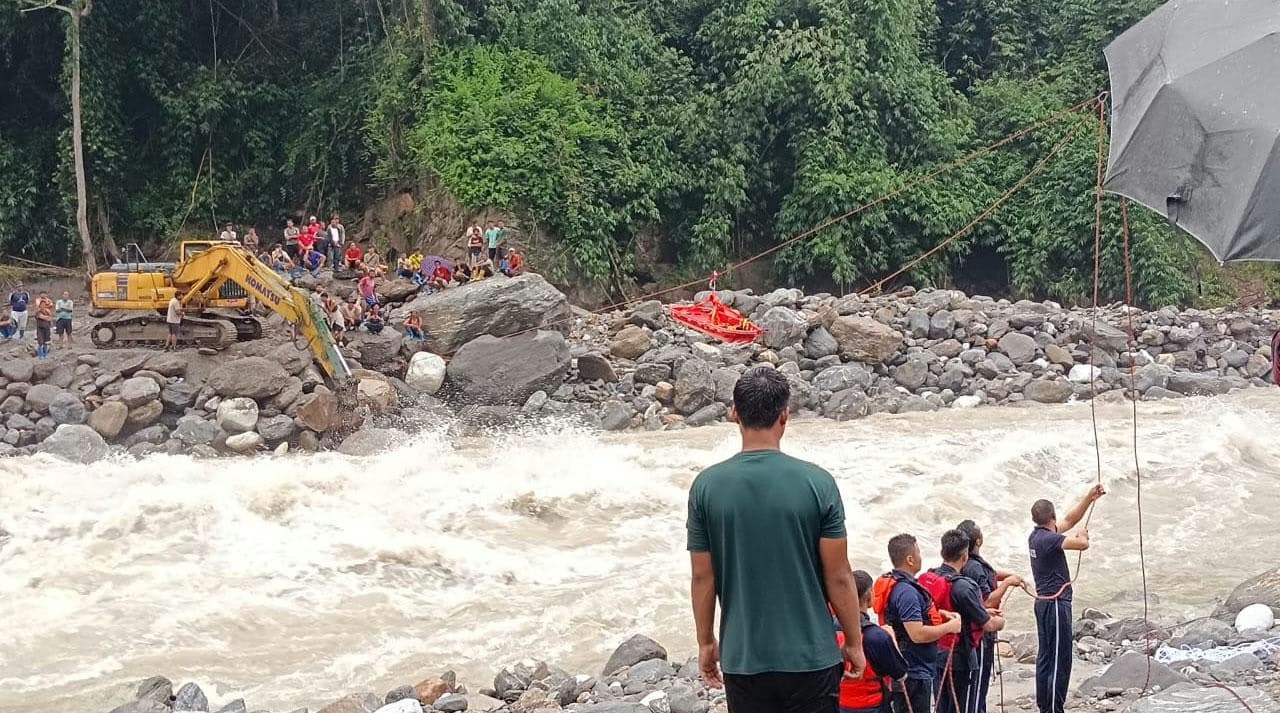
The tragic collapse of the Denchukha ropeway on July 1, 2023, has cast a spotlight on the critical issues of oversight and safety in Bhutan's rural infrastructure projects. As three individuals lost their lives in the incident, questions are being raised about the systemic failures that led to this disaster.
Tragedy Strikes Amidst Monsoon Challenges 🌧️
On the afternoon of July 1, a temporary ropeway installed across the swollen Amochu River tragically snapped, leading to the deaths of a Dzongkha teacher, a support staff member of Denchukha Lower Secondary School, and a gewog caretaker. The ropeway had been a crucial stopgap after a bailey bridge, the community's only road link, was washed away by heavy rains on June 28.
A Community in Mourning
Prime Minister Tshering Tobgay visited the site and offered condolences to the families of the victims on July 2. The loss has sent ripples of grief and anger through the community, which has long relied on such precarious infrastructure. Local leaders had announced the ropeway's operational status just hours before the tragedy, inadvertently setting the stage for the fatal accident.
Scrutiny on Safety and Oversight 🔍
The incident has intensified scrutiny on how infrastructure projects are managed in Bhutan’s remote regions. Oversight, procurement, and quality control have come under the microscope, revealing potential systemic failures. Speculation is rife about the materials used, with suspicions of substandard rope contributing to the tragedy.
Calls for Accountability
The public is demanding a transparent investigation and accountability from the authorities responsible for overseeing the ropeway installation. Although initial reports suggest overloading as a potential cause, others argue that the rope's capacity should have handled the weight of three people, pointing to possible reuse of materials without proper checks.
Challenges of Rural Infrastructure 🎡
The tragedy underscores the unique challenges Bhutan faces in delivering infrastructure to remote areas. With the monsoon season in full swing, logistical constraints often lead to solutions that compromise safety. The Denchukha incident is a stark reminder of the urgent need for improved quality assurance practices.
The Broader Context
This incident is not isolated. Bhutan has faced similar infrastructure challenges in recent years, with frequent washouts and the need for temporary solutions. As heavy rains continue, the construction of a new bailey bridge remains behind schedule, further highlighting the difficulties of infrastructure development in mountainous regions.
Moving Forward: Lessons and Solutions
As Denchukha remains cut off, the incident offers several takeaways:
- Enhanced Oversight: There is a pressing need for better oversight mechanisms to ensure the safety and reliability of temporary infrastructure.
- Community Engagement: Involving local communities in planning and safety checks could prevent future tragedies.
- Investment in Durable Solutions: Long-term infrastructure investments are crucial to avoid reliance on temporary fixes.
Looking Ahead 🌟
The Bhutanese government and local authorities must prioritize safety and quality in all future projects, ensuring that tragedies like Denchukha's are not repeated. As the nation grapples with its infrastructure challenges, this incident may serve as a catalyst for much-needed reforms.
In the wake of this tragedy, Bhutan faces a pivotal moment to reassess and strengthen its infrastructure policies, with the hope of building a safer future for all its citizens.
You May Also Like
News
Women Entrepreneurs Master AI and Digital Tools in Phuentsholing
September 1, 2026
News
Can Samtse Keep Up With Its Growing Workforce?
August 29, 2026
News
Nepal Flood Exposes Critical Gaps in Bhutan's Early Warning Systems
August 29, 2026
News
High Court Overturns Acquittal: Doctor Sentenced to 10 Years for Child Sexual Abuse
August 29, 2026