Category:
EconomyDAMC Launches Taste Bhutan Brand to Expand Singapore Market

Bhutan's agricultural sector is experiencing a transformative moment as the Department of Agricultural Marketing and Cooperatives (DAMC) unveils an ambitious initiative to establish a cohesive presence in one of Asia's most dynamic markets. 🌾 The introduction of the "Taste Bhutan" collective brand represents a strategic pivot toward premium market positioning, moving away from fragmented individual product sales toward a unified, story-driven export strategy that celebrates Bhutanese authenticity and quality.
Strategic Market Entry: The Taste Bhutan Initiative 🚀
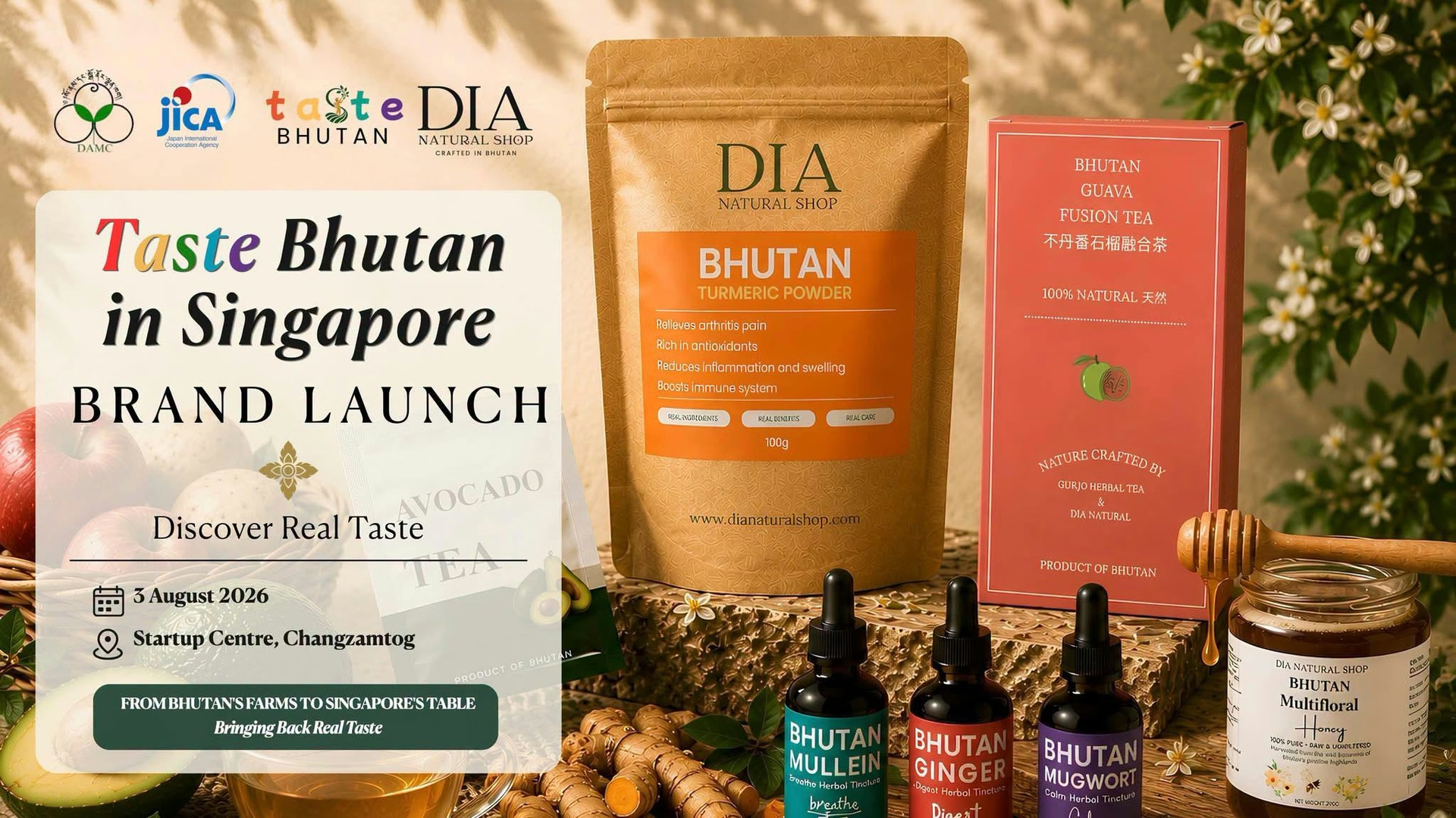
The collaborative effort between DAMC and Singapore-based retailer DIA Natural marks a significant milestone in Bhutan's agricultural export journey. Rather than allowing Bhutanese farmers and producers to compete individually in foreign markets, this unified branding approach consolidates their offerings under a single, recognizable identity. The initiative encompasses an impressive portfolio of products including artisanal chilli paste, premium turmeric powder, raw honey, specialty teas, traditional spices, convenient ready-to-cook meals, and wellness products formulated with natural ingredients.
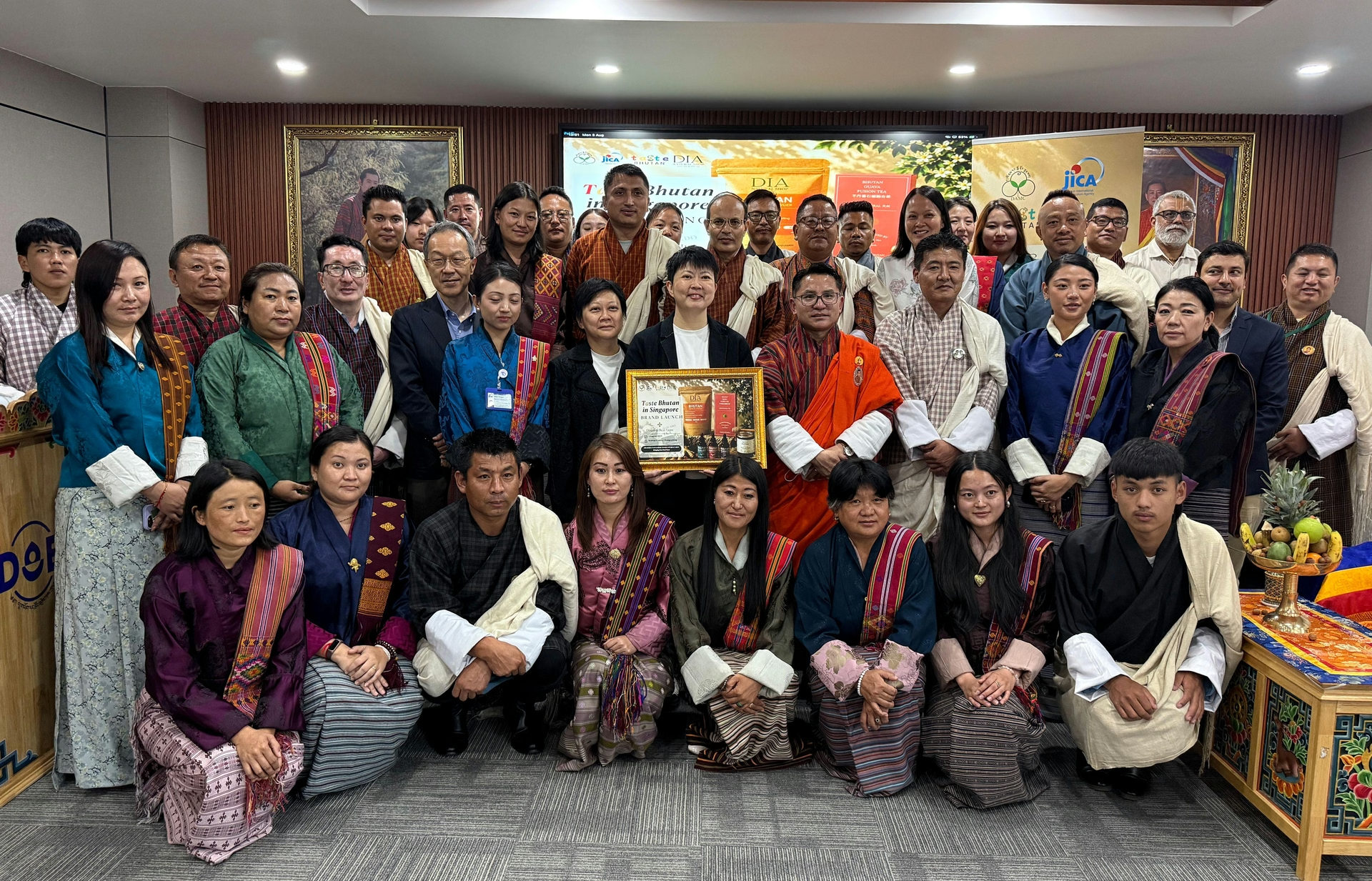
This strategic consolidation addresses a critical market insight: while individual Bhutanese agricultural products enjoy strong reputations for quality and purity, the absence of coordinated branding has prevented them from achieving optimal market penetration and consumer recognition in competitive international markets.
Market Research Insights and Consumer Demand 📊
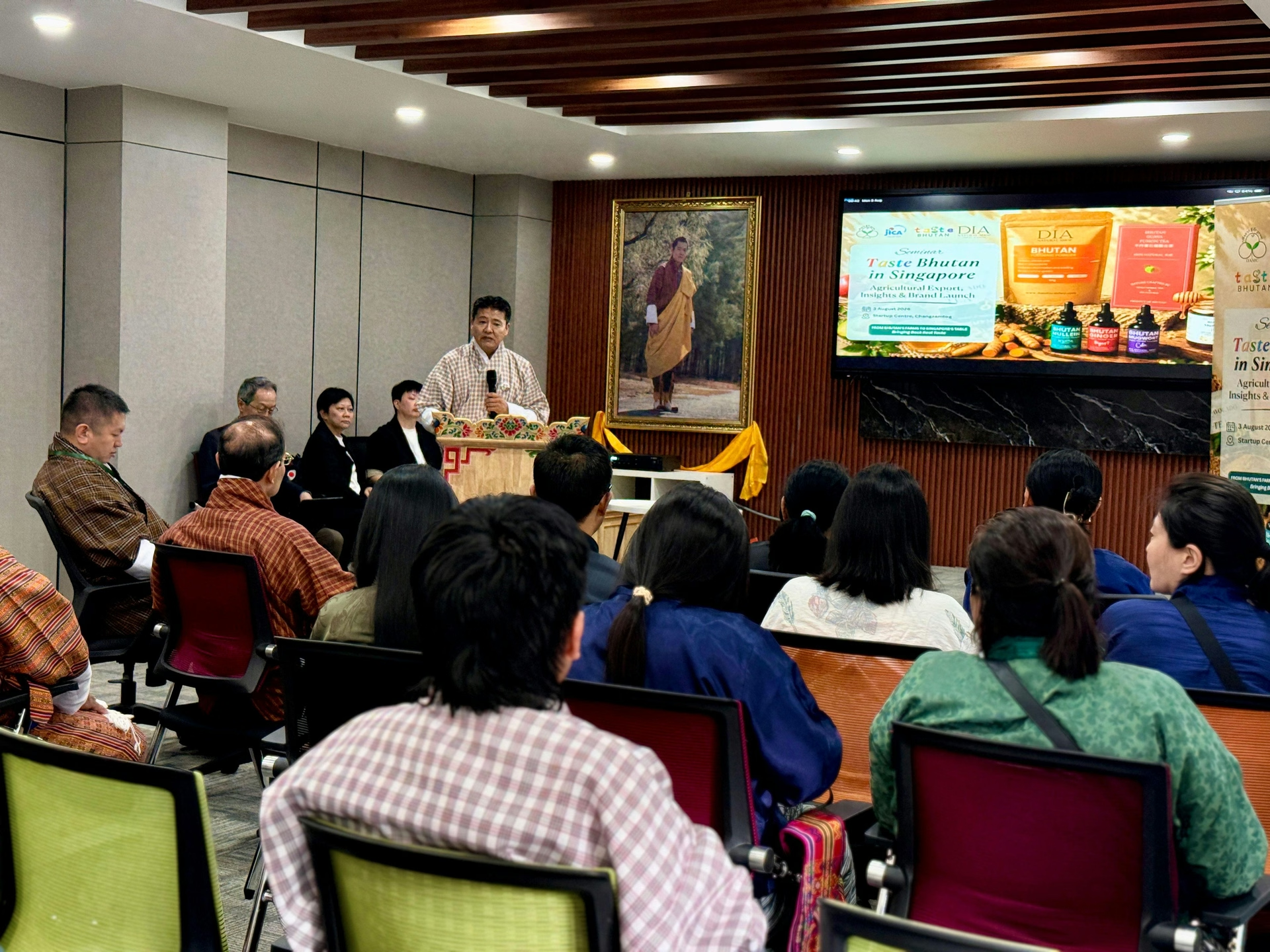
The foundation for this launch rests on comprehensive market analysis conducted during a dedicated Singapore Market Exploration Mission in May, led by the Ministry of Agriculture and Livestock. The research revealed compelling consumer preferences that directly shaped the Taste Bhutan product selection:
- Tea and herbal infusions remain among the most sought-after categories
- Raw honey and specialty honey products command premium pricing
- Spices and seasonings with authentic origins attract health-conscious consumers
- Gifting bundles present lucrative opportunities for premium positioning
- Premium snacks and nuts reflect growing wellness trends
Singaporean consumers demonstrated particular appreciation for Bhutanese products' authenticity and safety standards. However, the research also identified a critical gap: the lack of unified branding was limiting market competitiveness and consumer trust. This finding became the catalyst for developing the Taste Bhutan brand architecture.
Beyond Products: Exporting the Bhutan Brand Story ✨
According to marketing advisors supporting the initiative, the Taste Bhutan launch transcends conventional product export. The strategy focuses on communicating Bhutan's brand narrative—positioning the nation as a premium, trustworthy, consistent, and story-driven producer in the global consciousness. This approach aligns with evolving consumer behavior, particularly among affluent Asian markets where provenance, sustainability, and authentic sourcing command significant price premiums.
The brand positioning emphasizes several distinctive advantages:
Quality Assurance: Stringent food safety standards and transparent production practices
Authentic Origin: Clear geographical indication and cultural heritage narratives
Sustainable Practices: Environmental stewardship and traditional farming methods
Consistent Supply: Reliable quality maintenance across all product batches
Premium Packaging: Professional presentation reflecting product value
This multifaceted approach recognizes that contemporary consumers, particularly in developed Asian markets like Singapore, purchase more than functional products—they invest in stories, values, and the assurance of ethical sourcing.
Addressing Agricultural Challenges Through Market Opportunities 🌍
Bhutanese farmers currently navigate a complex landscape of interconnected challenges that threaten agricultural sustainability. Climate variability increasingly disrupts traditional growing seasons and crop yields. An aging farming population, combined with youth migration to urban centers, creates labor shortages during critical harvesting periods. Land fragmentation reduces operational efficiency, while water scarcity limits irrigation capacity in many regions. Additionally, human-wildlife conflict poses ongoing threats to crop security and farmer safety.

Paradoxically, these challenges create opportunities for strategic repositioning. Rather than competing on production volume—an approach where Bhutan cannot realistically match larger agricultural nations—farmers can capitalize on premium market positioning. By emphasizing quality, sustainability, and limited-edition seasonal offerings, Bhutanese producers can command substantially higher price points, improving profitability despite lower volumes.
This economic model proves particularly relevant given Bhutan's geographic advantages. The nation's pristine environment, minimal chemical inputs, and traditional cultivation methods create authentic differentiation in markets increasingly concerned with food safety and environmental impact.
Government Support and Institutional Coordination 🤝
The Taste Bhutan initiative reflects coordinated support across multiple government entities and development partners. The Food Corporation of Bhutan Limited (FCBL) has committed to establishing dedicated sales and marketing outlets across all 19 retail locations nationwide, creating domestic infrastructure for product aggregation and quality control. This institutional backing ensures consistent supply chains and standardized product presentation.
Japanese International Cooperation Agency (JICA) support has been instrumental in market analysis and strategic planning. With JICA's assistance, DAMC has identified priority export markets—particularly Singapore and Thailand—where demand patterns align with Bhutanese product capabilities and market positioning strategies.
Government leadership has articulated a clear vision: Bhutan cannot aspire to become the world's largest agricultural producer, but it can establish itself as a globally trusted, premium-quality producer commanding respect and loyalty among discerning international consumers.
Expanding Beyond Traditional Markets 🌐
Historically, Bhutanese agricultural exports have concentrated on neighboring markets, particularly India and Bangladesh. While these relationships remain important, market saturation and price competition in traditional channels have limited farmer profitability. The strategic focus on Singapore and Thailand represents deliberate geographic diversification toward higher-value markets with greater purchasing power and consumer sophistication.
Singapore's position as a regional trade hub, combined with its affluent consumer base and stringent food safety standards, makes it an ideal entry point for premium Bhutanese products. Success in Singapore can facilitate subsequent expansion into other developed Asian markets, including Hong Kong, South Korea, and Japan.
Consumer Trust and Market Positioning Standards 🏆
Singaporean consumers demonstrate particular sophistication regarding food safety and product authenticity. Research indicates that successful market penetration requires:
- Transparent food safety certifications demonstrating compliance with international standards
- Clear product origin documentation establishing geographical authenticity
- Professional packaging reflecting premium positioning and protecting product integrity
- Consistent branding enabling consumer recognition and brand loyalty development
- Authentic storytelling communicating production methods and cultural heritage
These requirements align perfectly with Bhutan's competitive advantages. The nation's reputation for environmental stewardship, limited industrial agriculture, and traditional production methods naturally satisfy consumer preferences for authentic, sustainably-produced foods.
Strategic Market Positioning: Quality Over Volume 💎
The Taste Bhutan strategy deliberately rejects volume-based competition. Instead, the approach emphasizes:
- Unique product formulations reflecting traditional Bhutanese recipes and ingredients
- Limited production volumes creating exclusivity and premium positioning
- Seasonal supply patterns emphasizing natural production cycles and authenticity
- Price-insensitive marketing targeting affluent consumers prioritizing quality over cost
This positioning strategy proves particularly relevant given global trends toward premium food products, wellness-focused consumption, and ethical sourcing. Bhutanese agricultural products naturally align with these consumer preferences, requiring only professional branding and market access infrastructure to achieve commercial success.
Implications for Bhutan's Agricultural Future 🌱
The Taste Bhutan initiative represents more than a single export program—it signals fundamental strategic reorientation of Bhutan's agricultural sector. By embracing premium positioning and international market access, the initiative supports farmer resilience, rural income diversification, and youth retention in agricultural communities.
Successful market penetration in Singapore could catalyze broader agricultural transformation. Improved farmer profitability encourages investment in sustainable production practices, value-added product development, and agricultural entrepreneurship. Enhanced export revenue contributes to national economic diversification, reducing dependence on traditional sectors and creating employment opportunities throughout agricultural supply chains.
Looking Forward: Expansion and Opportunity 🎯
The launch of Taste Bhutan in Singapore represents an initial phase in what government officials envision as sustained international market expansion. Successful execution in this pilot market will provide valuable insights for subsequent expansion into Thailand, Hong Kong, and other high-value Asian markets.
For Bhutanese farmers and agricultural entrepreneurs, this initiative opens unprecedented opportunities to access premium international markets while maintaining traditional production practices. For consumers seeking authentic, sustainably-produced foods with transparent sourcing, Taste Bhutan offers compelling alternatives to conventional agricultural products.
The initiative demonstrates that in an increasingly interconnected global marketplace, authentic storytelling, consistent quality, and strategic positioning can overcome production scale disadvantages. Bhutan's unique geographic, environmental, and cultural assets provide genuine competitive advantages—advantages that the Taste Bhutan brand is now positioned to leverage effectively.
As this ambitious initiative unfolds, it will likely serve as a template for other developing nations seeking to establish premium market positioning and sustainable agricultural export strategies. The convergence of consumer demand for authentic, ethically-sourced products with Bhutan's inherent competitive advantages creates genuine potential for transformative commercial success.
You May Also Like

Economy
Fixed Deposit Tax Withholding: What You Need to Know
September 13, 2026
Economy
DRC's QR Payment Innovation: Tracking Business Income
September 2, 2026

Economy
Single Mother Transforms Life Through Beekeeping in Bhutan
August 31, 2026
Economy
Natural Resources: Turning Ore into National Opportunity
August 29, 2026