Category:
EconomyCall for Reforms in Phuentshogling and Samtse
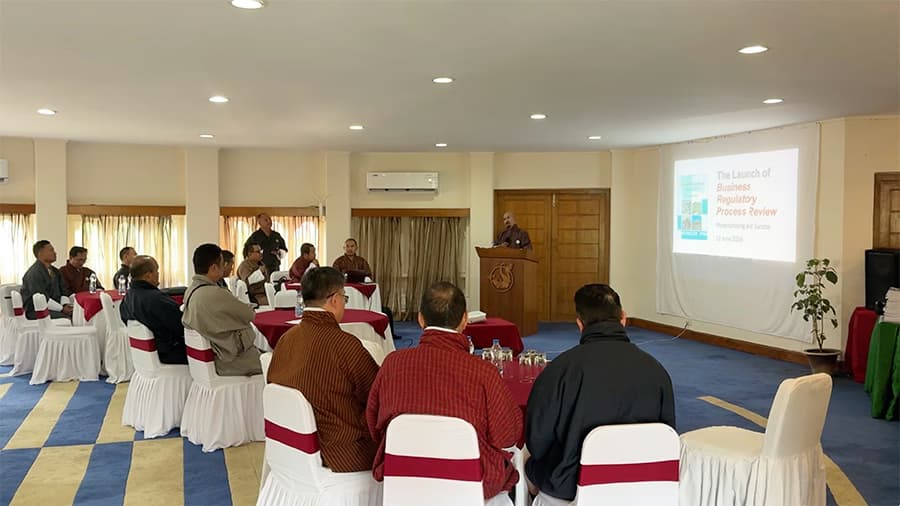
Economic Hubs Seek Transformation 🚀
In the vibrant border towns of Phuentshogling and Samtse, business leaders are calling for a fresh wave of regulatory reforms to unleash economic potential. These towns are key gateways to Bhutan's economy, yet they face significant hurdles that stifle growth and investment.
A recent report titled Economic Gateways of Bhutan: Business Regulatory Process Review in Phuentshogling and Samtse reveals over 54 challenges hindering business activities. The issues range from lengthy licensing procedures and labour shortages to cross-border trade barriers and weak digital infrastructure. Such obstacles impede competitiveness and weaken Bhutan's overall economic performance.
Administrative Bottlenecks: A Barrier to Growth 📊
The report highlights that many challenges are rooted in administrative inefficiencies. Business owners face delays in government processes, which can often be improved with better coordination.
Khampa, a project management specialist, emphasizes the need for a clear understanding of these issues to engage effectively with the government. This marks the first comprehensive documentation of the challenges faced by businesses in these towns.
Key Recommendations for Reform 🛠️
The report outlines ten strategic recommendations to enhance the business climate:
- Establish a Single-Window Regulatory Service Centre: Simplifying administrative processes through a centralized platform.
- Reform the Goods and Services Tax (GST) Framework: To make the tax system more business-friendly.
- Strengthen Action Against Fronting: Targeting illicit business practices that undermine fair competition.
- Enhance Digital Infrastructure: To support modern business needs and connectivity.
These proposed reforms aim to improve the ease of doing business, bolster competitiveness, and support sustainable economic growth.
Broader Impacts on Bhutan's Economy 🌐
Phuentshogling serves as Bhutan's main trade corridor, and inefficiencies here ripple across the nation. Disruptions in trade can lead to supply shortages and increased prices of essential goods, impacting the broader Bhutanese economy.
Chorten Dorji, Executive Director of the Handicrafts Association of Bhutan, underscores the importance of cohesive action among government agencies and regional offices to tackle these issues effectively.
A Collaborative Approach to Change 🤝
The Bhutan Chamber of Commerce and Industry (BCCI), in partnership with the Voice for Green Change Partnership Project, spearheaded the report's development through a multi-sectoral Technical Working Group. This group included representatives from key economic sectors, ensuring a well-rounded perspective on the issues at hand.
Funded by the European Union, the report serves as a catalyst for dialogue and action, encouraging both the government and private sector to work together for positive change.
Looking Forward: Future Prospects 🌟
As Bhutan navigates its path toward economic development, the calls for reform in Phuentshogling and Samtse highlight a critical need for modernization. By addressing these challenges, Bhutan can pave the way for a more competitive and dynamic economic landscape.
Business leaders, government officials, and stakeholders alike are poised to transform these economic gateways into models of efficiency and growth. With collective effort and strategic reform, the future of Bhutan's economy looks promising.
In conclusion, the momentum for change is building in Phuentshogling and Samtse. As these towns embrace reform, they set the stage for a thriving business environment that benefits all of Bhutan. 🌟
You May Also Like
Economy
Fixed Deposit Tax Withholding: What You Need to Know
September 13, 2026
Economy
DRC's QR Payment Innovation: Tracking Business Income
September 2, 2026
Economy
Single Mother Transforms Life Through Beekeeping in Bhutan
August 31, 2026
Economy
Natural Resources: Turning Ore into National Opportunity
August 29, 2026