Category:
HealthBuilding a More Responsive Healthcare System
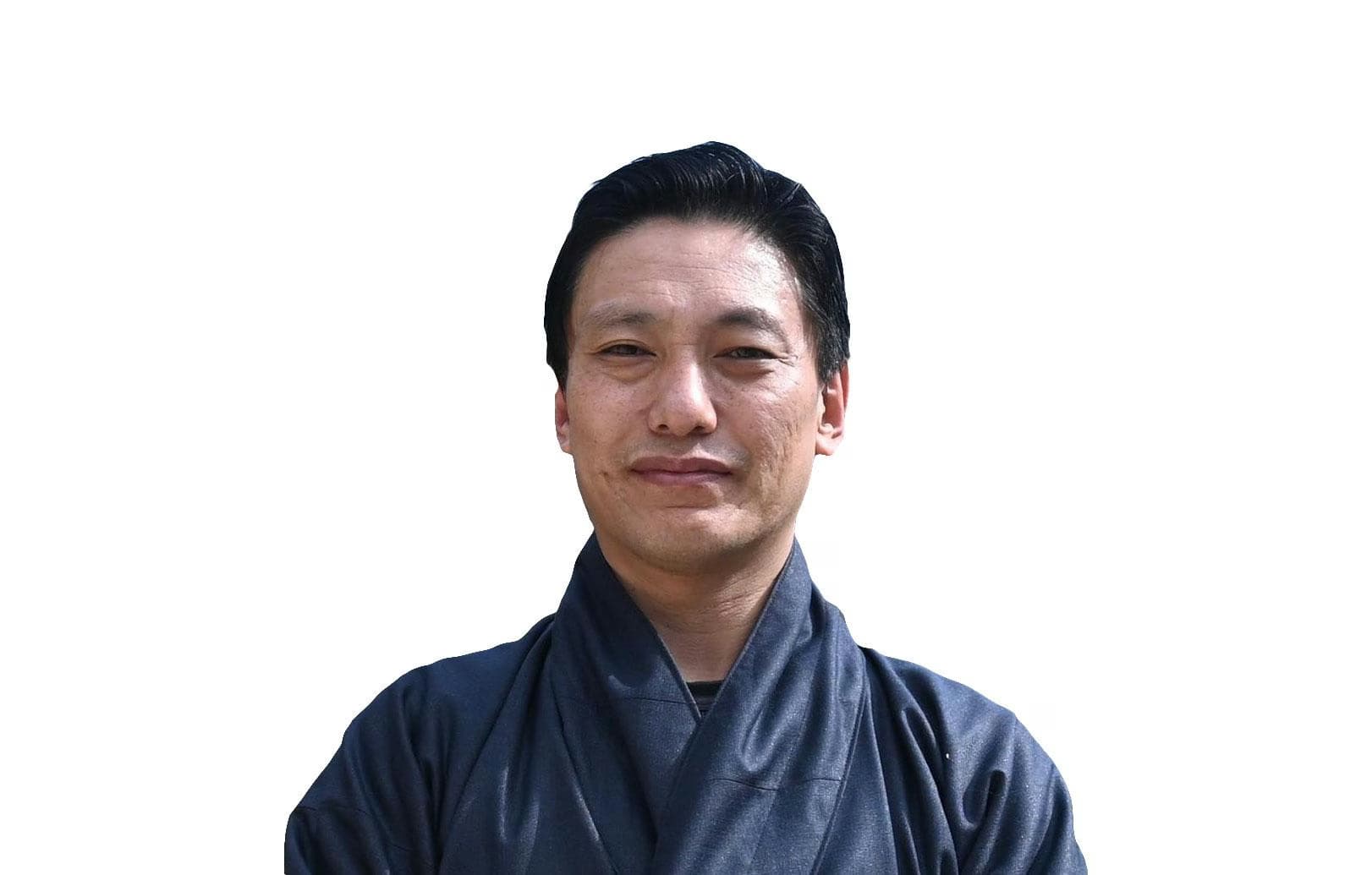
In recent years, the healthcare landscape in Bhutan has been evolving to meet the needs of its citizens more effectively. Under the leadership of Dr. Phub Tshering at the Jigme Dorji Wangchuck National Referral Hospital (JDWNRH), significant strides have been made towards creating a more patient-centred approach. This article explores the critical changes and challenges that are shaping the future of healthcare in Bhutan.
Transforming Patient Care: Key Initiatives 🌟
The transformation at JDWNRH is characterized by several strategic initiatives aimed at enhancing patient care. One of the primary focuses has been on refining appointment scheduling and referral pathways. These improvements are essential in ensuring that patients receive timely access to necessary medical services, both within Bhutan and through international referrals when needed.
Enhancing Emergency and After-Hours Services 🚑
Emergency care is a crucial component of any healthcare system. JDWNRH has placed significant emphasis on enhancing after-hours services, ensuring that critical care is available when needed the most. This initiative is supported by a commitment to improving emergency response times and the quality of care provided.
Workforce Development and Training 📚
A well-trained workforce is the backbone of a robust healthcare system. JDWNRH has prioritized professional development and training for its staff, recognizing the need for continuous learning and skill enhancement. This focus not only aids in retaining skilled professionals but also ensures that patients receive the highest standard of care.
Addressing Pressing Challenges 🔧
While progress has been made, JDWNRH faces significant challenges that require ongoing attention. Among these are workforce capacity, the rising burden of non-communicable diseases, and growing public expectations.
Workforce Capacity: Bridging the Gaps 👩⚕️
Human resource shortages present a persistent challenge, with certain specialties relying on a limited number of clinicians. To address this, JDWNRH is actively recruiting foreign specialists while simultaneously building domestic capacity. This dual approach ensures that critical gaps are filled, allowing for sustained service delivery.
Rising Burden of Non-Communicable Diseases 📈
Non-communicable diseases such as cancer and diabetes are increasingly impacting Bhutan's healthcare resources. These conditions require long-term management and significant investment in healthcare infrastructure. Additionally, the threat of antimicrobial resistance necessitates a strategic response to prevent more complex and costly treatments.
Balancing Demand and Resources ⚖️
Bhutan’s free healthcare system is a point of national pride, yet it also presents challenges in managing public expectations. Patients often seek specialist care at JDWNRH for conditions that could be managed at primary healthcare facilities. Balancing the demand for specialized services with available resources is a key operational challenge.
The Path Forward: Strategies for Sustainable Improvement 🌱
Sustainable improvement at JDWNRH requires a shift not only in technology but also in organizational culture. A significant focus is placed on developing a workforce framework that recognizes the unique skills and competencies of healthcare professionals. This approach helps ensure that staffing levels are adequate and that professionals feel valued and motivated.
Creating a Supportive Work Environment 🏥
Recent initiatives at JDWNRH have focused on improving the overall work environment for staff. Facilities such as staff lounges, a gymnasium, and child care centres have been introduced to support employee well-being. These efforts are complemented by career pathways and compensation structures that reflect the specialized nature of healthcare work.
Conclusion: A Vision for the Future 🔮
The journey toward a more responsive and patient-centred healthcare system in Bhutan is well underway. While challenges remain, the strategic initiatives implemented by JDWNRH offer a model for sustainable improvement. By focusing on workforce development, patient-centered care, and strategic resource management, Bhutan is poised to meet the evolving healthcare needs of its population.
Looking ahead, continued collaboration and commitment will be essential in overcoming current challenges and realizing the full potential of Bhutan's healthcare system. As these efforts progress, the vision of a healthcare system that is both responsive and centred on patient needs is within reach.
You May Also Like

Health
Mental Health: A Shared National Responsibility
August 29, 2026
Health
Mongar Mother and Child Hospital Handover: Ending Years of Healthcare Delays
August 26, 2026
Health
Behind Every Statistic: Understanding Human Impact in Health
August 26, 2026
Health
Breaking the Cycle: Understanding Relapse in Recovery
August 22, 2026