Category:
PoliticsBhutan's Path to GNH-Driven Anti-Corruption
In a world where governance is often synonymous with bureaucracy and inertia, Bhutan stands out as a beacon of innovation and mindfulness. 🌟 The small Himalayan kingdom has long embraced the philosophy of Gross National Happiness (GNH), prioritizing spiritual and ecological well-being over mere economic growth. But could Bhutan's unique approach offer a fresh blueprint for tackling one of the world's most persistent challenges: corruption? 🤔
Understanding GNH: A Holistic Development Model
Bhutan's development philosophy of Gross National Happiness is more than just a catchy slogan. It seeks to balance material prosperity with spiritual, ecological, and cultural well-being. This holistic approach has positioned Bhutan as a global leader in sustainable development. The country's commitment to GNH is evident in initiatives like the Gelephu Mindfulness City (GMC), which aims to blend innovation with mindfulness, fostering an environment where integrity thrives. 🌱
The Role of Buddhist Values
At the heart of Bhutan's governance model is Buddhism, which emphasizes compassion, mindfulness, and community. These values permeate Bhutanese society, influencing everything from policy decisions to daily interactions. By integrating these principles into governance, Bhutan seeks to create a system that not only fights corruption but also promotes integrity and efficiency.
The Global Fight Against Corruption: Lessons Learned
Corruption remains a significant barrier to development worldwide. International bodies like Transparency International and the World Bank have long championed reforms emphasizing transparency and accountability. However, despite decades of effort, corruption persists, often exacerbated by the very frameworks meant to combat it. 🌐
The Corruption Trap: A Double-Edged Sword
The fight against corruption has evolved significantly since the 1970s. Initially, it focused on the exploitative practices of multinational corporations. Today, however, the definition of corruption is often limited to the abuse of public office for private gain. This narrow view overlooks the broader systemic issues that fuel corruption, such as economic inequality and lack of access to justice. ⚖️
The Rise of Regulatory Capitalism
The proliferation of anti-corruption regulations has led to the emergence of 'regulatory capitalism.' This phenomenon sees regulations commodified, creating markets for compliance, audits, and certifications. While these measures aim to enhance governance, they often burden small businesses and NGOs, stifling innovation and creativity. 📊
Bhutan's Sovereign Approach: A GNH-Driven Model
In contrast to the global trend, Bhutan's GNH-driven approach offers a promising alternative. By prioritizing community well-being and local empowerment, Bhutan seeks to address the root causes of corruption rather than merely its symptoms. This model supports small businesses and social enterprises, fostering an environment where innovation can flourish without the heavy hand of excessive regulation. 🌍
The Tarayana Foundation: A Case Study
The Tarayana Foundation exemplifies Bhutan's bottom-up approach to development. It integrates diverse needs, from spirituality to livelihood, creating vibrant local communities. This model demonstrates how local empowerment can overcome structural barriers that often hinder governmental interventions. 🙌
Pitfalls to Avoid: Learning from the Nordic Experience
Bhutan can learn valuable lessons from the Nordic welfare states, which have long balanced social welfare with economic prosperity. However, these models face challenges, such as austerity measures and public service cuts, which threaten their sustainability. Bhutan must remain vigilant, ensuring its governance model remains resilient and adaptable. 🚀
Conclusion: Paving the Way for a New Governance Paradigm
As Bhutan continues to refine its GNH-driven approach, it stands poised to offer a new paradigm for global governance. By focusing on human flourishing, service to the people, and comprehensive visions of the good, Bhutan can lead the way in creating governance models that truly serve their citizens. As the world grapples with the challenges of corruption, Bhutan's example offers hope that a more mindful, equitable future is possible. 🌟
Looking forward, Bhutan's journey will be closely watched by policymakers, scholars, and citizens worldwide. Its success could inspire other nations to reconsider their own approaches to governance, paving the way for a more ethical and sustainable world order. 🌍✨
You May Also Like
Politics
Bhutan Launches Four Voter Participation Initiatives for LG Elections
September 16, 2026
Politics
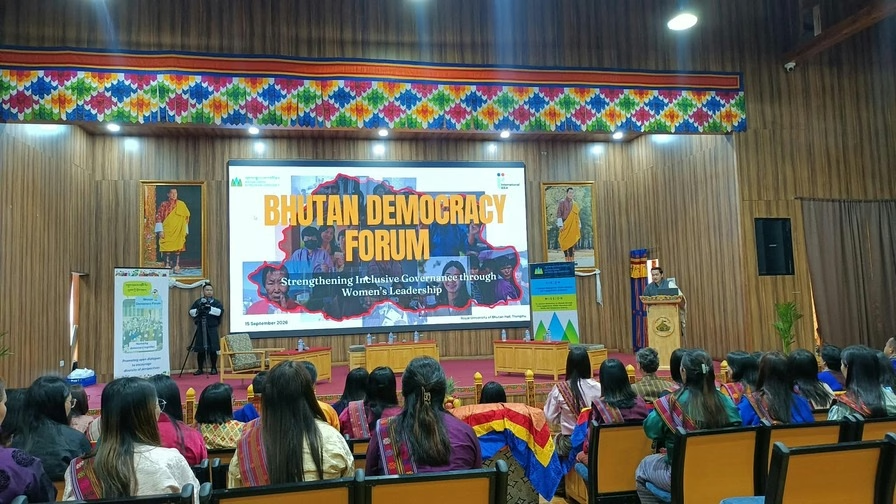
Women in Politics: Breaking Through Barriers Before Election Day
September 15, 2026

Politics
Women Leaders Training: Preparing for 2027 Local Elections
August 31, 2026
Politics
Speaker Election: Constitutional Duty Over Party Loyalty
August 29, 2026