Category:
CultureBhutan's Modern Buddhist City: A New Era
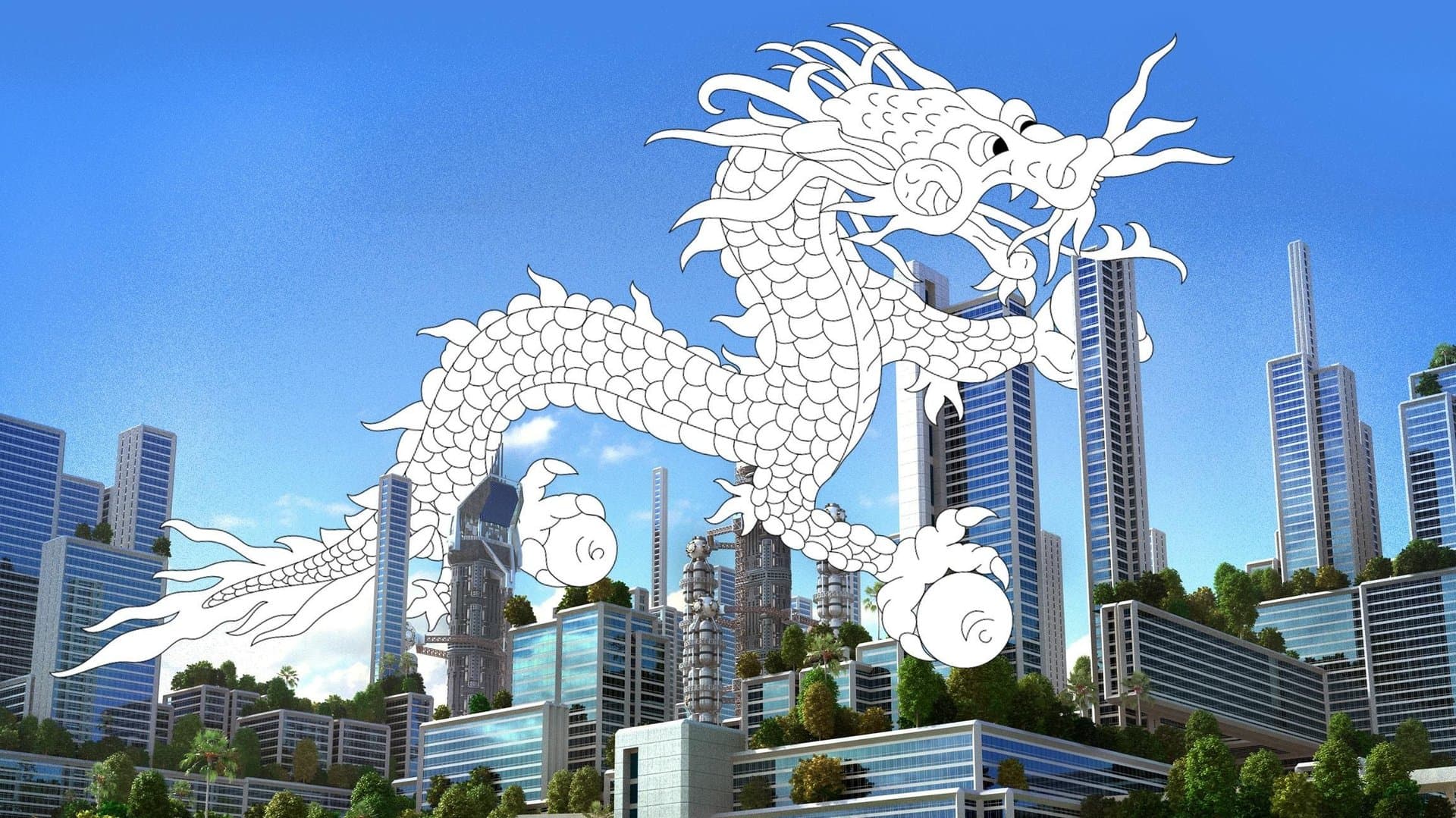
In the heart of the Himalayas, Bhutan, the last Vajrayana kingdom, is embarking on an extraordinary journey. The nation is poised to establish the first modern Buddhist city, a testament to its deep-seated spiritual roots and forward-thinking vision. This initiative reflects Bhutan's unique blend of tradition and modernity, offering a fresh perspective on urban development and spiritual practice.
A Visionary Leap 🌟
Bhutan, known for its Gross National Happiness index, demonstrates a commitment to holistic development. The establishment of a modern Buddhist city aligns with its cultural ethos, promoting peace, harmony, and spiritual growth. This ambitious project is more than just urban development; it is a revival of Bhutan's spiritual heritage in a contemporary setting.
Historical Context: The Dharma Kings 🔍
The concept of Dharma Kings is central to understanding Bhutan's spiritual legacy. These secular leaders, like King Ashoka and King Kanishka, played pivotal roles in the propagation of Buddhism. They used their power to foster environments where Buddhist teachings could thrive. In Bhutan, this legacy is carried forward by the present monarchy, which seeks to integrate Buddhist principles into the fabric of modern society.
The Role of Songtsen Gampo 🎯
Songtsen Gampo, a revered Dharma King of Tibet, was instrumental in spreading Buddhism across the Himalayan region. His visionary efforts included the construction of 108 temples to stabilize the land and nurture spiritual growth. Among these, Jampa Lhakhang and Kyichu Lhakhang in Bhutan stand as enduring symbols of this spiritual network, connecting communities through shared beliefs and practices.
Modern Bhutan: A Spiritual Renaissance 🌄
This new Buddhist city aims to be a hub of spiritual and cultural exchange. It will feature:
- Temples and Monasteries: Centers for meditation and learning
- Cultural Institutions: Museums and galleries showcasing Bhutanese art and history
- Eco-friendly Infrastructure: Sustainable practices in architecture and urban planning
These elements will create a vibrant community that honors the past while embracing the future.
Global Significance and Trends 🌍
The modern Buddhist city reflects a broader trend of integrating spirituality with urban living. As cities worldwide grapple with issues of sustainability and well-being, Bhutan's approach offers a model for creating spaces that nurture both human and environmental health. This initiative also underscores the growing global interest in Buddhism as a source of peace and wisdom.
Conclusion: A New Chapter for Bhutan 🏞️
As Bhutan lays the foundation for its modern Buddhist city, it embarks on a new chapter in its rich spiritual history. This project not only preserves Bhutan's cultural heritage but also sets a precedent for future generations. It is a beacon of hope and inspiration, demonstrating that spirituality and modernity can coexist harmoniously.
Looking ahead, Bhutan's modern Buddhist city could become a focal point for cultural tourism, attracting visitors seeking spiritual enrichment and a deeper understanding of Buddhist practices. It represents a unique opportunity to witness the fusion of ancient wisdom and contemporary innovation.
This modern Buddhist city is not just a place; it is a movement, a symbol of Bhutan's enduring commitment to peace, compassion, and enlightenment.
You May Also Like
Culture
Sacred Heart of 108 Chortens: Bhutan's Spiritual Masterpiece
August 26, 2026
Culture
When Colour Drains From the Scene: Spiritual Gatherings in Bhutan
August 15, 2026
Culture
The Vanishing Trade of Drukor: Bhutan's Fading Cultural Exchange
August 15, 2026
Culture
Yojay: Ancient Buddhist Prayer Practice Goes Global
August 12, 2026