Category:
EconomyBhutan's Low Pay and Rising Costs: A Looming Crisis
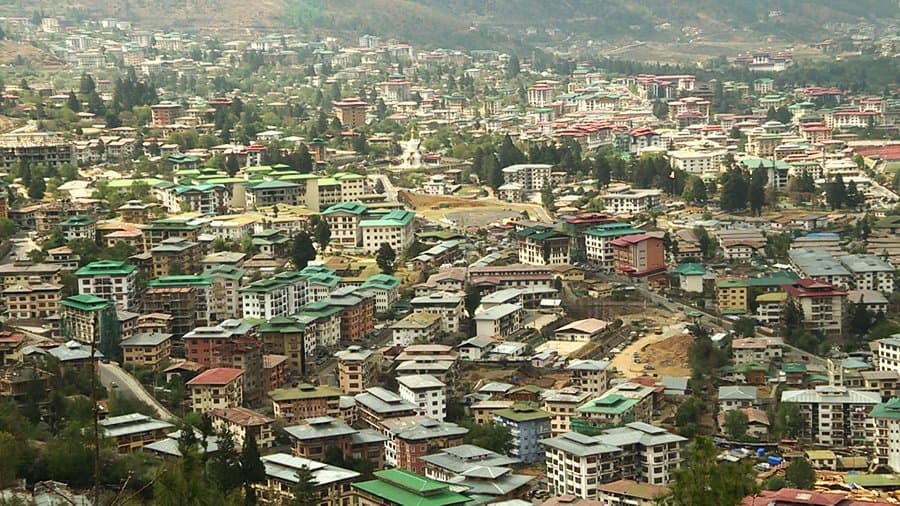
The Economic Divide Deepens in Bhutan 🌟
As Bhutan navigates the complexities of modern economic growth, a troubling reality surfaces: the working poor are being pushed to the brink. The combination of low wages and a rapidly escalating cost of living has trapped many in a cycle of financial struggle. This article delves into the systemic issues that perpetuate this divide and explores potential pathways for change.
Understanding the Economic Landscape 📈
Bhutan, a nation celebrated for its Gross National Happiness index, is facing a paradox. Economic growth has not translated into improved living standards for its lower-income workers. Despite constitutional commitments to reduce inequality, policy inertia and market forces have created a widening chasm between the rich and the poor.
The February 2023 inflation rate in Bhutan stood at 5.61%, yet wages have not kept pace with this increase. Rent, a significant portion of monthly expenses, has soared, consuming much of the average worker's income. For instance, a security guard earning Nu 9,000 monthly finds his entire salary wiped out by rent and basic needs, leaving little room for savings or debt repayment.
The Plight of Low-Income Workers 🌍
Workers in sectors such as hospitality, retail, and manual labor are particularly vulnerable. They face long hours, poor working conditions, and minimal pay. A salesgirl, working 12-hour shifts with only one day off per week, earns just Nu 10,000 monthly, highlighting the challenges faced by many in similar roles.
Gender Disparity in the Workforce 🌸
The labor market report reveals that women are disproportionately represented in low-paying sectors like arts, accommodation, and food services, making up 61% of the workforce. In contrast, men are more prevalent in higher-paying sectors such as energy and construction. This gender disparity exacerbates the financial vulnerability of women, who often bear the brunt of economic hardships.
Policy and Market Forces: A Struggle for Change ⚖️
Despite various reports highlighting these issues, concrete policy actions remain limited. The Labour and Employment Act of Bhutan 2007 offers some protections, such as mandatory written contracts and overtime pay. However, it falls short in addressing the needs of those in small or informal workplaces where formal representation is scarce.
International Comparisons 🌐
Globally, countries like Oman, Belgium, and France have implemented mechanisms such as automatic wage indexation and mandatory wage negotiations to protect workers. Bhutan could consider similar strategies to ensure that wage growth aligns with inflation and cost of living increases.
The Path Forward: Solutions and Hope 🌟
To address these challenges, Bhutan could explore several avenues:
- Policy Reform: Implementing policies that mandate annual wage increases tied to inflation could provide immediate relief.
- Invest in Education and Skills Development: Encouraging sectors to invest in employee training can enhance career prospects and upward mobility.
- Improve Housing Policies: Revising rental laws to balance tenant and landlord rights could alleviate housing pressures.
Conclusion: A Call to Action 🚀
Bhutan stands at a crossroads. The economic challenges faced by the working poor require urgent attention from policymakers, businesses, and society as a whole. By addressing these systemic issues, Bhutan can ensure a more equitable future for all its citizens, keeping true to its values of happiness and well-being.
As Bhutan continues its journey of development, the hope is that the voices of those struggling will be heard, leading to meaningful change and a brighter future.
You May Also Like
Economy
Bhutan's Bold Vision: Two USD 50M Enterprises by 2030
September 27, 2026
Economy
Mega Dry Port in Pasakha: Bhutan's Trade Revolution
September 25, 2026
Economy
Fixed Deposit Tax Withholding: What You Need to Know
September 13, 2026
Economy
DRC's QR Payment Innovation: Tracking Business Income
September 2, 2026