Category:
EconomyBhutan's Fuel Subsidy: Economic Impact and Future
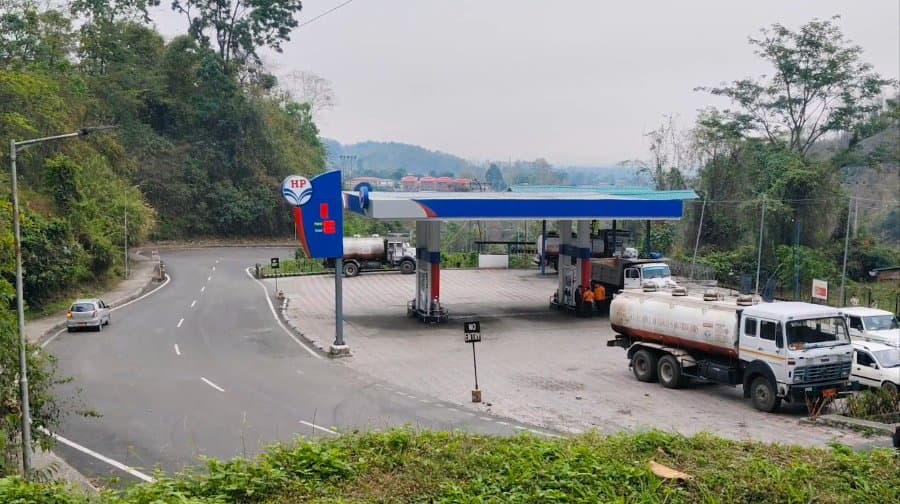
In an era where fuel prices are soaring globally, Bhutan faces a significant economic challenge. The government has stepped in with a bold decision to subsidize fuel, a move expected to cost the state approximately Nu 1.5 billion every month. This decision, while aimed at cushioning the economy and protecting consumers, carries substantial implications for Bhutan's fiscal landscape.
The Economics of Fuel Subsidies
Fuel subsidies have become a critical tool for mitigating the immediate impacts of rising global oil prices. As of early April 2026, crude oil prices remain high, with WTI crude trading at around USD 111.54 per barrel. The Bhutanese government, under the National Fuel Price Smoothening Framework (NFPSF), has intervened to shield the economy from these volatile global trends.
Historical Context and Current Prices
Historically, Bhutan has witnessed fluctuating fuel prices. The highest petrol price recorded was Nu 100 per litre in May 2022, while diesel peaked at Nu 120 per litre in July 2022. Currently, petrol is priced at Nu 114.31 per litre and diesel at Nu 174.13 per litre. With subsidies, these prices are significantly reduced, providing much-needed relief to consumers.
Impact on the Bhutanese Economy
The NFPSF has been instrumental in controlling inflation. Without this intervention, inflation could have surged by 7.5 percent. Instead, it has been contained to less than 0.5 percent. This moderation is crucial for maintaining economic stability and protecting household incomes.
Economic Growth and Stability
Without subsidies, Bhutan's GDP growth in 2026 was projected to decline to -3.8 percent. However, with the NFPSF in place, growth is now forecasted at 5.5 percent, slightly below the previous baseline of 6.86 percent. The framework has also stabilized investments, minimizing potential declines.
Government Strategies and Future Outlook
Sustaining the fuel subsidy involves strategic fiscal planning. The government is exploring various measures, such as reprioritizing public expenditure and rationalizing spending. Additionally, fuel prices and subsidies are reviewed fortnightly to align with global trends.
Innovative Measures and Contingencies
In response to rising costs, the government has initiated policies like "walk-to-work" and "remote work" to reduce fuel consumption. There's also a push towards promoting electric vehicles and virtual meetings, aiming to create a more sustainable and energy-efficient future.
Challenges and Recommendations
The sustainability of these subsidies is a concern. The opposition party suggests shifting from blanket subsidies to targeted support, focusing on long-term energy security. Recommendations include enhancing public transport and accelerating the transition to electric vehicles.
Conclusion
Bhutan's approach to fuel subsidies highlights the delicate balance between immediate economic relief and long-term fiscal sustainability. As the government navigates these challenges, the emphasis remains on adaptive strategies and innovative solutions to ensure economic stability. The future will depend on how well these measures are implemented and adjusted to meet evolving circumstances.
You May Also Like
Economy
Bhutan's Bold Vision: Two USD 50M Enterprises by 2030
September 27, 2026
Economy
Mega Dry Port in Pasakha: Bhutan's Trade Revolution
September 25, 2026

Economy
Fixed Deposit Tax Withholding: What You Need to Know
September 13, 2026
Economy
DRC's QR Payment Innovation: Tracking Business Income
September 2, 2026