Category:
NewsBhutan's Birth Rate: A Crisis Unveiled 🌍
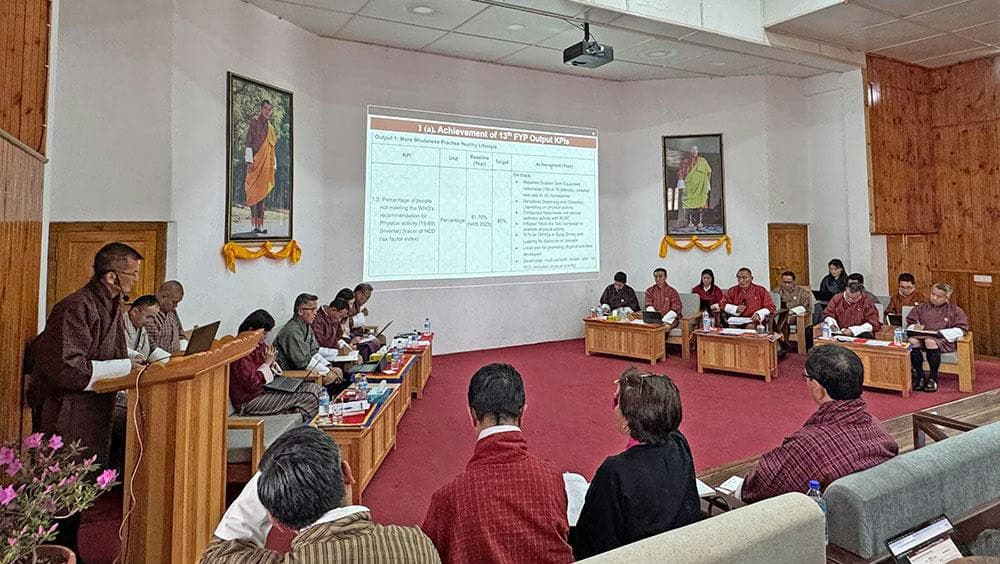
In a rapidly changing demographic landscape, Bhutan faces a significant challenge that Prime Minister Tshering Tobgay has labeled a "national crisis". The country's birth rate has been on a steep decline, with a 62.9% drop over the last 35 years. This trend, if not addressed, could lead to severe socio-economic repercussions.
Understanding Bhutan's Demographic Shift 📊
The birth rate in Bhutan has decreased from 15,580 in 1990 to an estimated 5,784 by 2025. Such a drastic reduction raises concerns about the future workforce and the sustainability of social protection systems. The decline is attributed to factors such as youth migration and low fertility rates, which are common in several countries grappling with similar issues.
Historical Context and Current Trends
In the 1990s, Bhutan's population growth was robust, but a shift towards smaller family ideals has contributed to the current decline. The slogan "small family, happy family" from the early 2000s, while aimed at ensuring economic stability, has had unintended long-term effects on population growth.
The Economic Impact of a Shrinking Population 💼
A declining birth rate poses a threat not only to economic stability but also to Bhutan's ability to support its aging population. With fewer young people entering the workforce, the burden on social services and healthcare systems is increasing.
Migration and Its Effects
The trend of youth migration, particularly to countries like Australia, exacerbates the issue. With over 37,000 Bhutanese residing in Australia and only 307 children born there in one year, the demographic impact is significant.
Government and Health Sector Response 🚑
The Bhutanese government, under the Ministry of Health's 13th Plan, has been proactive in addressing these challenges. Efforts include improving health service delivery, enhancing preventive health programs, and increasing government health spending to 2.94% of GDP.
Health Sector Achievements
- Elimination of major diseases like measles and polio
- Implementation of the electronic Patient Information System in all health facilities
- Construction of major healthcare infrastructure like the Mother and Child Hospital in Mongar
Challenges and Future Directions 📈
Despite these efforts, challenges remain. Only 52.3% of the population has access to safely managed drinking water, and child lead exposure is an emerging concern. To tackle these issues, Bhutan must explore alternative domestic financing for health programs and continue to innovate in healthcare delivery.
Conclusion: A Call for National Effort 🌟
The falling birth rate in Bhutan is not just a statistic but a call to action. It necessitates a multi-sectoral approach involving government, civil society, and international partners. The future of Bhutan depends on proactive measures to stabilize population growth while ensuring economic and social resilience.
Bhutan's journey is a reminder of the delicate balance between development and demographic sustainability. As the nation navigates these waters, the focus must remain on creating a future where every child born is part of a thriving, sustainable community.
You May Also Like
News
Women Entrepreneurs Master AI and Digital Tools in Phuentsholing
September 1, 2026
News
Can Samtse Keep Up With Its Growing Workforce?
August 29, 2026
News
Nepal Flood Exposes Critical Gaps in Bhutan's Early Warning Systems
August 29, 2026
News
High Court Overturns Acquittal: Doctor Sentenced to 10 Years for Child Sexual Abuse
August 29, 2026