Category:
EnvironmentBhutan Strengthens GLOF Preparedness Amid Rising Climate Disasters
Bhutan faces an escalating environmental crisis as glacial lake outburst floods (GLOFs) threaten communities, infrastructure, and livelihoods across the nation. 🌍 The government is responding with urgent measures to enhance disaster preparedness and mitigate the devastating impacts of these climate-induced catastrophes that have already claimed significant economic and social costs.
Understanding the GLOF Crisis in Bhutan
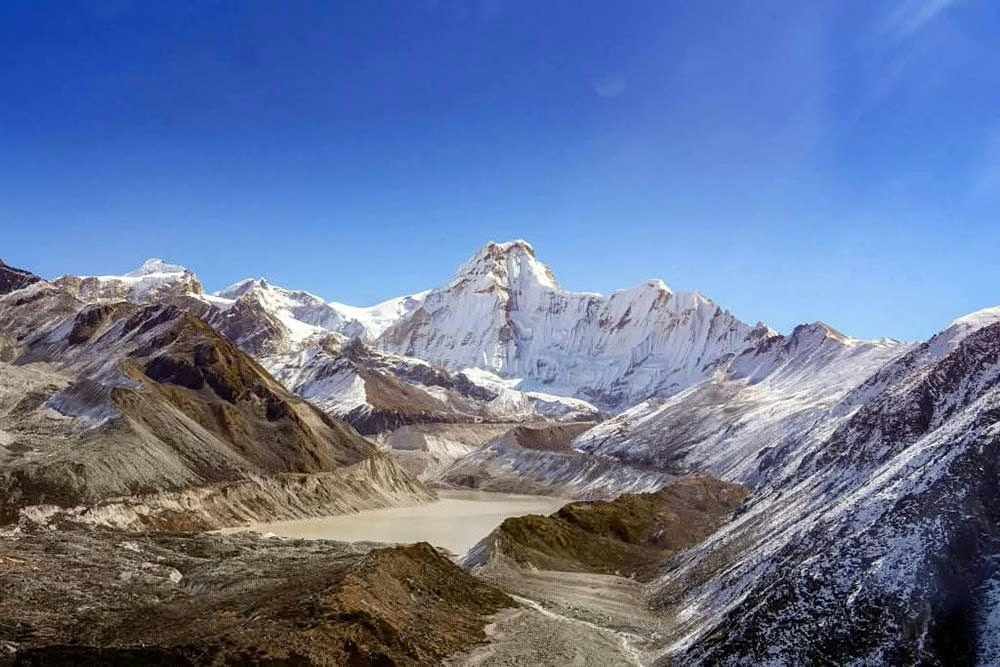
Glacial lake outburst floods represent one of the most destructive natural hazards in mountainous regions, and Bhutan's unique geography makes it particularly vulnerable. These catastrophic events occur when glacial lakes—formed by melting glaciers—breach their natural barriers, releasing massive volumes of water that cascade down valleys with tremendous force.
The situation has become increasingly urgent. Between 2021 and 2026, Bhutan's glacial lakes increased by 9.4 percent, while total glacier area decreased by 9.16 percent compared to 2018 data. This alarming trend directly correlates with accelerating climate change affecting the Himalayan region.
Currently, Bhutan has 620 mapped glacial lakes, of which 17 are classified as potentially dangerous. These hazardous lakes are distributed across critical river basins: nine in the Pho Chhu basin, two in the Mo Chhu basin, three in the Mangde Chhu basin, two in the Chamkhar Chhu basin, and one in the Kuri Chhu basin. 🗺️
The October 2024 Shingtaphu Tsho Disaster: A Wake-Up Call
On October 29, a catastrophic GLOF from Shingtaphu Tsho in Laya, Gasa, unleashed destruction along the Mo Chhu basin, affecting multiple communities and critical infrastructure. The disaster highlighted both the vulnerability of Bhutanese settlements and the importance of rapid response systems.
The outburst occurred when water from an upper glacial lake cascaded into a lower lake, triggering the sudden release. The lower lake subsequently drained by 81 percent, while the upper lake continues expanding due to ongoing glacier melting—a concerning indicator of future risks.
The damage was extensive and multifaceted:
- Infrastructure damage: Four major roads were severely damaged in Laya
- Livestock losses: Numerous yaks and horses were killed
- Agricultural impact: Significant pastureland destruction
- Service disruptions: Electricity and telecommunications were temporarily severed, isolating communities
- Education disruption: Students in Gasa were unable to travel for examinations and had to sit papers at their Laya school instead
In Punakha, the downstream effects were equally severe. A solar project worth Nu 40 million was destroyed, two bridges were washed away, approximately 10 acres of wetlands were damaged, and seven cattle perished. Total infrastructure damage was estimated at Nu 500 million, with Nu 300 million in restoration work still pending. 💔
Beyond visible infrastructure, the disaster impacted a hydropower project with losses valued at Nu 2 billion, underscoring the financial implications for Bhutan's critical energy infrastructure.
Government's Multi-Faceted Response Strategy
Recognizing the severity of the threat, the government has implemented comprehensive GLOF preparedness measures. These initiatives operate within the framework of the Disaster Management Act of 2013 and involve multiple governmental agencies working in coordinated fashion.
Institutional Framework and Governance
The government has strengthened its disaster management infrastructure through several key mechanisms:
Disaster Management Authority: Headed by the Prime Minister and comprising experts from hydrology, environment, and climate sectors, this body provides strategic oversight of disaster preparedness initiatives.
National Emergency Operation Centre: This facility coordinates response efforts during major disasters, working with specialized committees to restore essential services including roads, electricity, and telecommunications.
National Committee for Critical Glacial Lakes: Newly established to provide focused attention on high-risk glacial lakes requiring immediate intervention and monitoring.
Royal Bhutan Army-Led Coordination Office: An office led by the Royal Bhutan Army has been established specifically to coordinate interventions at vulnerable glacial lakes, ensuring military resources and expertise support civilian disaster management efforts.
Early Warning System Expansion 🚨
The recent disaster revealed critical gaps in early warning infrastructure. Two early warning systems failed during the Shingtaphu Tsho outburst, yet the heroic actions of three residents—Jigme, Dhendup, and Wangyel—who alerted villagers and the dzongkhag administration prevented loss of life. Their phone calls and rapid communication demonstrated the value of human-centered warning systems.
Following the Prime Minister's directive, additional early warning systems are being installed at other critical glacial lakes. These systems represent crucial investments in community safety and rapid response capabilities.
Priority Focus: Thorthormi Tsho
Thorthormi Tsho has been identified as the initial priority for intensive monitoring and intervention. Experts are being trained and deployed to assess and address potential risks at this critical glacial lake, establishing protocols and procedures that will inform approaches at other vulnerable sites.
The Scale of Potential Exposure
Modeling conducted by the National Centre for Hydrology and Meteorology (NCHM) reveals the staggering potential impact of future GLOF events. More than 11,000 people, 2,500 buildings, 250 kilometers of roads, and 400 bridges could be exposed to potential GLOF inundation. 📊
While these figures represent exposure estimates rather than predicted losses, they underscore the urgent necessity of preparedness investments.
Climate Change and Escalating Disaster Costs
The economic burden of recurring climate-related disasters is intensifying dramatically. According to a United Nations Development Programme assessment published in February 2025, the annual cost of restoring roads and bridges damaged by monsoon-related disasters has surged:
- 2021-2022 financial year: Nu 142.1 million
- 2024-2025 financial year: Nu 300.9 million
This represents more than a 100 percent increase in just three years, reflecting the accelerating impact of climate change on Bhutanese infrastructure.
Projections for the coming decade are sobering. Flood-related economic losses could reach four percent of Bhutan's Gross Domestic Product by the 2030s. The number of people affected annually by flooding could increase from over 7,700 to more than 10,000 by 2030—a 30 percent rise in human impact. 📈
Infrastructure Resilience and Re-Engineering Approaches
Government officials recognize that traditional infrastructure development approaches are insufficient for Bhutan's mountainous terrain. A critical recommendation emphasizes re-engineering infrastructure to reduce recurring damage from landslides and floods.
This forward-thinking approach acknowledges that Bhutan's geography—while culturally and environmentally valuable—requires specialized engineering solutions that account for climate-related hazards. Infrastructure must be designed not merely to withstand current conditions but to adapt to increasingly severe climate impacts.
Broader Climate Disaster Context
GLOF preparedness exists within a larger framework of climate-induced disasters affecting Bhutan. The 2026 monsoon season triggered widespread flooding and landslides across numerous dzongkhags, including Samtse, Chhukha, Haa, Dagana, Paro, Wangdue Phodrang, Bumthang, Tsirang, Zhemgang, and Phuentsholing.
This widespread impact demonstrates that climate-related hazards are not isolated events but systemic challenges requiring coordinated national responses. 🌧️
Looking Forward: Challenges and Opportunities
Bhutan's GLOF preparedness initiatives represent a sophisticated, multi-layered response to an escalating environmental threat. The combination of institutional reforms, technological investments in early warning systems, and infrastructure re-engineering reflects serious governmental commitment to protecting citizens and economic assets.
However, challenges remain substantial. The continued expansion of glacial lakes, accelerating glacier melt, and projected increases in disaster frequency and severity suggest that preparedness investments must continue expanding. International cooperation and climate mitigation efforts also remain essential for addressing root causes.
The heroic actions of community members during the Shingtaphu Tsho disaster remind us that effective disaster management combines technological systems, governmental coordination, and community vigilance. As Bhutan navigates an increasingly uncertain climate future, these integrated approaches offer the best hope for protecting vulnerable populations and preserving critical infrastructure. 💪
The government's proactive stance on GLOF preparedness demonstrates recognition that climate adaptation is not optional but essential for national security, economic stability, and citizen welfare.
You May Also Like
Environment
EcoVation's Nu 7.56M Rural Waste Project Transforms Trashiyangtse
November 25, 2026
Environment
Water Data Gaps Expose El Niño Vulnerability
November 25, 2026
Environment
COP31 Climate Summit Collapses: Fossil Fuels and Finance Deadlock
November 25, 2026
Environment
Bhutan's 17 Glacial Lakes: Government Strategy to Prevent Catastrophic Floods
November 21, 2026