Category:
NewsBhutan Pioneers UNDP Care Tool in Asia-Pacific
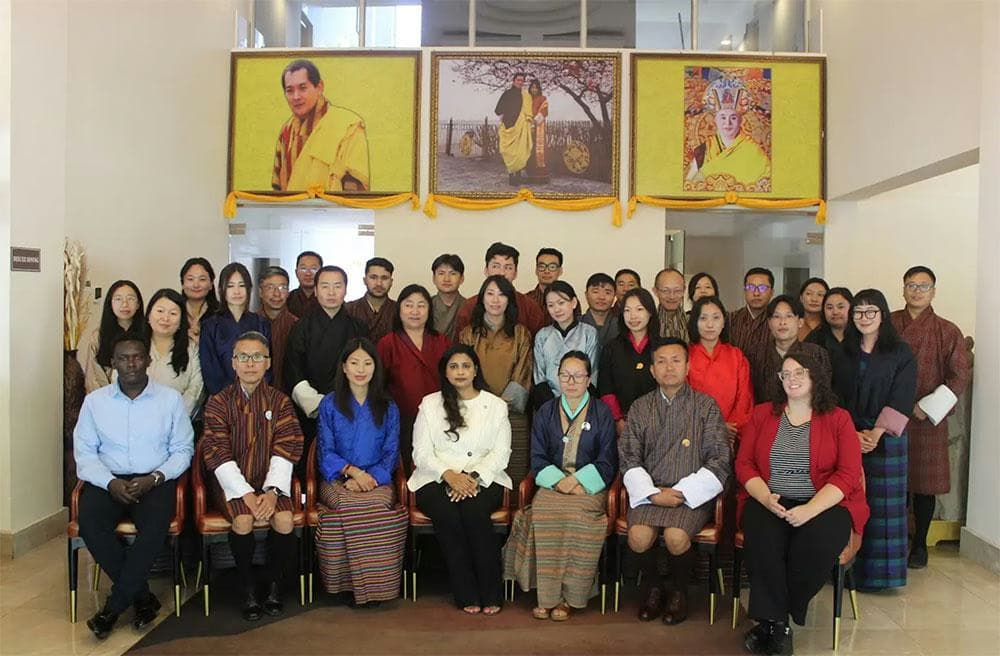
Bhutan's Bold Step in Care Innovation 🌍
In a groundbreaking move, Bhutan has taken the lead in the Asia-Pacific region by launching the pilot phase of the Care Georeferencing Tool (CGT). Developed by the United Nations Development Programme (UNDP), this innovative platform is designed to revolutionize how governments understand and address the diverse care needs within communities.
What is the Care Georeferencing Tool? 🗺️
Often described as a "Google Maps for care services," the CGT leverages geospatial analysis to map both the demand and supply of care services. By providing a visual representation of where care services are needed and where they are available, it highlights areas known as "care deserts," where demand outstrips supply.
- Identifies care deserts
- Maps populations in need, such as children and the elderly
- Aligns available services like childcare and clinics
This tool is particularly significant in Bhutan, where traditional gender roles have placed a disproportionate share of unpaid care work on women. On average, women and girls in Bhutan spend 2.5 times more on unpaid care work than their male counterparts, impacting their economic participation and leadership opportunities.
The Significance of the Pilot in Thimphu 🏞️
The pilot project is being rolled out in Thimphu Thromde, Bhutan's bustling capital. This strategic choice will allow the government to gather valuable insights and lessons that can be applied to expand the project nationwide. The findings from this pilot are expected to shape future policies, ensuring a more equitable distribution of care services across Bhutan.
Moreover, the initiative aligns with Bhutan's broader goals of advancing gender equality and fostering inclusive development. By recognizing unpaid care work as a critical development issue, the CGT supports policies that are more responsive to the needs of families and communities.
Global Context and Implications 🌏
Globally, the demand for care services is on the rise due to an ageing population, increased migration, and greater female workforce participation. The CGT is timely, offering a data-driven approach to care planning that moves beyond assumptions to evidence-based decision-making.
This approach is crucial in a world where climate change exacerbates vulnerabilities, causing disruptions to care systems through natural disasters and other crises. By integrating data from various sources, including satellite imagery and digital data collection, the CGT provides a comprehensive view of care systems, enabling better coordination across sectors such as health, education, and disaster risk management.
Bhutan's Commitment to Data-Driven Policy 📊
With the introduction of the CGT, Bhutan is not only addressing immediate care needs but also demonstrating a commitment to long-term, data-driven policy-making. This initiative is expected to pave the way for more responsive and resilient care systems that can adapt to changing demographic and environmental conditions.
In conclusion, Bhutan's pilot of the Care Georeferencing Tool marks a significant step towards achieving more equitable and efficient care services across the nation. By employing this innovative approach, Bhutan is not only setting an example for the Asia-Pacific region but also contributing to a global shift towards data-driven care solutions.
Looking Ahead 🔮
As Bhutan continues to implement the CGT, the country is poised to become a leader in care innovation. The successful rollout of the pilot in Thimphu will likely inspire other nations to adopt similar tools, fostering a new era of care systems that are more inclusive, equitable, and effective.
Stay tuned as this pioneering project unfolds, potentially reshaping the future of care services in Bhutan and beyond.
You May Also Like
News
Women Entrepreneurs Master AI and Digital Tools in Phuentsholing
September 1, 2026

News
Can Samtse Keep Up With Its Growing Workforce?
August 29, 2026

News
Nepal Flood Exposes Critical Gaps in Bhutan's Early Warning Systems
August 29, 2026
News
High Court Overturns Acquittal: Doctor Sentenced to 10 Years for Child Sexual Abuse
August 29, 2026