Category:
NewsBhutan Boosts Biofertiliser and Biopesticide Production
Bhutan's Green Revolution 🌿
In a strategic move to bolster sustainable agriculture, Bhutan is ramping up the production of biofertilisers and biopesticides. This initiative is part of a broader effort to reduce dependency on imported synthetic agrochemicals, which cost the nation over Nu 100 million annually. With volumes of fertiliser imports ranging between 2,800 and 3,000 metric tonnes, the shift towards local production is both an economic and environmental imperative.
A Sustainable Vision for Agriculture 🍃
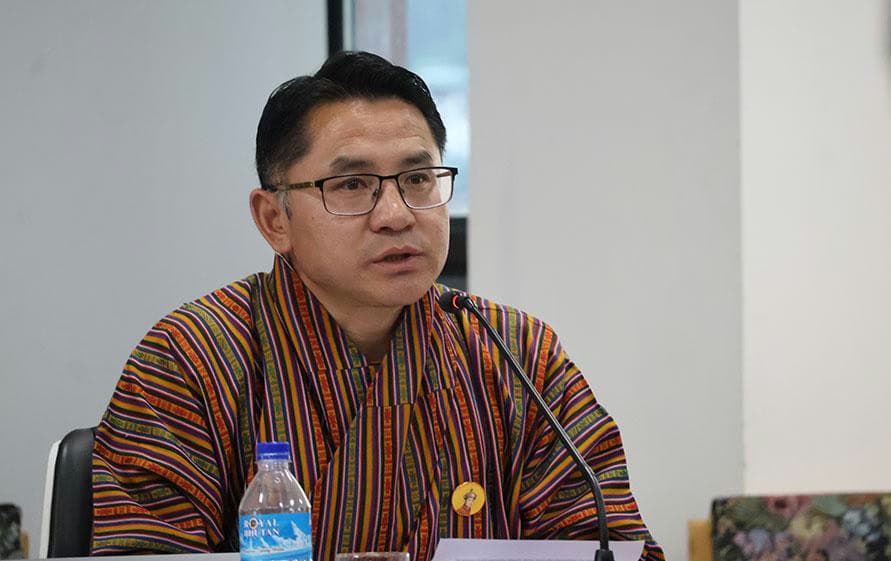
The Bhutan Agrifood Sector Strategy 2034 is at the heart of this transformation, aiming to fortify agricultural sustainability by minimizing reliance on synthetic inputs. Agriculture and Livestock Minister Younten Phuntsho emphasized the government's commitment to promoting local production through policy incentives, cost-sharing mechanisms, and private sector collaboration.
“Bhutan uses significantly fewer fertilisers and pesticides compared to other nations,” said Lyonpo. “While other countries use around 62 kg of chemical fertiliser per acre, Bhutan uses only about 4 kg.” This highlights Bhutan's strong foundation in organic farming, further strengthened by traditional practices and an expanding ecosystem of organic input producers.
Challenges and Opportunities 🔍
Despite the promising outlook, Bhutan faces challenges such as weak market linkages, high transport costs, and limited feedstock availability. Currently, the country's 14 biofertiliser production enterprises operate at only 27% capacity. To address these issues, the National Seed Centre has partnered with India’s Brahmaputra Valley Fertilizer Corporation Limited to import 5,000 metric tonnes of fertiliser annually.
The government has also enhanced policy support through the Foreign Direct Investment Rules and Regulations 2025, allowing up to 74% foreign investment in biofertiliser and biopesticide industries. The Cost Sharing Mechanism 2025 further supports the establishment of production facilities, providing full material cost coverage and 50% supply support.
Balancing Yield and Sustainability ⚖️
A significant hurdle remains in balancing organic farming's lower yields with conventional methods. Organic systems currently produce 18 to 45% lower yields across agro-ecological zones. However, Bhutan's commitment to sustainability is unwavering, with trial testing of liquid biopesticides underway.
Minister Phuntsho reassures that despite geopolitical risks, fertiliser supply remains stable, supported by advance procurement and strategic stockpiles in Phuentsholing. Current reserves include 600 metric tonnes of urea, 400 metric tonnes of suphala, and 100 metric tonnes of single super phosphate.
The Road Ahead 🌾
The push for biofertiliser and biopesticide production is not just an agricultural strategy but a vision for a sustainable future. By strengthening domestic production and utilization of biological inputs, Bhutan aims to enhance food security, environmental sustainability, and farmer resilience.
The journey ahead involves overcoming challenges and seizing opportunities to maintain Bhutan's reputation as a leader in sustainable agriculture. As the nation navigates this path, the world watches Bhutan's green revolution with great interest.
Key Takeaways
- Bhutan is increasing biofertiliser and biopesticide production to reduce reliance on imports.
- The Bhutan Agrifood Sector Strategy 2034 focuses on sustainability and organic farming.
- Challenges include low production capacity and high transport costs.
- Policy incentives aim to attract foreign investment and support local production.
- Despite lower yields, Bhutan is committed to sustainable agricultural practices.