Category:
OpinionBeyond Blame: Creative Bullying Solutions
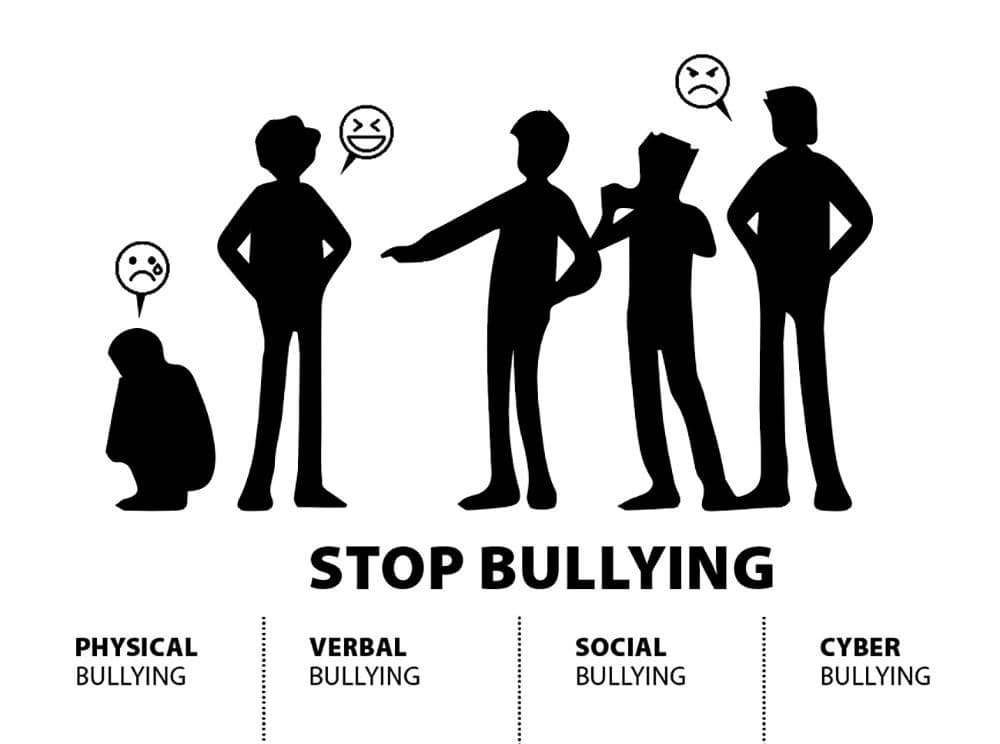
The recent circulation of bullying videos involving students in Bhutan has shocked many and sparked a wave of public emotion. Social media was awash with comments condemning the bully, criticizing schools, and questioning parental roles. While these reactions are understandable, perhaps it is time to explore a more nuanced, creative response to bullying.
Unpacking the Roots of Bullying 🌱
Bullying rarely occurs in isolation. It often reflects deeper societal issues such as unresolved emotions, lack of empathy, poor role models, and social pressures. Understanding these root causes is essential for preventing future incidents. Research shows that environments where aggression is normalized contribute to bullying behaviors. Thus, addressing bullying requires a systemic approach that looks beyond individual blame.
The Role of Education in Transformation 🎓
Education systems worldwide, including in Bhutan, typically focus on academic subjects while often neglecting emotional intelligence education. Yet, emotional challenges like anger, rejection, and peer pressure significantly impact students' lives.
Introducing periodic "Empathy Labs" in schools could allow students to experience situations from different perspectives: the bully, the victim, the bystander, the teacher, and the parent. Encouraging schools to celebrate students who demonstrate kindness and compassion, not just academic or athletic success, could foster a more inclusive environment.
Fostering Empathy and Connection 🤝
Empathy and connection are fundamental to reducing bullying. Parents play a crucial role in modeling the behavior they wish to see in their children. The way parents handle disagreements, manage frustration, and practice kindness significantly influences their children's behavior. In Bhutan, Gross National Happiness emphasizes human wellbeing alongside economic progress. This philosophy can guide us in promoting emotional education in schools.
Community and Digital Responsibility 🌐
Social media amplifies both connection and cruelty. Thus, digital compassion and responsible online behavior must be integral parts of the anti-bullying conversation. Bhutan's spiritual teachings, grounded in mindfulness and compassion, provide a valuable framework for navigating the digital landscape.
Implementing Creative Solutions 🎨
Creative interventions in schools can be simple yet effective. Initiatives like "No One Eats Alone" days encourage students to foster new friendships. Student listening circles where adults actively listen to young people can also make a significant difference. These solutions are not expensive, but they require a willingness to innovate and prioritize emotional education.
The Path Forward 🚀
The recent incidents of bullying in Bhutan invite us to revisit our values and approaches. Are we focusing enough on nurturing the hearts of our children, not just their minds? By placing greater emphasis on empathy, emotional intelligence, and creativity, we can move beyond blame and foster a more compassionate society.
Ultimately, the goal is not merely to reduce the number of bullies but to cultivate a generation of empathetic and responsible citizens. This approach aligns with Bhutan's commitment to Gross National Happiness and offers a model for other nations to follow.