Category:
OpinionAre Professional Drivers Truly Professionals?
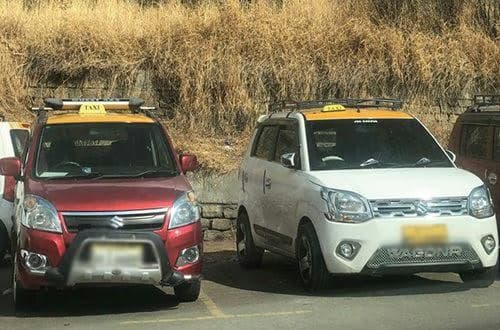
In Bhutan, the term 'professional driver' carries significant weight and responsibility. Yet, public perception often paints a different picture. 🚗 While licensed drivers are expected to uphold high standards, the reality on the roads often tells another story.
The Weight of Expectation 🏋️♂️
Professional drivers, including taxi drivers, bus operators, and government vehicle chauffeurs, are entrusted with the safety of countless passengers daily. The Bhutan Construction and Transport Authority sets stringent guidelines, but are these standards consistently met?
Common Violations and Public Frustration 😠
Despite regulations, issues like reckless driving, failure to signal, and inappropriate stops plague Bhutan's roads. Such actions not only endanger lives but also tarnish the reputation of what it means to be a 'professional' driver.
- Sudden Stops: Often occur in non-designated areas, creating hazards.
- Failure to Use Indicators: Leads to confusion and accidents.
- Unsafe Manoeuvres: Increase the risk for all road users.
The Role of Government Vehicle Drivers 🚓
A particular concern is the behavior of some government vehicle drivers. While certain privileges are granted to official vehicles, misuse of these advantages contributes to public frustration. The Royal Bhutan Police have made strides in areas like Gelephu Mindfulness City, demonstrating that effective enforcement can lead to improved road behavior.
The Professional License: A Badge of Responsibility 🎖️
Holding a professional driving license implies a commitment to road safety and discipline. It’s not merely about meeting qualification criteria; it's about embodying professionalism through safe and courteous driving.
Challenges Faced by Professional Drivers 🚧
The pressures of long working hours, traffic congestion, and passenger competition are undeniable. However, these challenges cannot excuse unsafe driving practices. Instead, drivers should channel these pressures into reinforcing safe driving habits.
Enforcement and Education: Keys to Safer Roads 🔑
The current state of traffic discipline highlights the need for robust enforcement and ongoing education. The Royal Bhutan Police's success in Gelephu should serve as a model for nationwide efforts.
- Zero Tolerance Policies: Should be strictly enforced to deter violations.
- Education Campaigns: Can raise awareness about safe driving practices.
Conclusion: Bridging the Gap 🔗
The journey from holding a professional license to truly embodying professionalism as a driver requires commitment from both the drivers and the authorities. By enforcing strict traffic laws and promoting a culture of safety, Bhutan can pave the way for safer roads, benefiting all.
As Bhutan continues to grow and evolve, so too should the professionalism of its drivers. The road ahead is not just about reaching a destination but about ensuring a safe and respectful journey for everyone involved.
You May Also Like
Opinion
5,000 Capsules vs. 21: How Numbers Shape Addiction Policy
October 24, 2026
Opinion
Empathy and Humility: The Foundation of Meaningful Public Service
August 8, 2026
Opinion
Understanding the Three Pillars of Democracy
August 5, 2026
Opinion
Forever Young: A Philosophical Look at Mortality
August 1, 2026