Category:
EducationAI Literacy Bridges Gap in Remote Schools
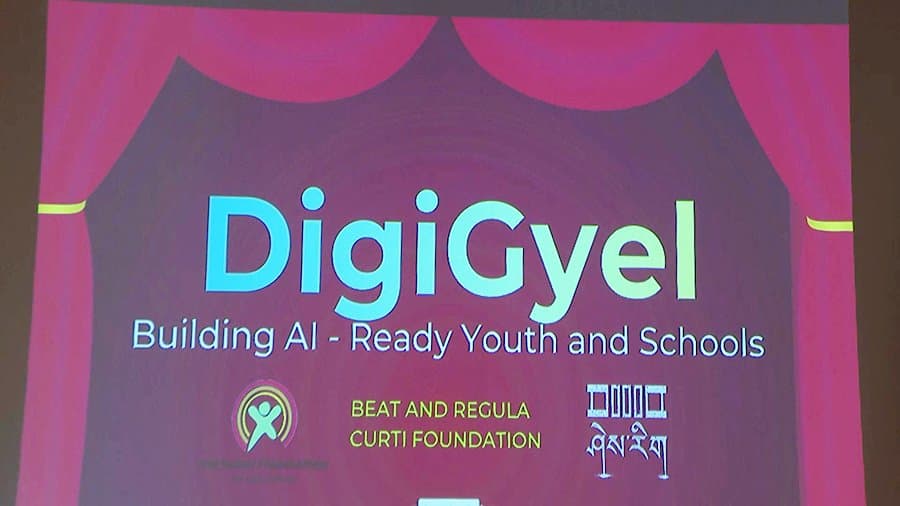
In a significant move to transform education and bridge the digital divide, Bhutan has launched the DigiGyel Project 🎓✨. This ambitious three-year initiative aims to introduce artificial intelligence (AI) literacy in 150 remote schools, impacting over 50,000 students and 300 teachers across the country.
The Genesis of DigiGyel Project
The DigiGyel Project, spearheaded by the Teachers of Bhutan Volunteers (VTOB), is a groundbreaking initiative funded by the Dariu Foundation, an international NGO based in Switzerland. The project was officially launched in Thimphu, with an aim to revolutionize the educational landscape by integrating AI into the curriculum 🌍.
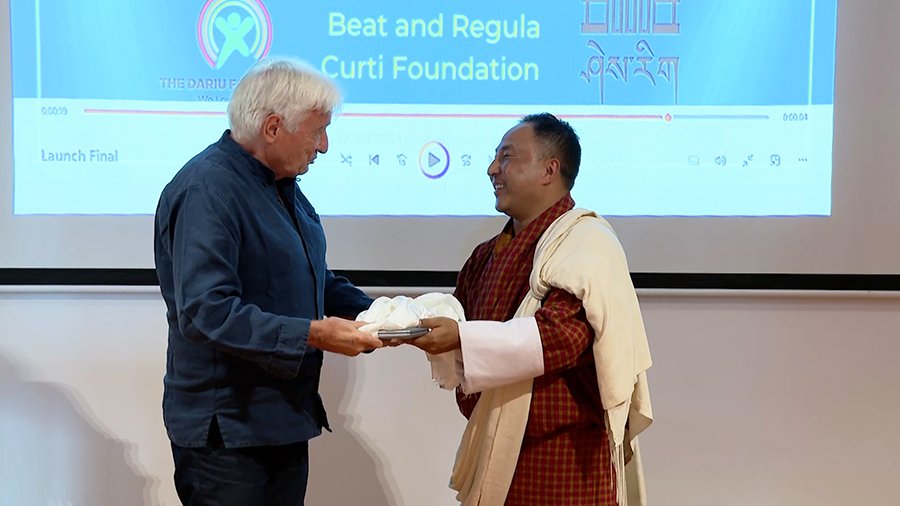
This project isn't just about technology; it's about equity and opportunity. By prioritizing 150 remote schools, the project seeks to close the gap between those who have access to digital tools and those who do not, ensuring that all students have the opportunity to thrive in a digital world.
Why AI Literacy Matters
AI is not just a buzzword—it's a transformative force reshaping industries and societies globally. According to Thomas Trub, the founder of the Dariu Foundation, "AI is developing rapidly and will have a strong influence on everyone". By equipping young Bhutanese with AI skills early on, the project aims to prepare them for a future where AI is ubiquitous.
Key Benefits of AI Education
- Enhanced Learning: AI tools can personalize learning experiences, catering to individual student needs.
- Critical Thinking: Understanding AI fosters analytical and problem-solving skills essential for the 21st-century workforce.
- Ethical Awareness: Training includes responsible and ethical use of AI, aligning with the Education Technology Framework.
Transforming the Educational Landscape
The DigiGyel Project is not just a supplement to the existing educational system; it represents a paradigm shift. Pemaa Tenzyin Namgyel, General Affairs Coordinator at VTOB, highlights that the project "will deviate from traditional educational practices". Students will no longer rely solely on teachers but will leverage AI to enhance their learning autonomously 📚.
Implementation and Training
The project has already commenced with the distribution of 260 laptops to the Ministry of Education and Skills Development, part of over 800 laptops planned for distribution. These devices are crucial tools in delivering AI education effectively.
Teachers are at the forefront of this transformation. Training programs will empower them to integrate AI tools into their teaching methods, ensuring that the technology is used responsibly and ethically 🔧.
The Bigger Picture: Bridging the Digital Divide
The digital divide remains a significant hurdle in achieving educational equity. By focusing efforts on remote schools, the DigiGyel Project aims to level the playing field, providing rural students with the same opportunities as their urban counterparts.
A Global Perspective
Globally, initiatives like the DigiGyel Project are vital. According to UNESCO, over 50% of students worldwide were affected by school closures during the COVID-19 pandemic, highlighting the importance of digital access and literacy 📊.
Looking Forward
The DigiGyel Project is a beacon of hope and progress. It not only equips Bhutanese youth with essential skills but also positions the country as a leader in innovative education solutions. As the project unfolds, it promises to offer valuable insights and potentially serve as a model for other nations seeking to bridge their own digital divides 🌐.
Key Takeaways
- AI Literacy: Essential for future readiness in a tech-driven world.
- Equity Focus: Prioritizing remote schools to bridge the digital gap.
- Transformative Potential: Shifting from traditional to tech-empowered education.
By fostering AI literacy, Bhutan is not just investing in technology; it's investing in the future of its children, ensuring they are well-prepared to navigate and succeed in an increasingly digital world.
You May Also Like

Education
Local Produce Connects Gongthung Farms and School
September 21, 2026
Education
Two Students Transform Library System Into Digital Solution
September 16, 2026
Education
Strengthening School Support for Students Unable to Afford Tuition
September 13, 2026
Education
Student Citizen Journalism: Breaking Silence on Bullying
September 12, 2026