Category:
NewsAgri-Livestock Sector's Progress and Challenges
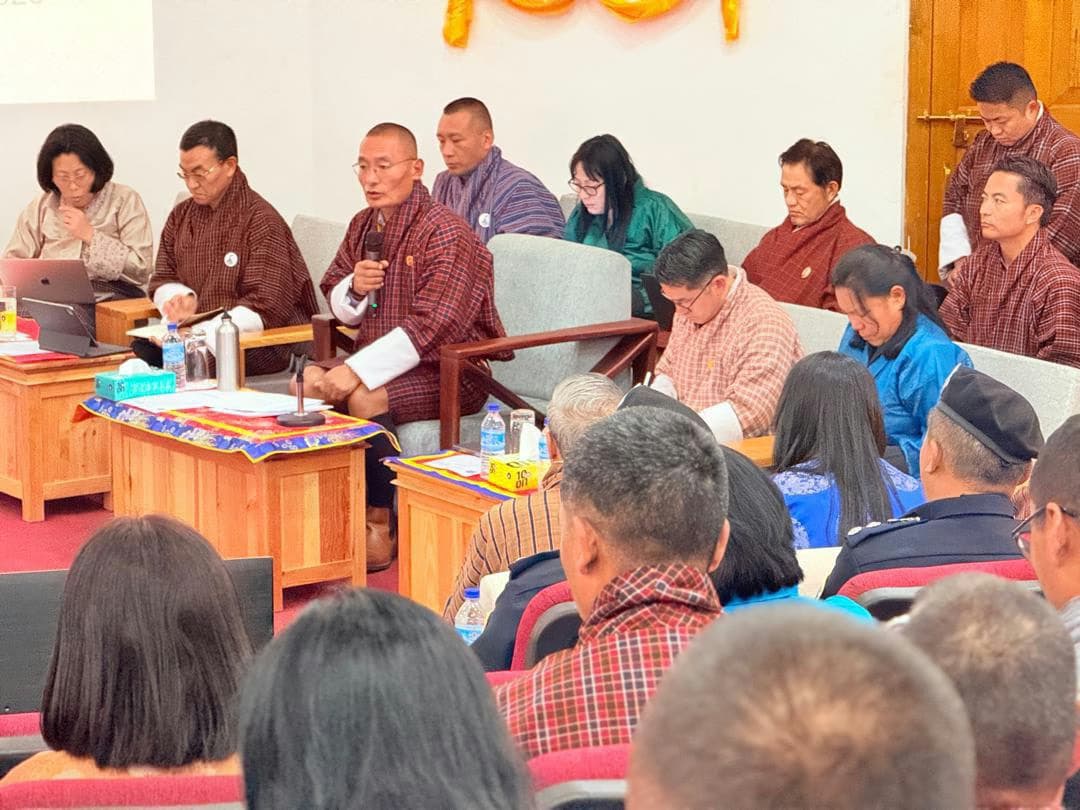
The agriculture and livestock sector in Bhutan has made significant strides in achieving its targets set under the 13th Plan, reaching 79.2% completion as of the financial year 2025–26. While this progress is commendable, funding gaps and delays continue to pose challenges. Let's delve into the details of this sector's journey, its achievements, and the hurdles that lie ahead.
Progress Amidst Challenges 🌾🐄
The Ministry of Agriculture and Livestock (MoAL) has been pivotal in driving the sector forward. Under the vision of Prime Minister Tshering Tobgay, the government has emphasized collaboration across ministries to achieve a ten-fold economic growth. This vision is aligned with the Gelephu Mindfulness City (GMC) initiative, aimed at enhancing national development.
Strategic Initiatives and Achievements 🚜
The government's strategy for the sector focuses on enhancing productivity and market diversification. By 2029, the aim is to increase the sector's GDP contribution from Nu 31 billion in 2023 to Nu 50 billion. To achieve this, five flagship initiatives have been launched:
- Large-scale Commercial Farming: Promoting high-value agriculture and livestock production.
- Resilience Building for Smallholder Farmers: Aiding farmers in adapting to climate change impacts.
- Export-Oriented High-Value Products: Expanding Bhutan's agricultural export markets.
- Strengthening Biodiversity and Ecosystem Services: Ensuring sustainable agricultural practices.
- Improving Business Environment: Through policies and insurance schemes.
These initiatives have led to the completion of major programs such as credit access, crop and livestock insurance, and biodiversity strategies, linking farmer groups with educational institutions.
Funding Gaps and Project Delays ⚠️
Despite these successes, the ministry faces significant funding challenges. Of 48 ongoing activities, only 14 are fully funded. Projects like climate-smart dairy farming and irrigation are progressing, but others, such as chain-link fencing and climate-resilient agriculture, lack complete financial backing. Additionally, projects like broiler and carp farming have yet to commence, despite partial funding.
Sectoral Performance Snapshot 📊
- Biodiversity: Achieved 100% of its targets, with significant progress in plant propagation and conservation efforts.
- Agriculture: Recorded strong performances in crops like organic asparagus and mushrooms, though some like quinoa and tomatoes lagged.
- Livestock: Mixed results, with pork production exceeding targets, while honey production fell short.
Infrastructure and Export Diversification 🌍
Infrastructure development is a crucial part of this sector's growth. Climate-smart irrigation schemes are steadily advancing, and chain-link fencing has seen substantial expansion. On the export front, Bhutan aims to broaden its market reach, with progress made through partnerships in Malaysia and Thailand.
Digital Transformation and Policy Development 📈
A significant aspect of the sector's evolution is the digital transformation underway. The digitization of farmer registration and livestock databases is enhancing operational efficiency. Additionally, policy frameworks like the National Food and Nutrition Policy 2023 and upcoming legislation are set to strengthen the agri-food ecosystem.
Conclusion: The Road Ahead 🚀
While Bhutan's agri-livestock sector has achieved commendable progress, addressing funding gaps and project delays is crucial for sustained growth. The government's commitment to strategic initiatives and infrastructure development, combined with digital transformation, positions the sector as a potential economic powerhouse by 2029. Stakeholders must continue to work collaboratively, ensuring the alignment of efforts with national goals and the vision of His Majesty the King.
Looking forward, the focus will remain on overcoming challenges related to climate change, animal diseases, and machinery needs, ensuring a robust and resilient agri-livestock sector.
You May Also Like
News
Women Entrepreneurs Master AI and Digital Tools in Phuentsholing
September 1, 2026
News
Can Samtse Keep Up With Its Growing Workforce?
August 29, 2026

News
Nepal Flood Exposes Critical Gaps in Bhutan's Early Warning Systems
August 29, 2026
News
High Court Overturns Acquittal: Doctor Sentenced to 10 Years for Child Sexual Abuse
August 29, 2026