Category:
EconomyThe Collapse of WOW Farm in Wobthang
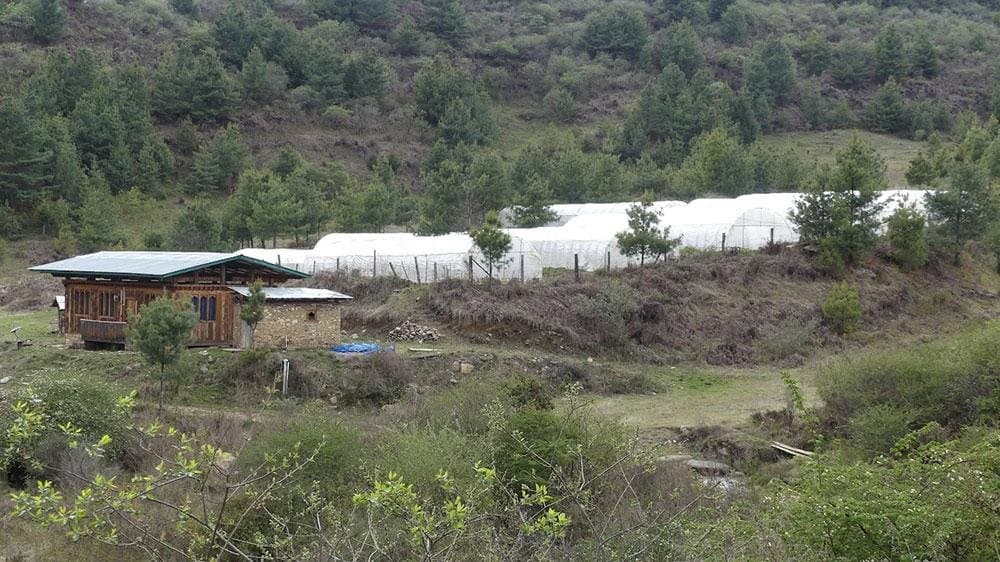
The ambitious Wobthang Organic Wonders (WOW) farm project in Tang Gewog, Bumthang, was once a symbol of hope and innovation for high-altitude agriculture in Bhutan. 🌱 Launched in May 2020 with a vision of transforming organic farming, it has since become a cautionary tale of ambition meeting harsh realities.
A Visionary Beginning
WOW farm was conceived as a pioneering model for organic production, employment generation, and agricultural innovation. With more than Nu 20 million invested, including significant contributions from the Prime Minister’s Office and international partners like the Food and Agriculture Organization (FAO), expectations were high. The 35-acre site was expected to be a beacon of sustainable agriculture.
The Reality of Challenges
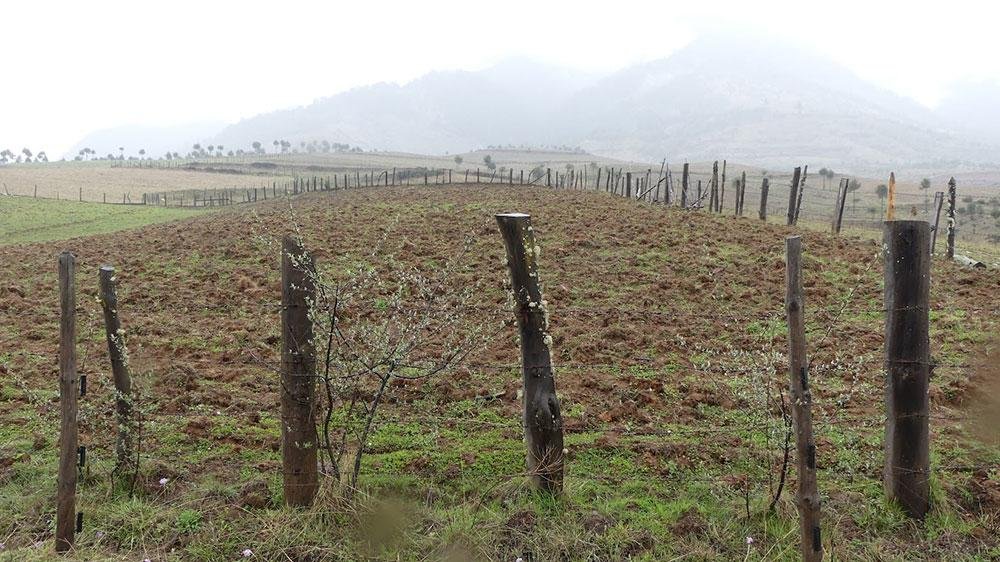
Despite the initial optimism, the farm today lies idle. Thick bushes engulf the land, broken fences and rusting machinery tell a story of neglect. Of the nine greenhouses constructed, only three are occasionally used, but not for their intended purposes. The challenges faced were numerous:
- Wildlife Intrusion: Herds of wild boars frequently ravaged the fields, making cultivation nearly impossible.
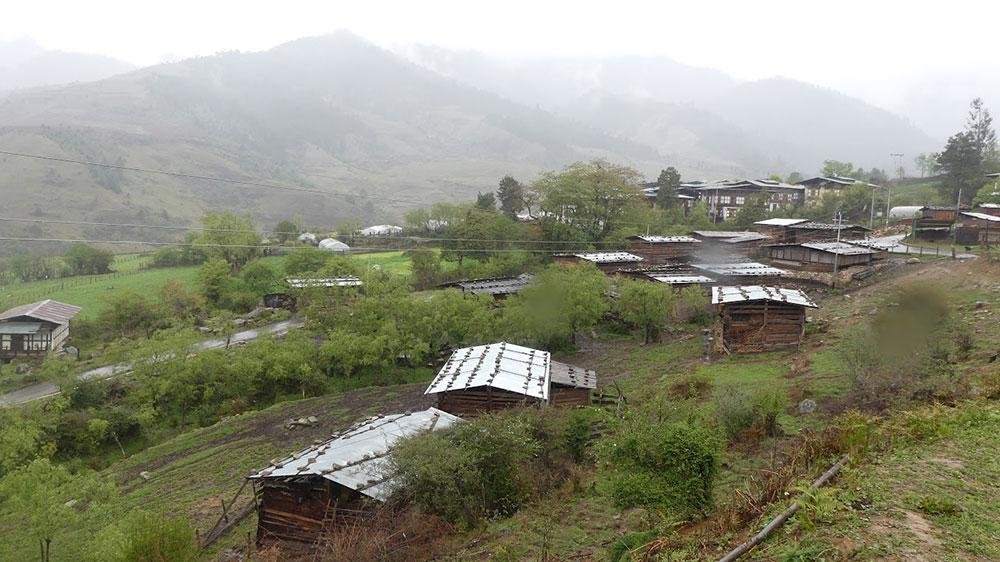
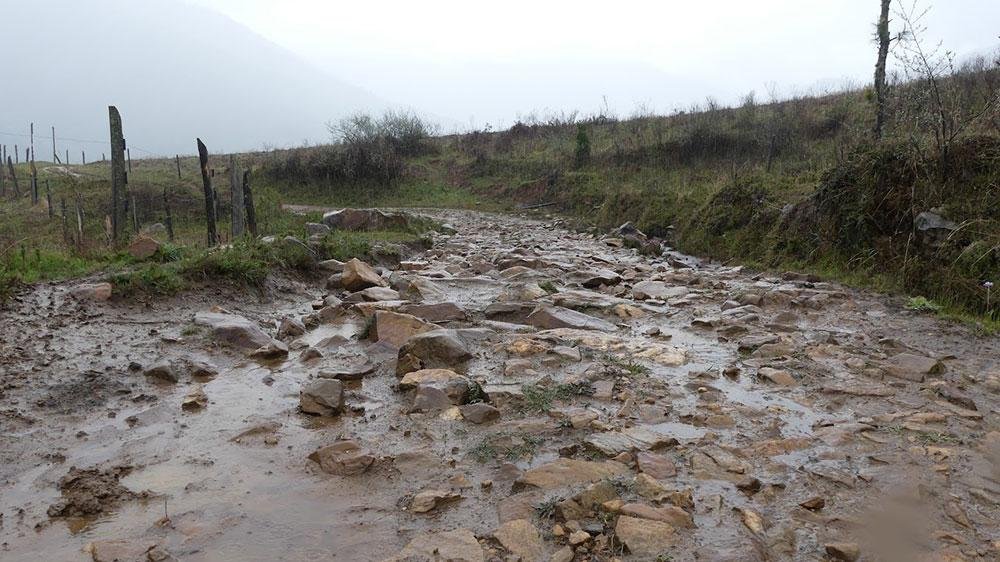
- Logistical Constraints: Located 23 kilometers from Bumthang’s main commercial center, the farm's remote setting posed significant transportation challenges, especially during the monsoon.
- Labour Shortages: Rural-urban migration led to a severe lack of permanent workforce, relying instead on temporary student workers.
Economic and Environmental Insights
Economically, the WOW farm has not delivered on its promises. Without reliable transport and market access, production value diminished. Environmentally, the colder, drier climate with acidic soils was unsuitable for many intended crops, including the proposed high-altitude apple varieties.
An Attempted Shift to Apple Cultivation 🍎
In April 2024, Prime Minister Tshering Tobgay suggested a pivot towards apple cultivation using varieties from Nepal’s Mustang region. However, technical assessments found the area's conditions unsuitable for viable apple production. The climate and soil did not support the growth of productive apple trees.
Community and Government Response
The local community, alongside government officials, has expressed concerns over the farm's future. The government considered transforming the farm into a state enterprise or leasing it to private investors, but without addressing the fundamental issues of road access, wildlife intrusion, and production costs, these solutions risk repeating past failures.
Lessons Learned and the Way Forward
The collapse of the WOW farm has highlighted critical lessons:
- Comprehensive Planning: Understanding local environmental and logistical challenges is crucial before initiating large-scale projects.
- Sustainable Practices: Future projects must incorporate sustainable practices that consider wildlife and environmental constraints.
- Community Engagement: Active involvement of local communities in planning and execution can ensure better alignment with local needs and conditions.
Conclusion
The WOW farm's story is a stark reminder of the challenges in agricultural innovation at high altitudes. For Wobthang and similar regions, the path forward will require collaborative efforts, innovative solutions, and a commitment to addressing fundamental barriers. Only then can ambitious projects like WOW truly succeed and contribute to Bhutan’s agricultural development. 🌟
You May Also Like
Economy
Bhutan's Bold Vision: Two USD 50M Enterprises by 2030
September 27, 2026
Economy
Mega Dry Port in Pasakha: Bhutan's Trade Revolution
September 25, 2026
Economy
Fixed Deposit Tax Withholding: What You Need to Know
September 13, 2026
Economy
DRC's QR Payment Innovation: Tracking Business Income
September 2, 2026