Category:
NewsStorm Wreaks Havoc in Mongar: 42 Households Impacted
A Stormy Night in Mongar
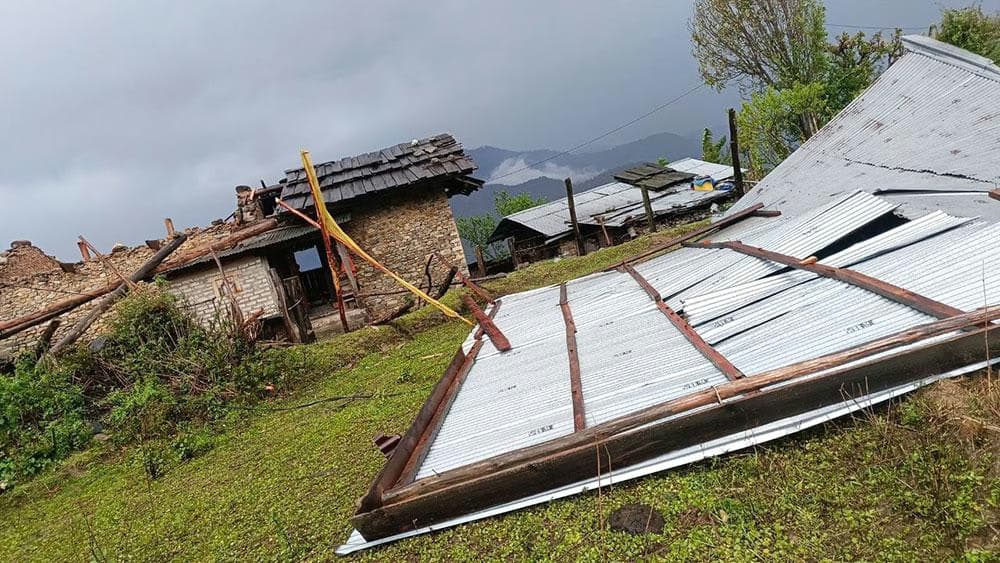
On April 22, Mongar was battered by a severe storm that left 42 households across eight gewogs grappling with the aftermath. This natural calamity, characterized by powerful winds, flash floods, and hailstones, has affected the lives of many, leaving a trail of destruction in its wake.
Impacted Gewogs: A Closer Look
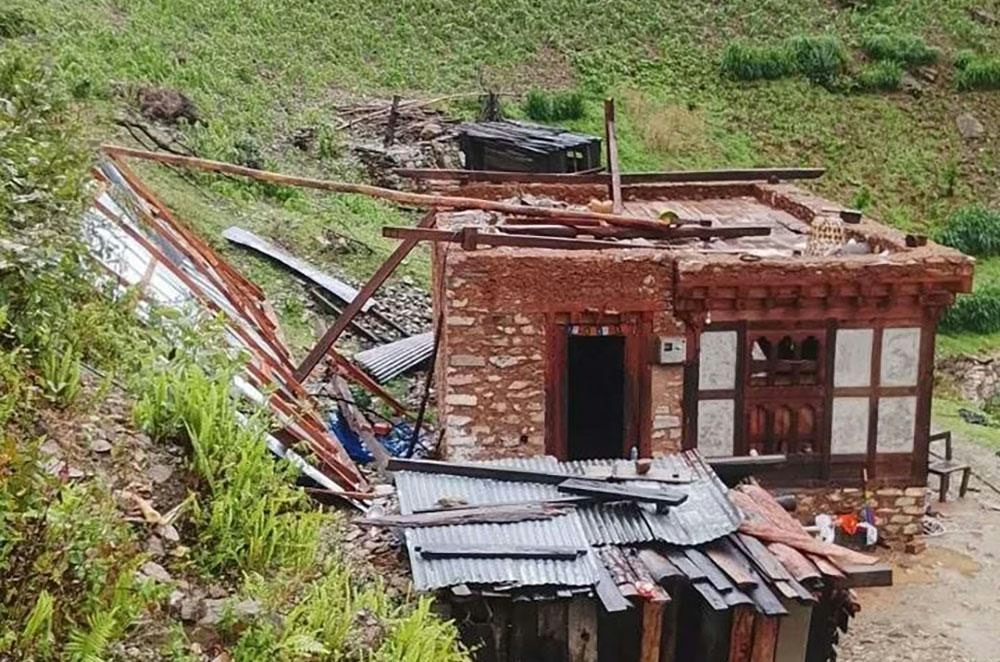
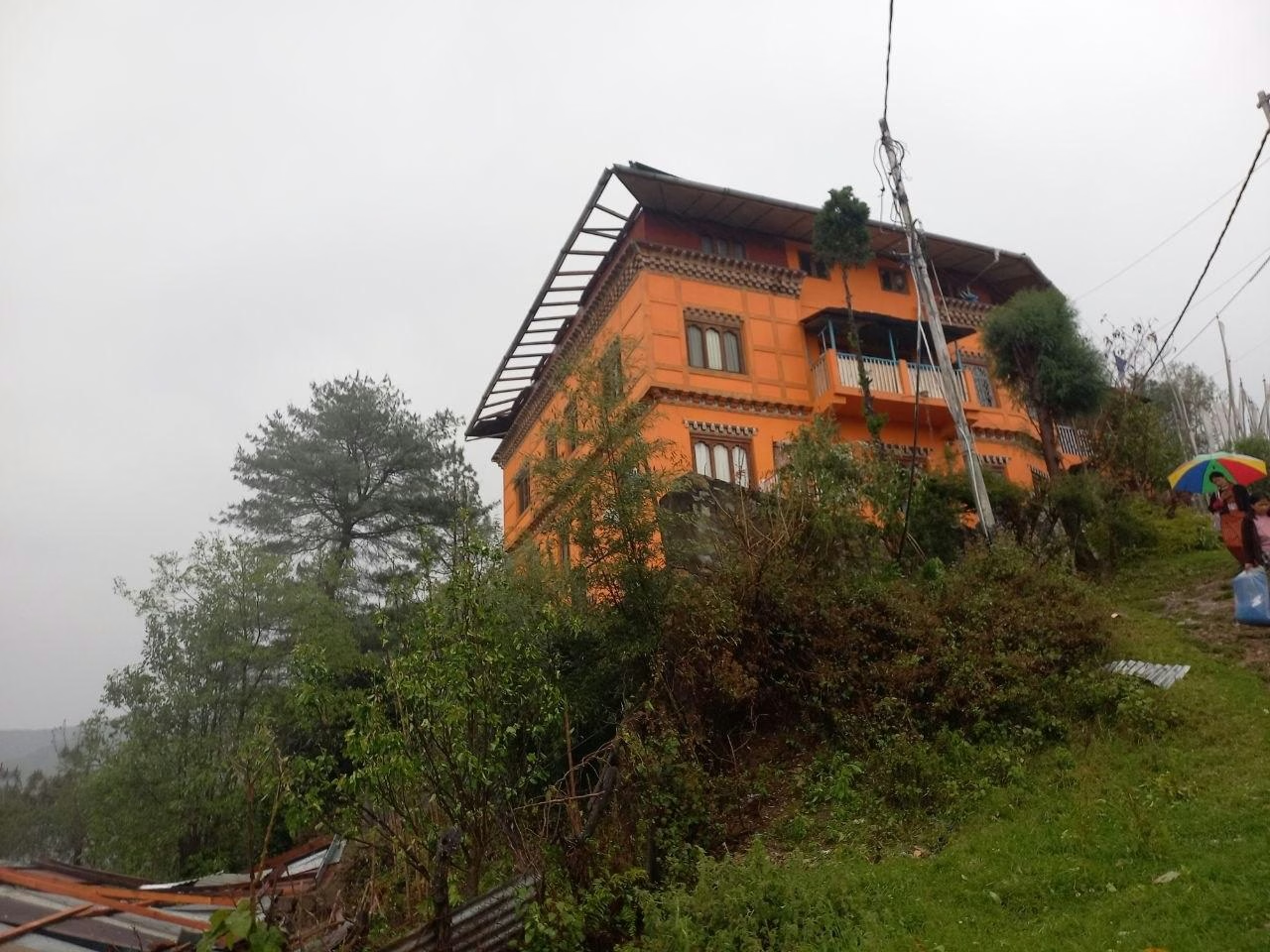
The storm's fury was felt across Chagsakhar, Thangrong, Chali, Mongar, Drepong, Kengkhar, Shermuhoog, and Tsamang gewogs. In Chagsakhar, 16 households faced the brunt of the storm, losing their roofs in the process. Local leader Tenzin Dorji confirmed that, fortunately, no casualties were reported in these areas.
Devastation in Thangrong
Thangrong Gewog experienced significant damage, with 13 roofs torn away across various chiwogs. The storm's impact on agriculture is equally concerning, as mango, orange, and avocado crops suffered during flowering, potentially leading to lower yields.
Balam Gewog: The Epicenter of Destruction
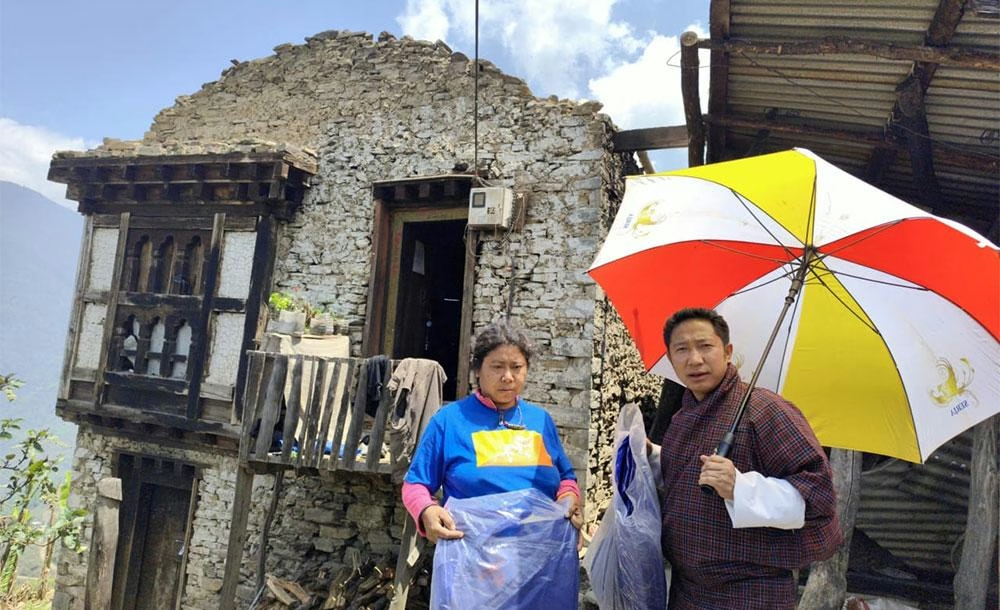
Perhaps the most severe impact was felt in Balam Gewog, where flash floods and winds devastated 140 agricultural fields and damaged five homes. Tragically, a three-month-old infant succumbed to suspected hypothermia during the chaos. Additionally, a local woman sustained severe leg injuries while trying to save her livestock, underscoring the storm's human toll.
Infrastructure Challenges
The storm also wreaked havoc on infrastructure, damaging about seven to eight kilometers of dzongkhag roads. Machinery has been deployed to clear the debris, but repair efforts may take months, particularly for farm roads in Balam-Morphu and surrounding chiwogs.
Agricultural Losses and Economic Impact
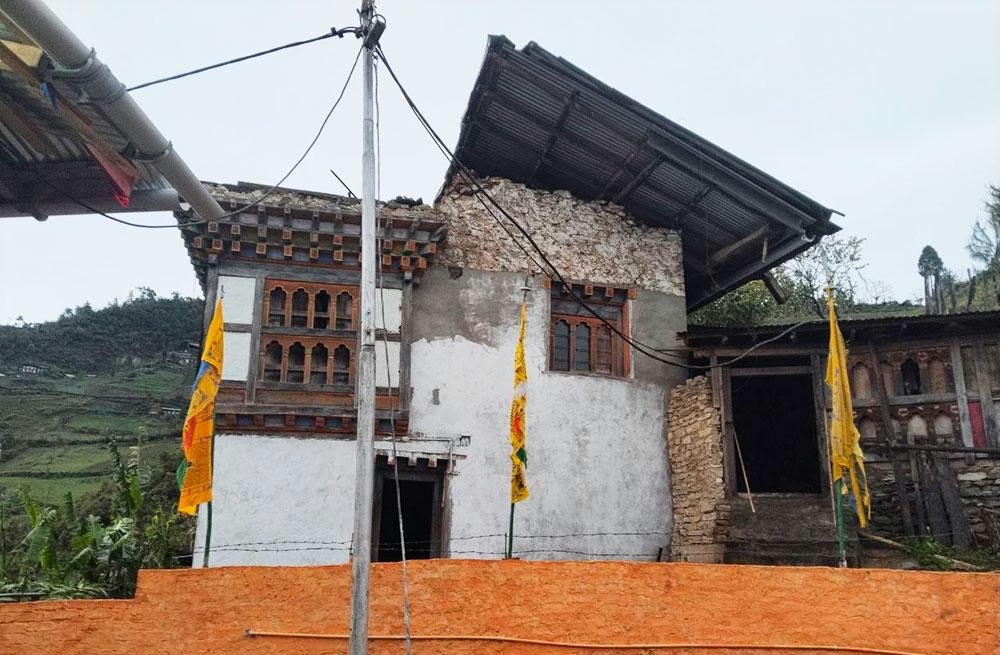
The agricultural sector in Mongar has suffered significant setbacks. Key crops like potatoes and maize have been heavily impacted, and while agricultural insurance was recently introduced, no farmers had enrolled in time to mitigate their losses.
Response and Relief Efforts
Local authorities have been quick to respond, distributing tarpaulins and food supplies to affected households. However, ongoing road damage continues to complicate relief efforts and a full assessment of the storm's impact.
Historical Context and Future Preparedness
Windstorms are not uncommon in Mongar, with Chagsakhar Gewog often recording the most cases annually. This recurring natural phenomenon highlights the need for improved disaster preparedness and infrastructure resilience.
Looking Ahead
As Mongar's communities begin the long road to recovery, the focus will likely shift towards improving infrastructure and enrolling more farmers in agricultural insurance schemes. The recent storm serves as a stark reminder of the vulnerabilities faced by rural communities in the face of climate change.
Conclusion: Resilience in the Face of Adversity
The recent storm in Mongar is a testament to the resilience of its people. As they rebuild, the lessons learned will hopefully pave the way for better preparedness and response strategies in the future. The community's spirit and the swift action of local authorities provide hope for a brighter, more resilient tomorrow.
You May Also Like
News
Drukair Employee Arrested in Major Cannabis Smuggling Investigation
October 23, 2026

News
Gelephu Prepares for 40,300 Vehicles Ahead of Project 108
October 21, 2026
News
Third Child Plus Programme Disburses Nu 186M to 6,510 Children
October 21, 2026

News
German-Bhutan Society Backs Gelephu Mindfulness City
October 21, 2026