Category:
EconomySmall-Scale Strawberry Farm Reaps Big Rewards
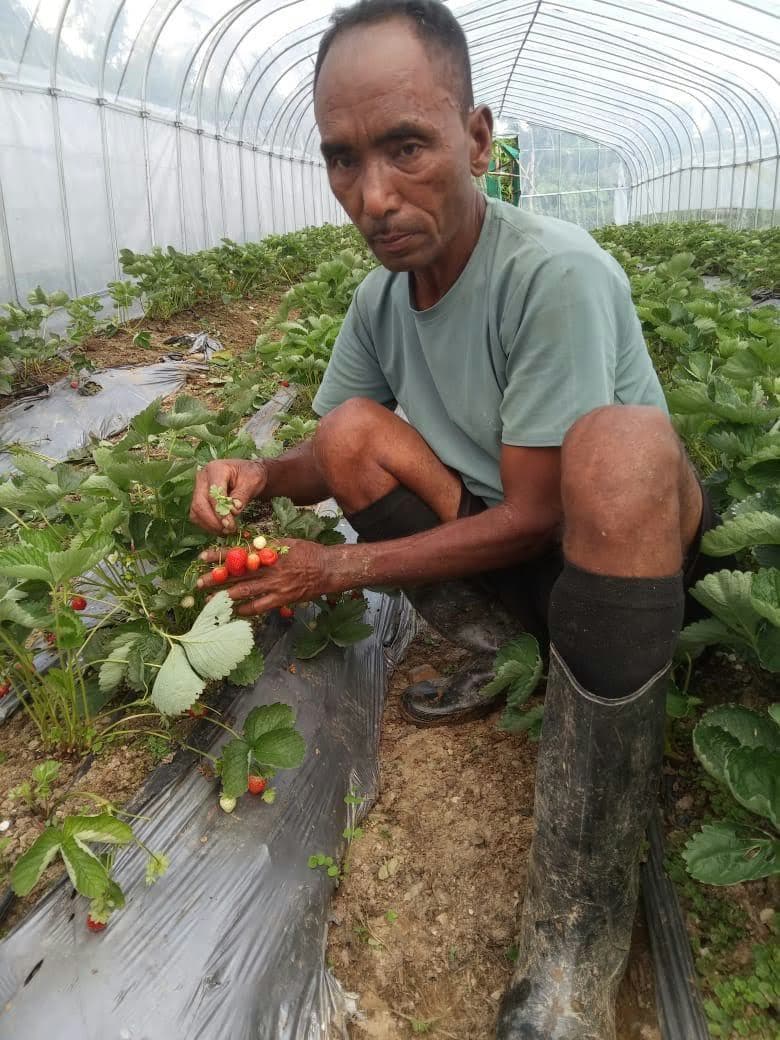
In the picturesque region of Norbugang, Samtse, a small-scale strawberry farm is redefining agricultural success 🌱. Run by the enterprising Jit Bdr Ghalley, this farm has become a beacon of profitability and innovation in Bhutan's burgeoning horticulture sector.
A Fruitful Venture 🍓
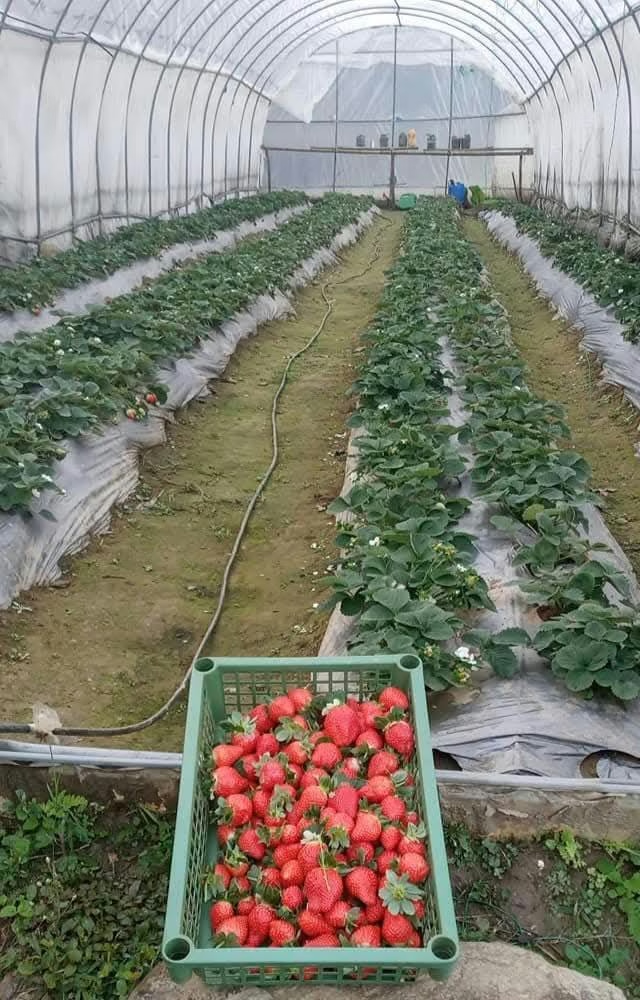
Jit Bdr Ghalley, a former civil servant, embarked on his strawberry farming journey in 2021. After dedicating eight years to the Ministry of Agriculture, he chose farming as a path to sustainable livelihood. On his 35-decimal farmland, he cultivates about 2,600 strawberry plants, yielding around 500 kilograms annually.
The Economics of Strawberries 💰
Each strawberry runner costs Nu 14, and the fruit sells for Nu 600 per kilogram. Despite the high demand, Jit can only fulfill about 30% of customer requests. His primary markets include nearby towns such as Samtse and Phuentsholing. While demand from distant markets like Paro Airport exists, limited production restricts broader distribution.
Initial Investments and Returns 📈
Jit's initial investment was approximately Nu 400,000, a sum reflecting the costs of setting up the farm and acquiring planting materials from Singapore. His background in the agriculture ministry provided valuable insights, aiding his transition into successful farming.
Expanding Horizons and Challenges 🚜
Jit's success story has inspired other local farmers, with about five peers now cultivating strawberries under his mentorship. These farmers earn between Nu 35,000 and Nu 40,000 annually through part-time strawberry farming.
Seasonal Harvest and Pest Challenges 🌿
Strawberry farming in Norbugang is a seasonal affair. Planting occurs in September, with harvesting from February. However, the farm faces challenges such as pest attacks during June and July, necessitating natural pest control measures.
Accessibility and Infrastructure 🚧
Access to the farm poses another hurdle. Located two kilometers from the nearest road, the farm's remote position impacts productivity and expansion. Relocation due to previous pest issues has only compounded these challenges.
The Future of High-Value Horticulture 🌟
The story of Jit's farm is part of a larger trend in the region. High-value horticulture, like strawberry farming, is gaining traction in Bhutan. The government's support, through quality checks and market supply standards, has been pivotal.
Broader Impacts and Trends 🌐
Strawberry farming's rise reflects broader agricultural trends in Bhutan, where diversification and high-value crops are seen as pathways to economic resilience. As more farmers engage in such ventures, the potential for export markets and national food security strengthens.
Conclusion: A Sweet Success 🍬
Jit Bdr Ghalley's strawberry farm is not just a personal triumph but a testament to Bhutan's agricultural potential. With continued support and strategic expansion, small-scale farms like his could play a significant role in the nation's economic landscape.
Looking ahead, addressing logistical challenges and expanding production capacity will be crucial for meeting growing demand. As Bhutan's agricultural narrative evolves, innovative farmers like Jit lead the way toward a prosperous future.
You May Also Like
Economy
DRC's QR Payment Innovation: Tracking Business Income
September 2, 2026
Economy
Single Mother Transforms Life Through Beekeeping in Bhutan
August 31, 2026
Economy
Natural Resources: Turning Ore into National Opportunity
August 29, 2026

Economy
100 Global Entrepreneurs Converge in Thimphu for Startup Programme
August 26, 2026