Category:
EnvironmentRafting Endangers Rare Heron in Bhutan
🌟 Introduction
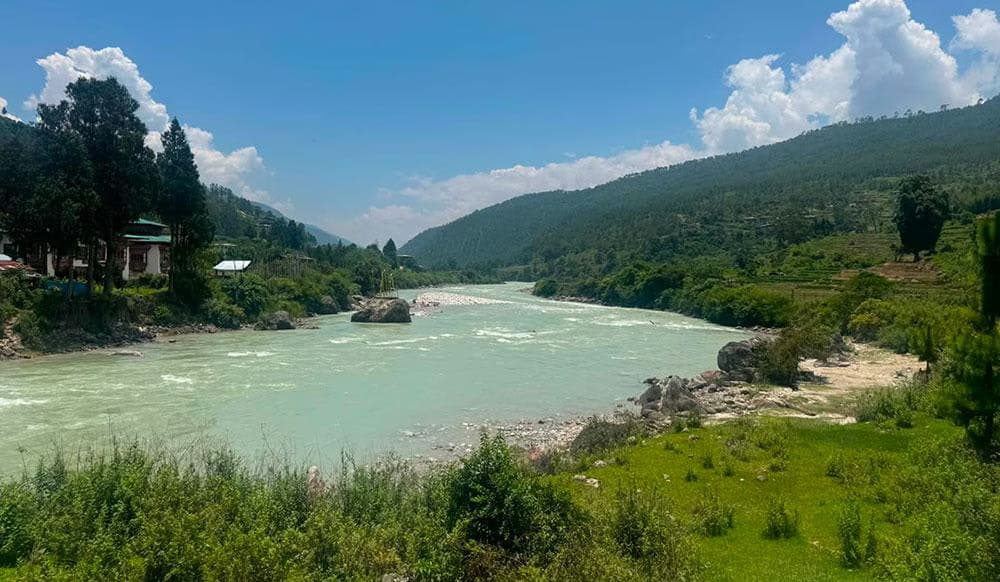
Nestled in the scenic beauty of Bhutan's Punakha Valley, the rise of adventure tourism has brought both excitement and concern. While rafting is a thrilling attraction for many, it poses a significant threat to the habitat of the critically endangered white-bellied heron, a majestic bird now fighting for survival. This article delves into the complexities of eco-tourism and its impact on this rare species, highlighting the urgent need for sustainable practices.
The White-bellied Heron: A Struggle for Survival 🕊️
The white-bellied heron, known for its striking appearance, is one of the world's rarest birds. With fewer than 60 individuals remaining globally, this species is on the brink of extinction. Bhutan, home to approximately 45% of the global population, plays a crucial role in its conservation. These herons are primarily found in Bhutan, India, and Myanmar, with their numbers dwindling due to habitat loss and human disturbances.
Rafting: A Double-edged Sword for Bhutan's Economy and Ecology
Rafting has emerged as a key component of Bhutan's eco-tourism sector, attracting adventure enthusiasts to the exhilarating rapids of the Phochhu and Mochhu rivers. While this boosts local economies and provides livelihoods, conservationists warn of its detrimental impact on the white-bellied heron's habitat. The Phochhu River, once a thriving nesting ground, now sees a decline in heron sightings due to increased river traffic and noise.
The Role of Local Communities and Rafting Operators 🌊
Local operators, aware of the heron's presence, often educate tourists about the bird and encourage minimizing noise. However, some operators remain unaware of their impact, highlighting the need for more comprehensive awareness programs. The Royal Society for Protection of Nature (RSPN) advocates for caution, urging rafting operators to reduce disturbances, especially during nesting seasons.
Conservation Efforts in Bhutan: A Beacon of Hope 🌍
Bhutan has taken significant steps to protect the white-bellied heron. The country hosts the world's first White-Bellied Heron Conservation Centre, dedicated to breeding, research, and reintroduction efforts. The RSPN, since 2003, has been at the forefront of conservation, conducting population surveys, nest monitoring, and community engagement initiatives. These efforts, though significant, require further support and coordinated action at national and international levels.
The Broader Impact of Tourism and Development on River Ecosystems
Beyond rafting, other threats such as riverbank modification, sand extraction, and infrastructure development further endanger the heron's habitat. Climate change and extreme weather events exacerbate these challenges, altering river ecosystems and reducing habitat quality. The government's 2007 notification declared Phochhu a designated heron habitat, yet enforcement of buffer zones remains lacking.
A Call for Sustainable Tourism and Conservation Collaboration 🌱
The delicate balance between tourism development and conservation necessitates strategic planning and strict environmental safeguards. Sustainable tourism practices, informed by science, are crucial to preserving the white-bellied heron's habitat. Collaboration among government agencies, local communities, and tourism stakeholders is vital to ensure eco-tourism does not compromise this species' survival.
What Lies Ahead? 🔮
The future of the white-bellied heron hinges on immediate, coordinated efforts. Conservationists urge for stronger regulations, enhanced awareness, and active involvement from all sectors to secure a future for this iconic bird. As Bhutan continues to prioritize environmental conservation, maintaining vigilance and adapting strategies will be key to protecting its rich biodiversity.
In conclusion, while Bhutan's commitment to eco-tourism is commendable, the survival of the white-bellied heron demands urgent attention. Sustainable tourism, combined with robust conservation initiatives, can ensure that the thrill of rafting coexists with the preservation of this rare and beautiful species.
You May Also Like
Environment
Climate Crisis in the Himalayas: Bhutan's Cold Reminder
August 29, 2026
Environment
WBH Conservation Project Delivers Clean Water to Rural Homes
August 29, 2026
Environment
HKH Climate Crisis: Why Regional Unity Matters Now
August 29, 2026
Environment
Bhutan's Solar Power Revolution: Energy Security Strategy
August 26, 2026