Category:
NewsPHPA-II Loses Nu 194 Million After 71-Hour Shutdown
A Critical Infrastructure Challenge in Bhutan's Energy Sector 🌊⚡
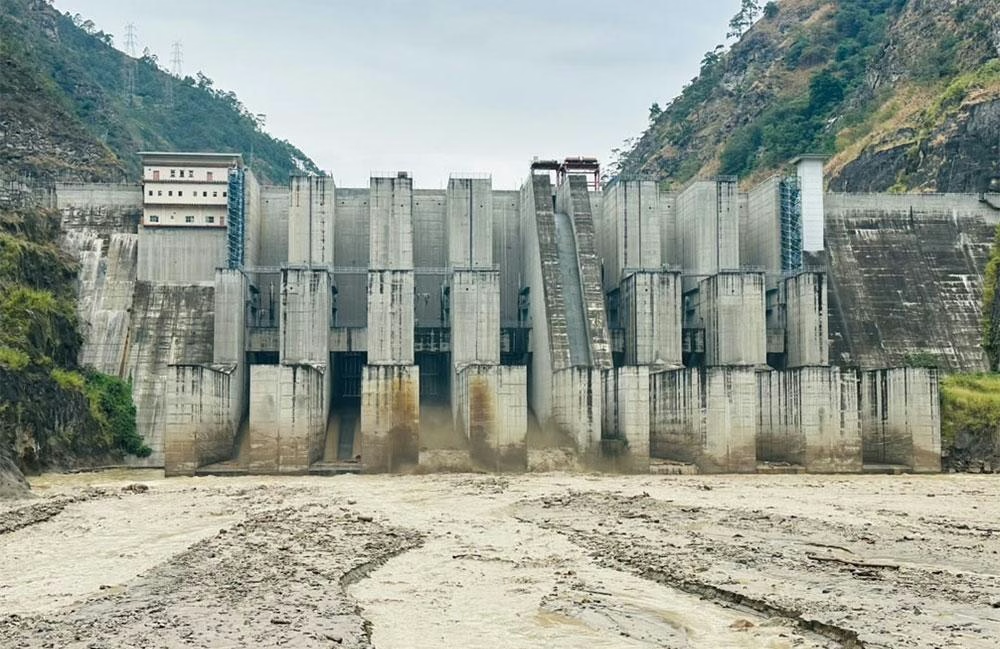
Bhutan's renewable energy landscape faced a significant disruption when the Punatsangchhu-II Hydropower Project Authority (PHPA-II) experienced an unexpected shutdown that reverberated across the nation's power generation capabilities. The incident, triggered by a glacial lake outburst in the remote Laya region of Gasa, underscores the growing vulnerability of hydropower infrastructure to climate-related hazards and the complex challenges facing one of South Asia's leading renewable energy producers.
The financial impact was substantial—approximately Nu 194 million in lost revenue over just 71 hours. This figure represents more than a mere operational hiccup; it reflects the critical role that PHPA-II plays in Bhutan's economic framework and its position as a cornerstone of the nation's hydropower exports.
Understanding the Sintaphu Lake Outburst Event 🏔️
On the night of October 29, disaster struck when Sintaphu Lake in Laya experienced an outburst that sent floodwaters cascading through the Punatsangchhu river basin. The incident forced all three operational generating units at PHPA-II to shut down completely as a precautionary measure—a decision that prioritized infrastructure protection over revenue generation.
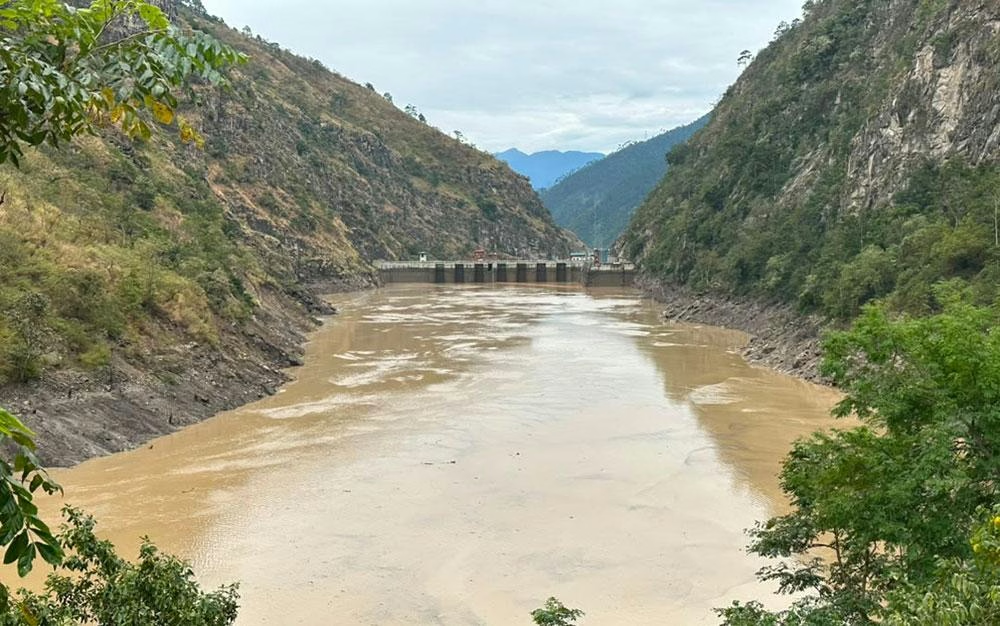
The timing proved crucial. Project authorities received notification of the outburst at approximately 8:00 pm, providing a narrow but vital window to activate emergency response protocols. This advance warning system, coordinated between the National Centre for Hydrology and Meteorology and local authorities, proved instrumental in preventing catastrophic damage to the facility.
The Scale of Electricity Generation Lost 📊
Before the emergency shutdown, PHPA-II was operating at near-full capacity with three of four generating units functioning optimally. The facility was producing 370 megawatts of electricity as of 8:12 pm on October 29. During the preceding days (October 25-28), the project maintained an average daily output of 9.65 million units of electricity—a testament to its operational efficiency under normal conditions.
The actual electricity generation lost during the 71-hour interruption was estimated at approximately 38 million units. To put this in perspective, this represents more than three days of lost generation at the project's standard operating capacity of roughly 10 million units per 24-hour period.
At the prevailing electricity export tariff, this generation loss translated directly into the Nu 194 million revenue shortfall. Under normal circumstances, when all three generating units operate at full capacity with electricity directed entirely toward export markets, the facility generates approximately Nu 51 million in daily revenue.
Emergency Response and Infrastructure Protection 🛡️
The decision to shut down PHPA-II completely was not taken lightly. It represented a deliberate choice to safeguard critical infrastructure—the dam structure, powerhouse facilities, and associated equipment—over short-term revenue considerations. This decision reflects a mature understanding of risk management in hydropower operations.
When floodwaters approached, all seven radial gates of the dam were fully opened at approximately 1:40 am on October 30. This action allowed the glacial lake outburst flood to pass safely through the structure rather than being impounded against the dam face. The dam's engineering specifications were designed specifically for such scenarios: with a total design discharge capacity of 16,023 cubic metres per second (cumecs), the facility can manage both the probable maximum flood discharge of 11,723 cumecs plus a dedicated GLOF discharge capacity of 4,300 cumecs.
Power generation remained suspended until November 1, when project assessments confirmed that conditions had stabilized and operations could safely resume. By 8:11 pm that evening, electricity generation recommenced. Within days, all three generating units returned to full operational status.
The Broader Context: Hydropower and Climate Risk 🌍
The Sintaphu Lake incident illuminates a growing concern for Bhutan's hydropower sector: the increasing frequency and severity of glacial lake outburst floods in the Hindu Kush-Himalayan region. The Punatsangchhu river basin is home to two major India-Bhutan joint ventures—the 1,200 megawatt Punatsangchhu-I and the 1,020 megawatt PHPA-II—both of which operate in an environment of heightened GLOF risk.
Climate scientists have documented accelerating glacier retreat and glacial lake expansion throughout the Himalayan region. These changes create conditions where catastrophic outbursts, once rare events, are becoming more frequent. For a nation whose economy depends substantially on hydropower exports, this represents both a technical challenge and a strategic vulnerability.
PHPA-II's Emergency Action Plan (EAP) provides the operational framework for responding to such incidents. The plan outlines specific protocols, decision-making procedures, and coordination mechanisms involving multiple government agencies, local authorities, and project management teams. The successful implementation of this plan during the October 29 incident demonstrates the value of preparedness and inter-agency cooperation.
Operational Performance and Revenue Dynamics 💰
PHPA-II represents a remarkable achievement in Bhutan's energy infrastructure development. The project, commissioned in August 2025 after years of construction delays, has rapidly become a significant revenue generator for the nation. Its six generating units were sequentially commissioned between December 2024 and September 2025.
Since full commissioning, the facility has generated a cumulative 7,541 million units of electricity, earning approximately Nu 30 billion in total revenue as of October 2026. This performance places PHPA-II among the most productive hydropower facilities in South Asia.
The project's financial contribution to Bhutan's national economy extends beyond direct revenue figures. Hydropower exports constitute one of the nation's largest foreign exchange earners, and PHPA-II contributes substantially to this critical economic pillar. In 2025 alone, the facility generated 3,674 million units of electricity, producing Nu 4,156.67 million from exports and Nu 7,094.68 million from domestic sales.
However, the project faced initial constraints that affected early revenue generation. Due to delays in finalizing the Power Purchase Agreement and Tariff Protocol with importing nations, electricity exports could not commence until September 20, 2025—nearly two months after the facility achieved commercial operation. This delay compressed the revenue generation window for the year and highlighted the complex diplomatic and contractual dimensions of international energy trade.
Comparative Performance and Industry Implications 📈
As of October 2026, PHPA-II had generated 3,869 million units of electricity, earning total revenue of Nu 18,646 million. Of this generation, 3,203.719 million units were exported, generating Nu 16,338.968 million, while 665 million units supplied the domestic market for Nu 2,307.74 million. The export-to-domestic ratio demonstrates the facility's primary orientation toward international markets—a strategic positioning that reflects both Bhutan's energy surplus and its role in regional power supply networks.
Meanwhile, the Punatsangchhu-I project, still under construction, experienced no GLOF-related damage or operational disruption during the same incident. The project resumed ongoing construction activities immediately the following day, highlighting the localized nature of the flooding event and the effectiveness of the emergency response in protecting both facilities.
Key Lessons and Future Considerations 🔮
The PHPA-II shutdown incident provides several important lessons for Bhutan's hydropower sector:
Infrastructure Resilience: The successful management of the GLOF demonstrates that well-designed facilities with appropriate emergency protocols can withstand extreme natural events. The dam's engineering specifications—accommodating both probable maximum flood and glacial lake outburst scenarios simultaneously—proved adequate to the challenge.
Interagency Coordination: The incident required seamless cooperation between Wangdue Dzongkhak Administration, local government authorities, the National Centre for Hydrology and Meteorology, and PHPA-II management. This coordinated response protected both project infrastructure and downstream communities.
Operational Trade-offs: The decision to prioritize infrastructure protection over revenue generation reflects mature risk management. A single catastrophic failure could result in losses far exceeding Nu 194 million and threaten the nation's energy security for years.
Climate Adaptation: As glacial lake outburst floods become more frequent, Bhutan's hydropower sector must continue investing in monitoring systems, early warning networks, and emergency response capabilities. The success of the October 29 response depended critically on timely information from the National Centre for Hydrology and Meteorology.
Conclusion: Resilience in an Uncertain Climate 🌟
The Nu 194 million revenue loss from PHPA-II's 71-hour shutdown represents a significant but manageable disruption to Bhutan's energy sector. More importantly, the incident demonstrates that the nation's critical hydropower infrastructure can withstand the growing climate challenges posed by glacial lake outburst floods.
The successful management of this crisis—from early warning to emergency response to operational recovery—reflects both the technical sophistication of modern hydropower facilities and the institutional capacity Bhutan has developed to manage complex infrastructure systems. As climate impacts intensify, this combination of engineering excellence and operational preparedness will prove increasingly valuable.
For Bhutan's economy, which depends substantially on hydropower exports, the incident underscores the importance of continued investment in climate monitoring, emergency preparedness, and infrastructure resilience. The path forward requires sustained commitment to both technological innovation and inter-agency cooperation—the very factors that enabled PHPA-II to emerge from this crisis with its infrastructure intact and its operational capacity restored.
You May Also Like

News
Gyalwang Karmapa Celebrates Bhutan's Spiritual Legacy
November 7, 2026

News
Gyalwang Karmapa Presides Over Sacred Stupa Groundbreaking
November 7, 2026

News
Bhutanese Blockchain Innovators Showcase Projects at Devcon 8
November 7, 2026
News
Five Road Upgrade Projects Transform Mongar's Infrastructure
November 7, 2026