Category:
HealthOxygen Shortage at JDWNRH Amid Rising Respiratory Cases
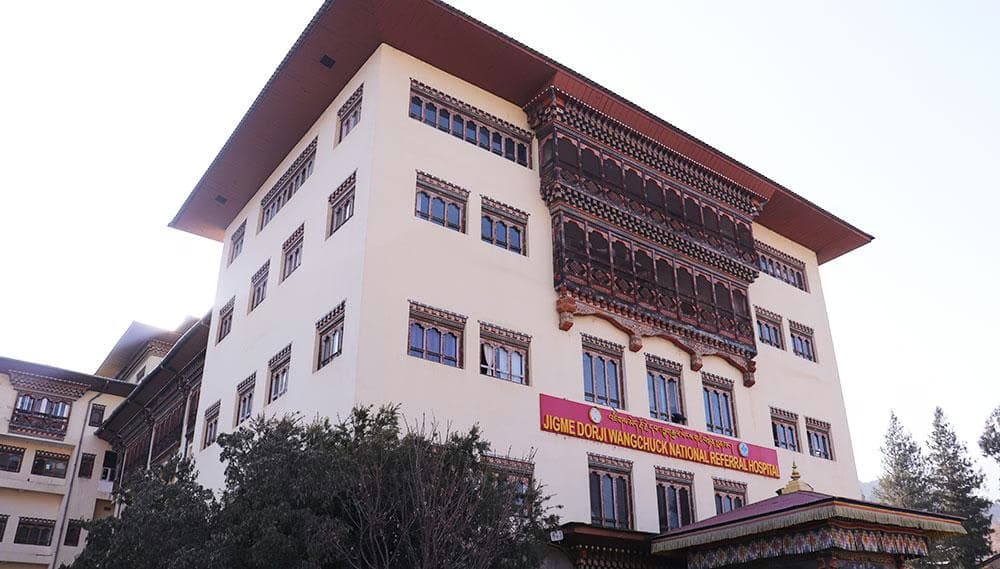
The Jigme Dorji Wangchuck National Referral Hospital (JDWNRH) is facing a critical shortage of oxygen concentrators as respiratory illnesses surge across Bhutan. This shortage not only highlights the immediate healthcare challenges but also underscores broader public health concerns. 🌟
The Current Crisis
As respiratory illnesses rise, the demand for oxygen concentrators has surged. JDWNRH, the country's largest hospital, is left with only 21 out of 329 concentrators available, as 308 units are currently in use at patients' homes. Nationwide, 371 out of 552 concentrators are deployed, leaving regional hospitals similarly strained. 🏥
Impact on Patients
Patients with chronic respiratory conditions like asthma often require continuous oxygen therapy. The lack of available concentrators forces many to occupy hospital beds solely for oxygen support, contributing to overcrowded wards. This situation is exacerbated by declining air quality and a rise in respiratory illnesses, especially among children, who accounted for a significant portion of the 154,221 notifiable disease cases recorded in 2024. 🧒
Exploring Alternatives
While oxygen concentrators are crucial, they are not the only option. Hospitals provide oxygen cylinders for home use, which are considered safer and more reliable during power outages. However, concentrators remain costly, priced over Nu 100,000 on the private market, making them inaccessible for many families. 💰
Community Initiatives
In response to the shortage, social workers like Karma Kelvin have stepped in to help. Through donations, they have provided concentrators to over 40 patients, demonstrating the power of community support in times of crisis. One notable case involved assisting an elderly woman with breathing difficulties, providing her with much-needed relief for over two years. 🤝
Looking Ahead
The health ministry plans to procure additional concentrators in the 2026-27 financial year, aiming to alleviate the current shortages. Meanwhile, JDWNRH and the Eastern Regional Referral Hospital (ERRH) in Mongar have oxygen plants, while other facilities rely on cylinder supplies. This strategic procurement could significantly improve the situation, but immediate action is required to address current needs. 📈
Broader Implications
This crisis sheds light on the healthcare system's vulnerability to sudden demand spikes. It also emphasizes the importance of sustainable healthcare planning and infrastructure development. As Bhutan continues to navigate these challenges, the role of government policy, community involvement, and international support becomes increasingly vital. 🌍
Conclusion
The oxygen concentrator shortage at JDWNRH serves as a wake-up call for the healthcare sector, urging stakeholders to prioritize resource allocation, infrastructure improvements, and community engagement. As Bhutan grapples with these challenges, public health initiatives and strategic planning will be crucial in ensuring the well-being of its citizens. ✨
By focusing on these areas, Bhutan can not only address current healthcare demands but also build a resilient system capable of handling future public health crises. 🔍
You May Also Like

Health
Mental Health: A Shared National Responsibility
August 29, 2026
Health
Mongar Mother and Child Hospital Handover: Ending Years of Healthcare Delays
August 26, 2026
Health
Behind Every Statistic: Understanding Human Impact in Health
August 26, 2026
Health
Breaking the Cycle: Understanding Relapse in Recovery
August 22, 2026