Category:
NewsMochhu River Tragedy: Two Drowning Incidents in Punakha
Tragic Events Unfold in Punakha 🚨
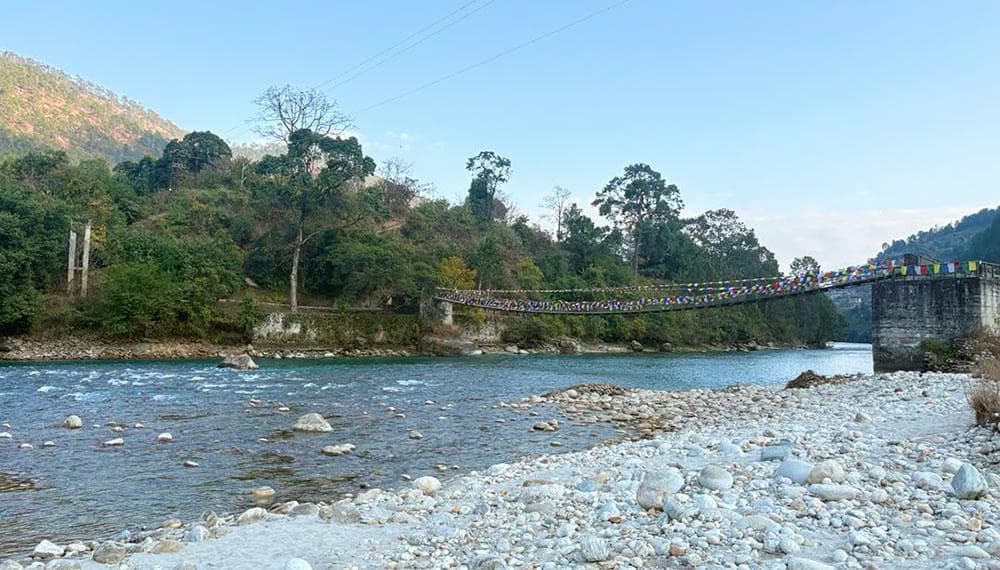
August 8 marked a devastating day for the Punakha community as two separate drowning incidents claimed one life and left another person missing in the Mochhu River. These tragic occurrences have reignited critical discussions about water safety during Bhutan's monsoon season, when river conditions become increasingly hazardous and unpredictable.
The incidents underscore a persistent challenge facing authorities: despite repeated warnings and safety campaigns, residents continue to engage in dangerous behaviors near riverbanks during periods of high water flow and strong currents.
The First Incident: An Elderly Man's Tragic End 💔
The body of an 88-year-old man from Mongar was recovered downstream in Wangdue on the same day he went missing. The circumstances surrounding how he entered the river remain unclear, though a rafting guide reported witnessing him being swept away by the powerful current.
The elderly man had been residing in Punakha with his son and daughter-in-law. His body was later recovered along the banks of the Punatshangchhu River and handed over to his family members.
A Pattern of Risk: The Family's History with the Mochhu
What makes this tragedy particularly poignant is the man's previous near-fatal encounter with the same river. Police records reveal that approximately 16 months earlier, in April of the previous year, this same individual and his then 81-year-old wife entered the Mochhu River together and were swept downstream by strong currents.
While he miraculously survived that harrowing experience, his wife tragically drowned. The couple's repeated vulnerability to the river's dangers highlights how even residents familiar with these waterways can underestimate their power, particularly during monsoon conditions.
The Second Incident: A Young Life Cut Short 😔
In a separate but equally tragic event on the same day, a 24-year-old man from Trashigang went missing in the Mochhu River. The young professional had arrived in Punakha just one day earlier, accompanied by his parents and a friend, to begin an internship at a local hotel scheduled to commence on August 10.
After his parents helped him settle into accommodation and then traveled to Phobjikha for their own plans, the young man and his friend decided to take an evening walk along the riverbank near the De-suung Skilling Programme facility at Phaduna, approximately 100 meters away.
The Decision That Changed Everything
According to available information, after consuming alcohol, the 24-year-old suggested swimming in the river. His friend, recognizing his own limitations, declined the invitation, stating he could not swim. Despite this, the young man proceeded to enter the water and began swimming across from one bank to the other.
As he attempted to return to the original bank, tragedy struck. The friend witnessed him struggling against the current and immediately sought assistance, but the man disappeared beneath the water before help could arrive. Despite extensive search efforts, he has not been located.
Understanding Monsoon River Dangers 🌊
Bhutan's monsoon season, typically occurring from June through September, transforms the nation's river systems into powerful forces of nature. During this period, heavy rainfall causes water levels to rise dramatically and currents to intensify within remarkably short timeframes.
Even sections of river that appear calm and manageable during dry seasons can become treacherous within hours when monsoon conditions prevail. The Mochhu River, while familiar to many Punakha residents, is no exception to this seasonal transformation.
Key Risk Factors During Monsoon Season:
- Rapid water level fluctuations that can occur within minutes
- Unpredictable current patterns that shift based on upstream rainfall
- Reduced visibility due to sediment-laden water
- Submerged obstacles such as rocks and fallen trees
- Hypothermia risks from cold water temperatures
- Difficulty in rescue operations due to hazardous conditions
Law Enforcement Response and Prevention Efforts 👮
Punakha police have intensified their efforts to prevent further tragedies along the region's waterways. Officers have significantly increased patrols along riverbanks, actively dispersing individuals found in dangerous areas and issuing warnings about the risks of water proximity during high-flow conditions.
Authorities emphasize that these are not arbitrary restrictions but necessary precautions based on demonstrated risks and historical data. Police personnel have repeatedly cautioned residents, parents, and guardians about the dangers of swimming in rivers or allowing children to venture near riverbanks when water levels are elevated.
Despite these ongoing warnings and visible police presence, the incidents reveal a troubling pattern: adults and children continue to gather along riverbanks, sometimes entering the water or moving dangerously close to powerful currents.
Educational Institutions Join Prevention Campaign 🏫
Schools throughout the Punakha dzongkhag have also intensified their safety messaging, repeatedly reminding students of the hazards associated with river activities during monsoon season. These institutional efforts complement police initiatives and aim to instill water safety awareness from an early age.
The integration of safety education across multiple community institutions reflects the seriousness with which authorities view the drowning crisis.
Statistical Context: A Concerning Trend 📊
The August 8 incidents are not isolated occurrences but part of a troubling pattern. Drowning statistics from Punakha reveal a persistent public health concern:
- 2025: Two confirmed drowning cases
- 2024: Three drowning cases
- 2023: Two drowning cases
- 2022: Two drowning cases
- 2017-2021: Eight drowning cases reported
- Still missing: Two individuals from 2020 drowning incidents
These numbers represent not merely statistics but families devastated by loss and communities impacted by tragedy. The frequency of incidents suggests that current prevention strategies, while well-intentioned, require enhancement or different approaches to achieve meaningful behavioral change.
Broader Implications for Water Safety in Bhutan 🇧🇹
The Punakha drowning incidents reflect broader water safety challenges across Bhutan's mountainous terrain, where numerous rivers and water bodies present seasonal hazards. As tourism increases and more individuals engage in water-related activities, the importance of comprehensive water safety education becomes increasingly critical.
Experts emphasize that effective drowning prevention requires a multifaceted approach combining public education, enforcement of safety regulations, infrastructure improvements such as warning signage and barriers, and community engagement.
Expert Recommendations for River Safety 💡
Water safety professionals recommend several evidence-based approaches to reduce drowning incidents:
- Mandatory swimming proficiency testing for individuals engaging in water activities
- Clear, multilingual warning signage at high-risk locations
- Restricted access zones during peak monsoon periods
- Community awareness campaigns featuring personal stories from survivors and bereaved families
- First aid and CPR training for residents living near riverbanks
- Enhanced rescue equipment stationed at known risk locations
- Alcohol consumption restrictions near water bodies
The Human Cost of Tragedy 💭
Beyond statistics and prevention strategies lie profound human stories. An 88-year-old man who survived one river tragedy could not escape a second encounter. A 24-year-old professional beginning his career made a split-second decision that cost him his life, leaving his family to grapple with unexpected loss.
These are not abstract concepts but real individuals whose absences will be felt by their loved ones, workplaces, and communities.
Moving Forward: Community Responsibility 🤝
The path toward reducing drowning incidents requires commitment from multiple stakeholders: government authorities must continue enforcement and education efforts; families must prioritize water safety discussions; individuals must recognize their own limitations and respect natural forces; and communities must support victims' families while fostering a culture of water safety awareness.
As Bhutan continues its development and tourism expansion, investing in comprehensive water safety infrastructure and education represents not merely a public health initiative but a fundamental commitment to protecting human life.
Key Takeaways 🎯
The August 8 incidents in Punakha serve as sobering reminders of nature's power and human vulnerability. While authorities continue their prevention efforts, individual responsibility remains paramount. Understanding monsoon river dangers, respecting warning signs, avoiding alcohol near water, and recognizing personal swimming limitations can mean the difference between life and death.
The Mochhu River's tragedy should inspire not resignation but renewed commitment to water safety across Bhutan's communities.
You May Also Like
News
Women Entrepreneurs Master AI and Digital Tools in Phuentsholing
September 1, 2026
News
Can Samtse Keep Up With Its Growing Workforce?
August 29, 2026
News
Nepal Flood Exposes Critical Gaps in Bhutan's Early Warning Systems
August 29, 2026
News
High Court Overturns Acquittal: Doctor Sentenced to 10 Years for Child Sexual Abuse
August 29, 2026