Category:
EconomyLuxury Hotels Defend Wages Amid Economic Challenges
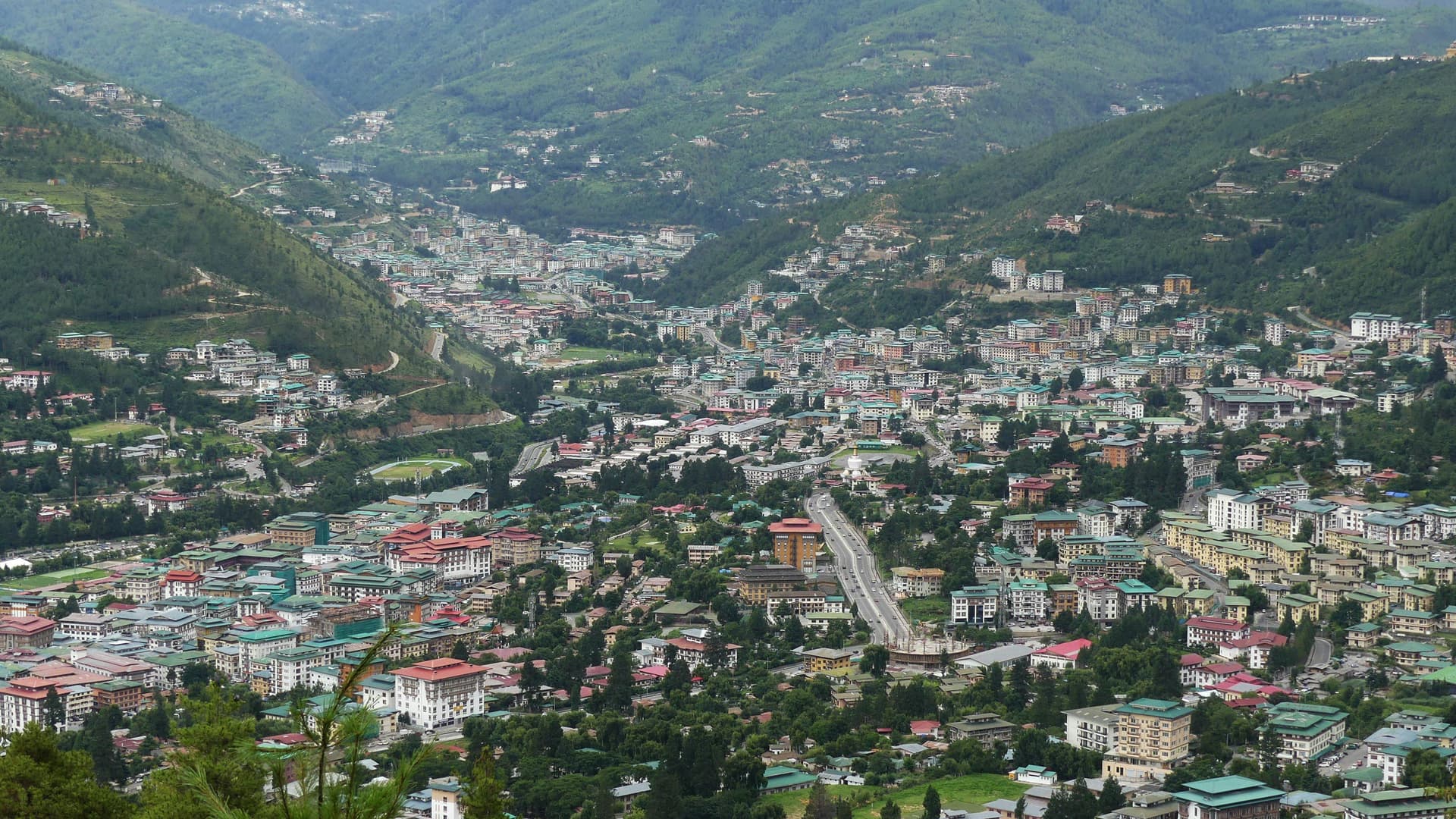
The Wage Debate in Bhutan's Luxury Hotels 🌟
In Bhutan's thriving hospitality industry, luxury hotels find themselves at the heart of a heated debate over employee wages. Despite commanding high room rates, these establishments argue that their profits are significantly eroded by soaring operational costs and seasonal demand fluctuations. This article delves into the complexities of this issue, exploring both sides of the discussion and the broader economic implications.
Understanding the Cost Structure 🔍
Luxury hotel operators in Bhutan maintain that premium room prices do not necessarily equate to high profit margins. The costs associated with maintaining international standards, coupled with Bhutan's unique seasonal tourism patterns, pose significant financial challenges. Operators highlight that their room rates, which can reach up to USD 4,000 per night for luxury villas, often include comprehensive packages covering accommodation, meals, and curated experiences. These inclusions carry substantial fixed costs that diminish net room revenue.
Employee Compensation: Beyond Basic Salaries 📊
The hospitality sector argues that employee remuneration should be viewed as a holistic package rather than focusing solely on base salaries. This package typically includes service charges, gratuities, housing allowances, pension contributions, and extensive training opportunities. However, employees counter that these benefits are heavily dependent on peak tourism seasons, leaving them financially vulnerable during off-peak months.
The Call for Transparency and Fairness 🤝
Employees are increasingly vocal about the need for greater transparency in wage structures and equitable compensation practices. They point to disparities between expatriate and Bhutanese staff salaries, particularly in supervisory roles, as areas needing reform. The lack of disclosed salary structures in job vacancies further fuels calls for government intervention to standardize wages across the industry.
Balancing Costs and Workforce Development 📈
Operators caution that mandating higher base salaries could lead to unintended consequences, such as reduced staffing levels and fewer opportunities for unskilled Bhutanese workers. They emphasize the importance of training and development within the framework of the National Career and Occupational Framework 2025, which aims to enhance the skill set of the local workforce.
The Economic Impact of Seasonality 📅
Bhutan's tourism industry is marked by distinct high and low seasons, which significantly influence hotel operations. Luxury hotels must navigate a peak season lasting only four to five months, a factor that complicates revenue stability and wage structuring. During off-peak periods, hotels often employ fewer staff or offer reduced hours, impacting overall employee earnings.
The Road Ahead: Seeking Solutions 🌐
As Bhutan continues to expand its hospitality industry, finding a balance between sustainable business practices and fair employee compensation remains a critical challenge. Industry stakeholders, including the Luxury Hospitality Operators Group and the Hotel and Restaurant Association of Bhutan, must work collaboratively with the government to address these issues, ensuring a thriving sector that benefits all parties.
Conclusion: Navigating a Complex Landscape 🧭
The debate over wages in Bhutan's luxury hotels underscores broader economic and social dynamics at play. As the industry grows, so too does the need for policies that promote fairness, transparency, and sustainability. By addressing these challenges head-on, Bhutan has the opportunity to set a precedent for equitable growth in its burgeoning tourism sector.
You May Also Like
Economy
Loden Tewa's Game-Changing Concessional Loan Facility
October 24, 2026
Economy
ADB's $17.4M Investment Shields Bhutan from Middle East Economic Crisis
October 24, 2026
Economy
Loden Tewa's Nu 8.5M Loan Facility Bridges Growth-Stage Financing Gap
October 24, 2026
Economy
Building a Thriving Business Ecosystem: Beyond Survival
October 21, 2026