Category:
EconomyHigh Airfares Impact Bhutan Tourism
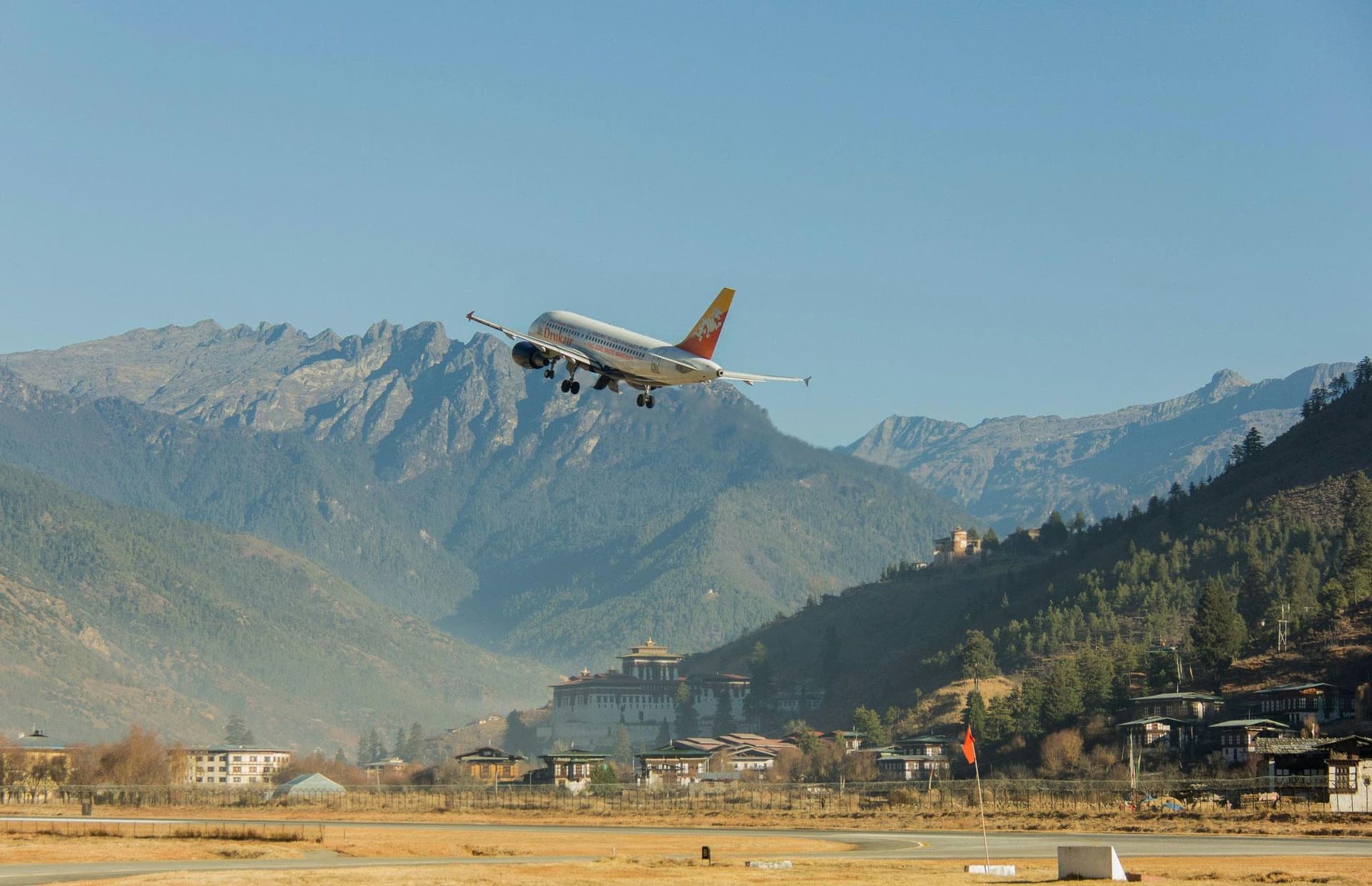
Sky-High Airfares: A Barrier to Bhutan's Tourism Growth ✈️
Bhutan, a country renowned for its stunning landscapes and rich cultural heritage, is facing a significant challenge — exorbitant airfare costs are driving potential visitors away. More than 70% of international tourists now enter Bhutan by land, primarily through Phuentsholing, as flying directly into Paro International Airport proves too costly.
The Cost Conundrum 🔍
The price disparity is stark. For instance, a round-trip ticket from Paro to Bangkok can exceed Nu 90,000, whereas a similar journey via Bagdogra, India, costs around Nu 35,000. This substantial difference is prompting not only international visitors but also Bhutanese nationals to opt for alternative routes.
Economic Implications 💸
This shift in travel patterns impacts Bhutan's economy. While the country still receives tourists, the reduced airfare revenue affects local airlines and the broader travel economy. High costs diminish Bhutan's appeal to price-sensitive travelers, especially from neighboring regions.
Operational Challenges at Paro Airport 🚧
Paro Airport's unique operational challenges contribute to high airfares. Flights are limited to daylight hours, requiring specialized pilot training and certification. These restrictions, coupled with lower aircraft utilization, inflate fixed costs like maintenance and insurance.
Industry Insights from the Bhutan International Travel Mart 🌐
In June's Bhutan International Travel Mart, tour operators identified airfare as a crucial barrier to promoting Bhutan. Despite strong interest, many clients prefer flying into Bagdogra due to lower overall travel expenses.
Solutions and Strategic Recommendations 🎯
To maintain Bhutan's tourism momentum, addressing air connectivity is essential. This involves exploring ways to reduce operating costs without compromising safety, enhancing airport efficiency, and forging partnerships to expand regional connectivity.
- Infrastructure Investments: Improve airport facilities to increase efficiency.
- Operational Cost Reduction: Identify areas where costs can be minimized.
- Strategic Incentives: Support routes critical to tourism growth.
- Policy Evaluation: Assess current aviation policies to align with long-term tourism goals.
Conclusion: Paving the Way Forward 🛤️
The task is not merely to attract tourists but to ensure their journey to Bhutan is economically viable. By addressing these airfare challenges, Bhutan can solidify its position as a high-value destination without deterring potential visitors due to travel costs.
Bhutan's tourism sector holds immense potential. By strategically improving air travel accessibility, the country can enhance its appeal, ensuring that the journey to this Himalayan paradise is both accessible and unforgettable.
You May Also Like
Economy
Loden Tewa's Game-Changing Concessional Loan Facility
October 24, 2026
Economy
ADB's $17.4M Investment Shields Bhutan from Middle East Economic Crisis
October 24, 2026
Economy
Loden Tewa's Nu 8.5M Loan Facility Bridges Growth-Stage Financing Gap
October 24, 2026
Economy
Building a Thriving Business Ecosystem: Beyond Survival
October 21, 2026