Category:
EconomyFood Vendors Cash In: 108 Stupas Event Economic Impact
🎉 A Spiritual Gathering Becomes Economic Powerhouse
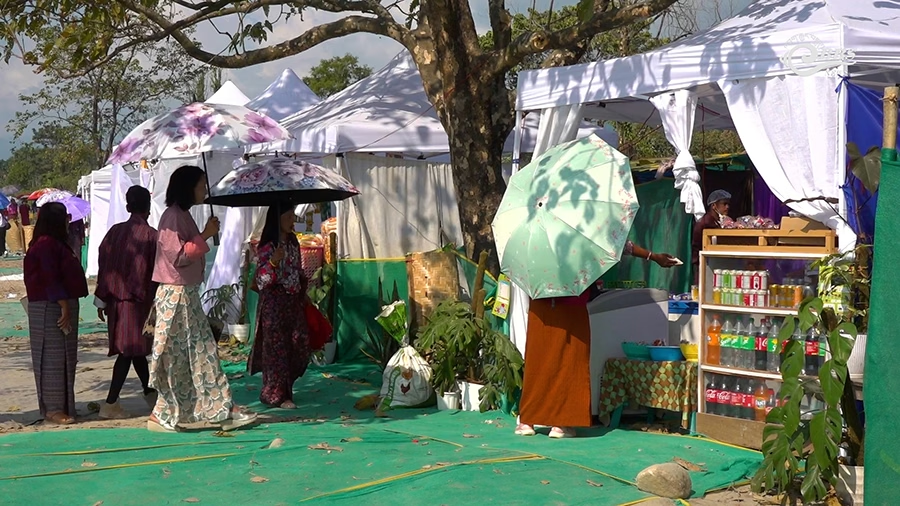
When tens of thousands converge for a significant cultural or spiritual event, the economic ripple effects extend far beyond the immediate celebration. The recent 108 stupas event demonstrated precisely how major gatherings can transform into lucrative opportunities for small business operators and food entrepreneurs across the nation. What began as a meaningful spiritual occasion quickly evolved into a thriving marketplace, with food vendors capitalizing on unprecedented foot traffic and consumer demand.
📊 Scale of the Event: Numbers That Tell the Story
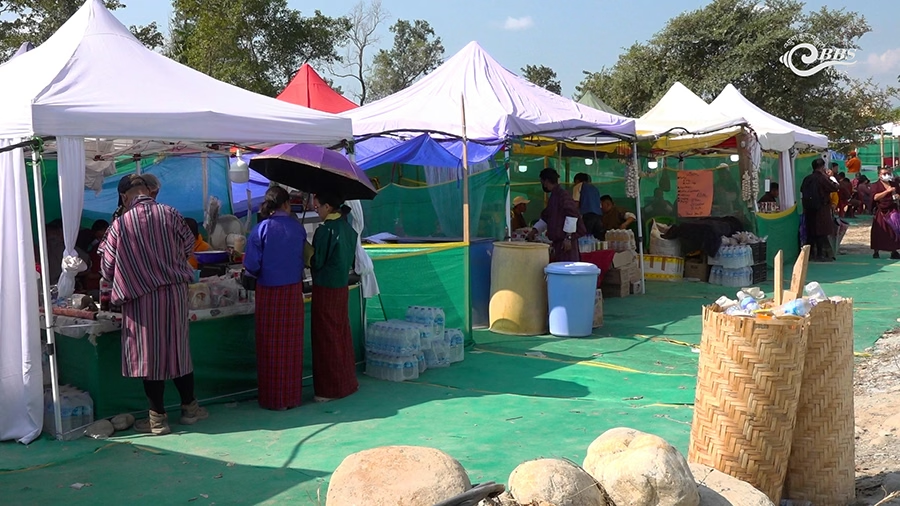
The magnitude of this gathering was staggering. Organizers reported that more than 150 food stalls were strategically positioned across 17 different locations, creating a distributed commercial ecosystem designed to serve visitors efficiently. The concentration of stalls behind the Zeerays area became the epicenter of food commerce, with vendors recognizing the strategic advantage of high-traffic positioning.
With attendance figures exceeding 150,000 visitors, the event created an unprecedented market opportunity. The stalls commenced operations on Thursday and maintained continuous service throughout the day and night, operating without time restrictions through the following day. This extended operating window allowed vendors to capture multiple meal periods and capitalize on the sustained visitor flow.
💰 Vendor Success Stories: Real Earnings Data
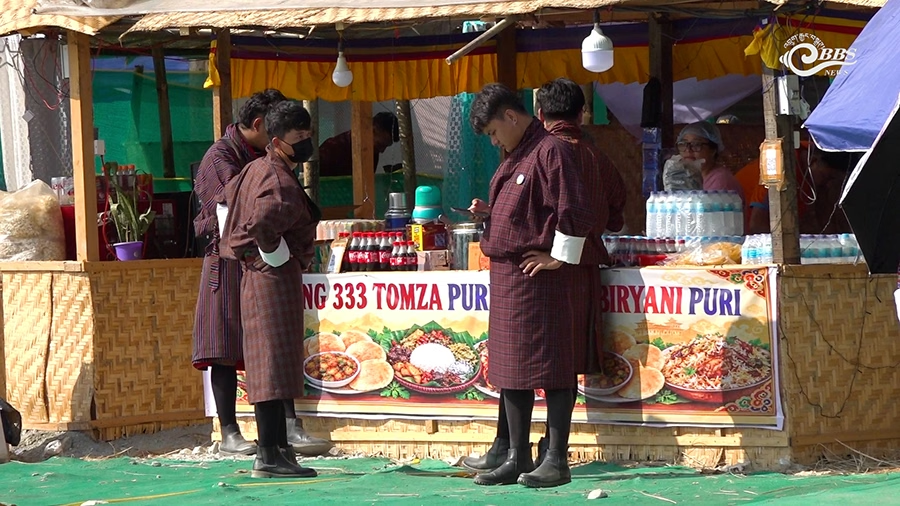
The financial returns were remarkable for participating food vendors. Pema Dorji, an entrepreneur from Trongsa, reported earning over Nu 40,000 in a single day, crediting the royal initiative for creating this unprecedented opportunity. His experience reflected the broader sentiment among vendors who viewed the event as a transformative business prospect.
Janima, operating from Sarpang, achieved even more impressive results, generating between Nu 70,000 to Nu 80,000 in daily sales. She attributed her success to the massive crowd and expressed enthusiasm about participating in similar events across other districts, indicating vendor confidence in replicating this model elsewhere.
Dawa Tenzin from Haa exemplified the entrepreneurial spirit, committing to maintain operations until the program's conclusion. His philosophy centered on maximizing profit potential by delivering exceptional service and meeting customer expectations efficiently—a strategy that resonated across the vendor community.
🏗️ Infrastructure Support: Enabling Vendor Success
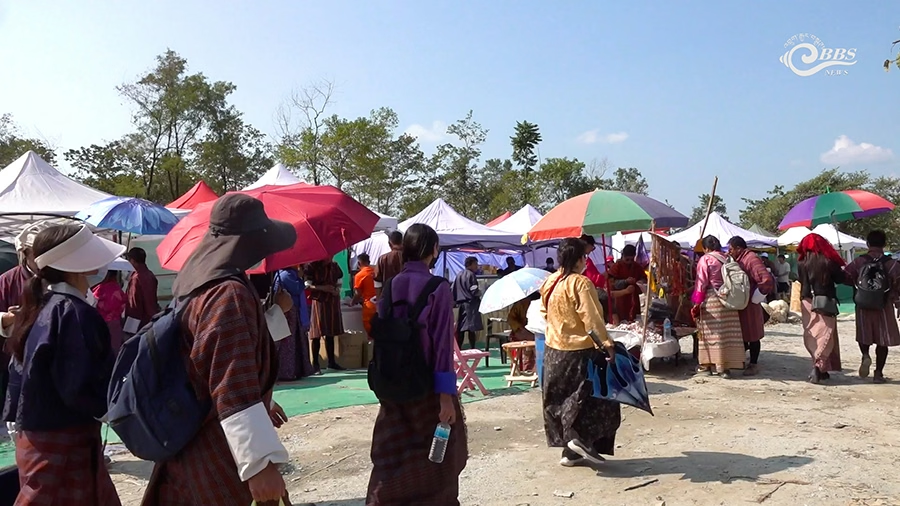
The success of food vendors depended significantly on organizational support structures. Event organizers implemented a comprehensive support framework that dramatically reduced barriers to entry:
- Free stall space allocation across multiple locations
- Complimentary electricity connections for vendor operations
- Water supply arrangements to support food preparation and service
- Subsidized stall structures available at minimal one-time costs
- Vendor flexibility to arrange personal tent extensions for expanded operations
This infrastructure investment represented a strategic decision to enable small business participation and ensure visitor satisfaction simultaneously. By removing capital barriers, organizers democratized access to the commercial opportunity, allowing vendors from across the country to participate regardless of financial capacity.
💧 Operational Challenges: The Water Supply Issue
Despite overall success, vendors encountered significant logistical hurdles. The area behind the Zeerays, despite being the highest-traffic location, lacked dedicated water supply infrastructure. This created a critical bottleneck affecting food preparation and sanitation standards.
Organizers addressed the challenge through tanker-based water delivery systems, including dedicated services to individual stalls. However, the combination of high demand and limited storage capacity strained the system. Vendors adapted by implementing water management protocols, though the situation highlighted infrastructure gaps that future events would need to address.
🌍 Broader Economic Implications for Small Business
The 108 stupas event exemplified how strategic event planning can generate meaningful economic benefits for small vendors and entrepreneurs. The model demonstrated several key principles:
Geographic Inclusivity: Vendors traveled from diverse regions including Trongsa, Sarpang, and Haa, indicating that the event attracted commercial participation nationally rather than locally.
Income Multiplier Effect: Individual daily earnings of Nu 40,000 to Nu 80,000 represent substantial income for many small business operators, potentially translating to monthly earnings that exceed annual averages for comparable enterprises.
Business Model Validation: The success encouraged vendors to envision similar participation in district-level events, suggesting demand for replicating this model across Bhutan's regions.
🎯 Strategic Lessons for Future Event Planning
The 108 stupas event provides valuable insights for future large-scale gatherings:
Infrastructure Planning: Adequate water supply infrastructure should be prioritized during venue selection and development. Tanker-based systems work as temporary solutions but permanent infrastructure prevents operational constraints.
Vendor Support Systems: Providing free space, electricity, and water removes financial barriers and encourages broader participation, ultimately enhancing visitor services.
Distributed Location Strategy: Spreading stalls across multiple sites prevents congestion and ensures equitable visitor distribution, reducing pressure on any single infrastructure point.
Extended Operating Hours: Continuous operation without time restrictions maximized revenue opportunities for vendors while accommodating visitor preferences and schedules.
🚀 Future Outlook: Scaling the Model
The enthusiasm expressed by vendors suggests strong potential for replicating this event model across Bhutan's districts. Several factors support expansion:
- Proven economic viability with substantial daily earnings
- Demonstrated vendor willingness to travel nationally for opportunities
- Successful infrastructure model that can be adapted to different venues
- Strong visitor attendance indicating sustained demand
Event organizers should consider developing a standardized vendor support framework applicable to future gatherings, potentially creating a network of commercial opportunities that benefit small business operators throughout the country.
✨ Key Takeaways
The 108 stupas event transcended its spiritual significance to become a meaningful economic catalyst. Food vendors capitalized on unprecedented market opportunity, generating substantial daily revenues while providing essential services to visitors. The event's success depended on strategic infrastructure support, though operational challenges like water supply highlighted areas for improvement.
For Bhutan's small business community, the event demonstrated that well-organized large-scale gatherings create genuine commercial opportunities capable of generating significant income. As the nation continues hosting major cultural and spiritual events, the vendor participation model established here provides a template for inclusive economic engagement that benefits both entrepreneurs and attendees alike. 🌟
The convergence of spiritual gathering and economic opportunity represents an increasingly important dimension of event planning in Bhutan, where cultural significance and commercial viability can coexist beneficially.
You May Also Like
Economy
BCCI Presidential Election Results Upheld After Thorough Complaint Review
November 17, 2026
Economy
Organic Farming Success: Chheng Farmers Transform Rural Economy
November 15, 2026

Economy
Government Cuts Hotel Loan Interest Rates to Boost Tourism
November 15, 2026
Economy
OPEC Fund Opens New Financing Doors for Bhutanese Entrepreneurs
November 14, 2026