Category:
EnvironmentEmpowering Coexistence: Snow Leopard Women's Group
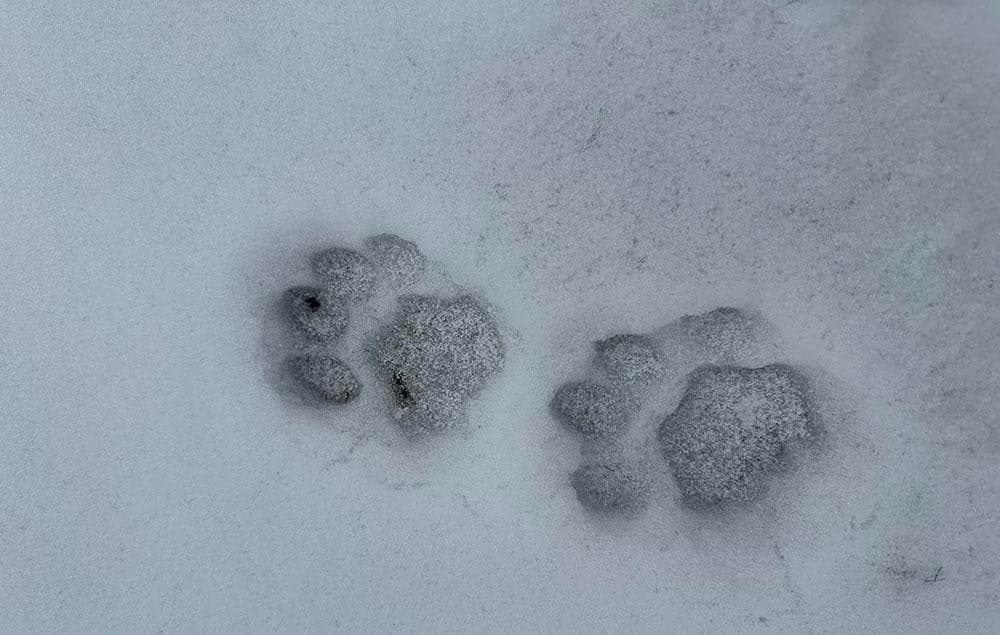
In the remote region of Nubri, nestled within the scenic landscapes of Bhutan, a unique initiative is taking root, led by the Snow Leopard Women’s Group. This community-driven effort is pioneering a new path for human-wildlife coexistence, addressing the growing challenges posed by predators like Tibetan wolves and the elusive snow leopards. 🌿
The Challenge of Coexistence
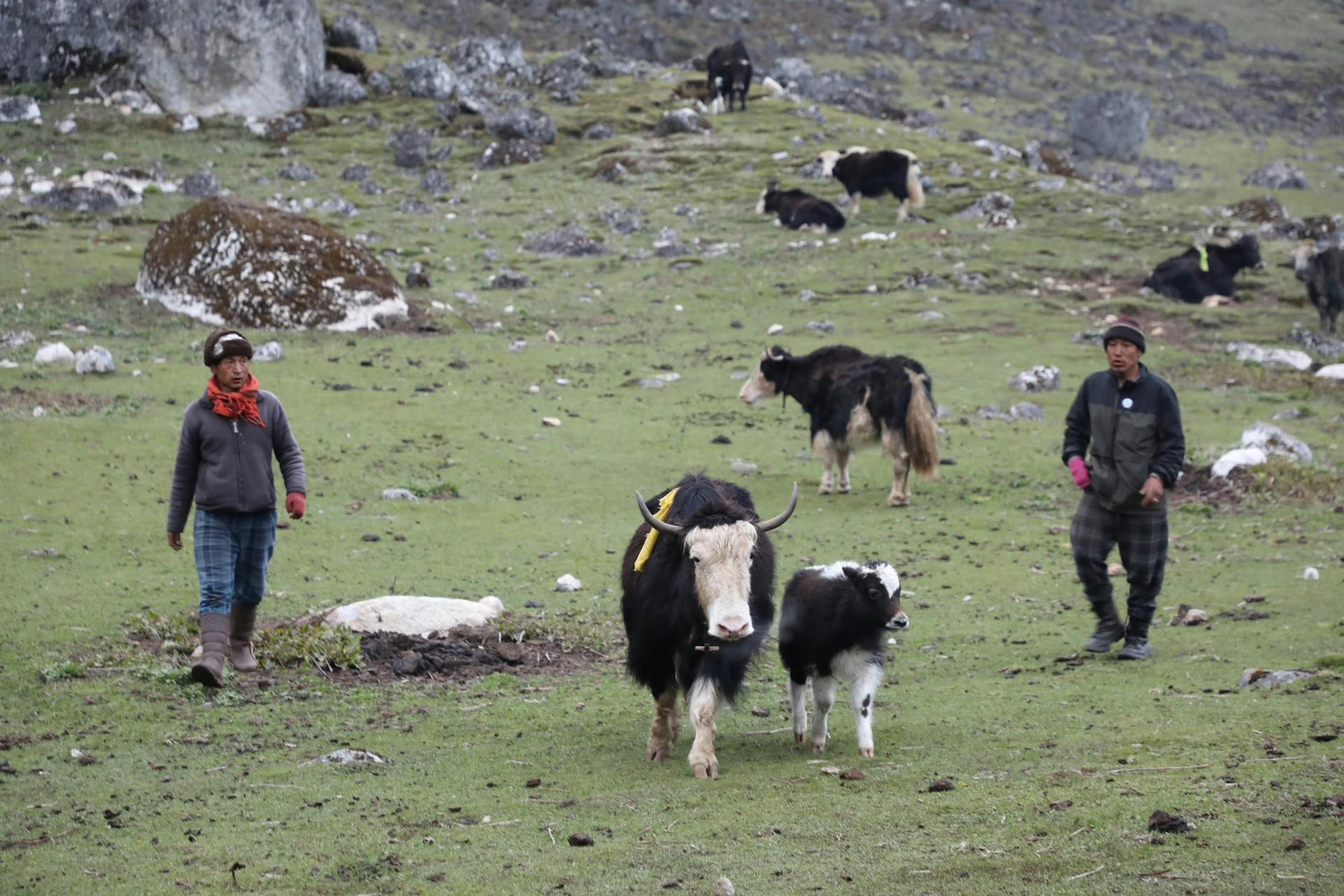
In recent years, Nubri has witnessed an increase in livestock depredation, a direct consequence of expanding predator populations. Calve attacks by Tibetan wolves and snow leopards have become a significant concern for local herders, whose livelihoods are intricately tied to their livestock. The traditional pastoral practices of Nubri are under threat, necessitating innovative solutions.
Women at the Forefront
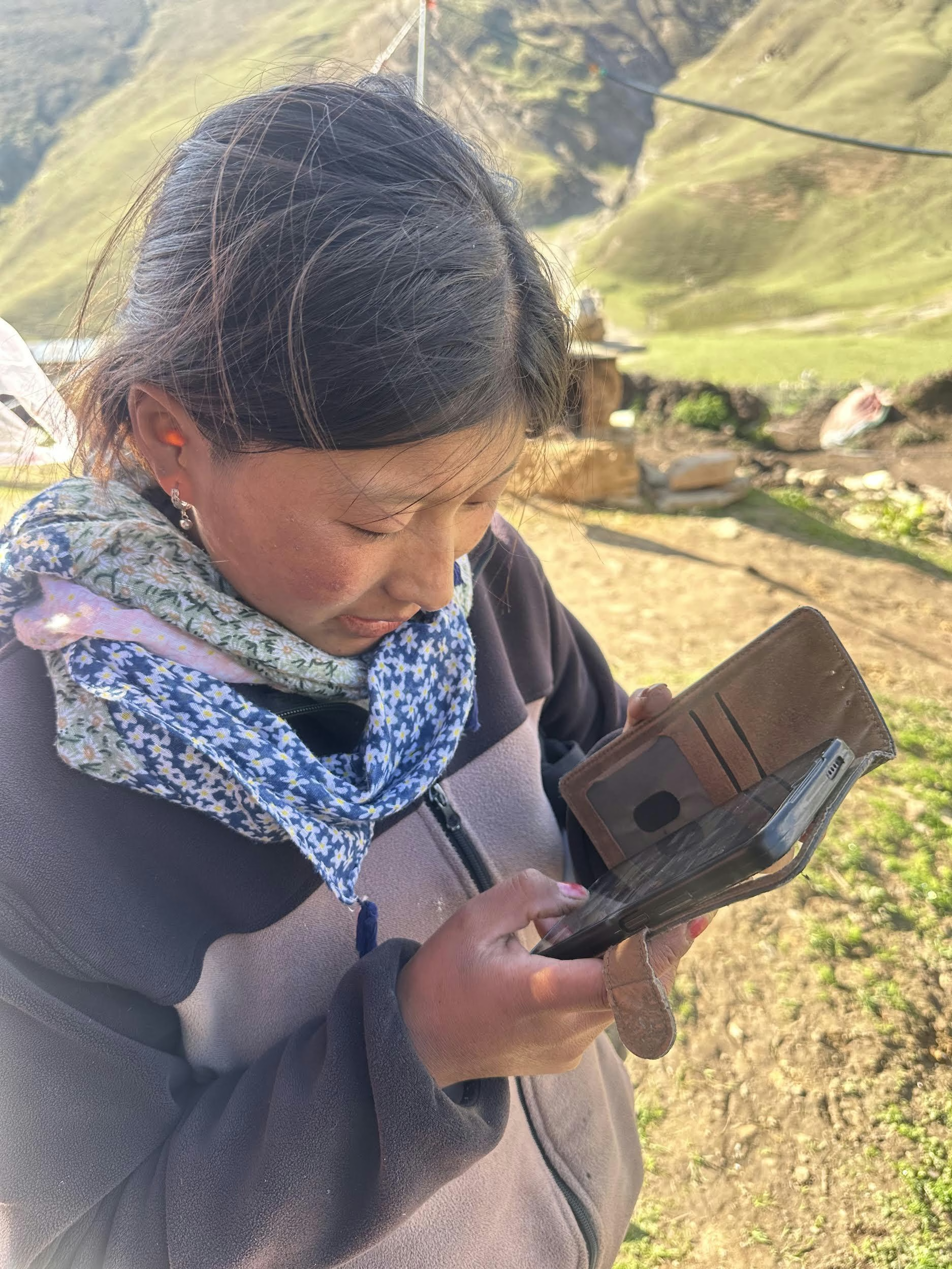
The Snow Leopard Women’s Group, comprising 12 dedicated members, is at the forefront of these efforts. With support from WWF-Bhutan, they have been trained in advanced wildlife reporting techniques, utilizing tools like the NoteCam application for precise data collection. This technology enables the group to document incidents with accuracy, capturing critical details like location and altitude. The information is then swiftly relayed to forestry officials, facilitating timely interventions.
The Role of Technology
The integration of technology has revolutionized the way human-wildlife interactions are managed in Nubri. By empowering women to take charge of reporting, the initiative not only strengthens community involvement but also enhances the accuracy of data shared with authorities. This approach has already resulted in a notable increase in documented cases, paving the way for more effective response strategies.
Empowering Women, Empowering Communities
This initiative is not just about mitigating conflicts; it's about transforming the role of women in these communities. Traditionally confined to domestic roles, women in Nubri are now stepping into leadership positions, driving change and fostering a culture of conservation. This shift is crucial, as women are often present in the villages and can provide timely reports while men tend to be away in pasturelands.
A New Model for Conservation
The success of the Snow Leopard Women’s Group highlights a broader trend in conservation: the importance of local leadership and community engagement. By educating residents about the ecological significance of predators like the snow leopard, the group has not only reduced retaliatory killings but also fostered a deeper appreciation for biodiversity.
Economic Implications
Yak herding, a cornerstone of Nubri’s economy, faces existential threats from increased predator attacks. A single loss can significantly impact household incomes, which average around Nu 100,000 annually from yak-based products. The Snow Leopard Women's Group helps mitigate these losses, providing a buffer against the economic ramifications of human-wildlife conflicts.
Future Perspectives
The group’s work has broader implications for conservation efforts across Bhutan. By demonstrating the effectiveness of community-led initiatives, it sets a precedent for similar programs in other regions facing human-wildlife coexistence challenges. The integration of modern technology with traditional practices offers a blueprint for sustainable conservation efforts.
Conclusion
The Snow Leopard Women’s Group is a beacon of hope in the challenging landscape of human-wildlife coexistence. By empowering women and harnessing technology, they are not only safeguarding Nubri’s rich biodiversity but also ensuring the sustainability of local livelihoods. As conservation efforts continue to evolve, initiatives like these will be crucial in shaping a harmonious future for humans and wildlife alike. 🌟
This initiative is a testament to the power of community-driven conservation, where the efforts of a few can lead to significant changes, ensuring that both humans and wildlife can thrive together in Bhutan’s picturesque landscapes.
You May Also Like
Environment
Climate Crisis in the Himalayas: Bhutan's Cold Reminder
August 29, 2026
Environment
WBH Conservation Project Delivers Clean Water to Rural Homes
August 29, 2026
Environment
HKH Climate Crisis: Why Regional Unity Matters Now
August 29, 2026

Environment
Bhutan's Solar Power Revolution: Energy Security Strategy
August 26, 2026