Category:
HealthCompassionate Healthcare: A Win-Win Model
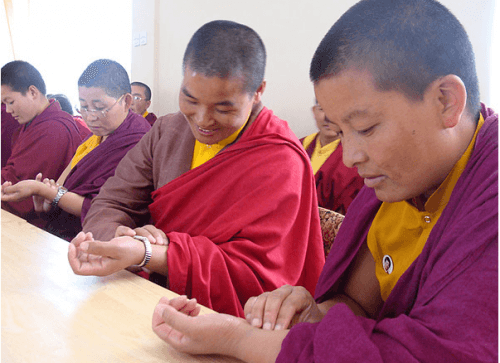
The health of a nation is not just measured by its wealth or technological advancements, but by the compassion it extends to its citizens. Bhutan is exploring this very ethos, striving for a healthcare system that balances accessibility, quality, and sustainability. 🌟
The Philosophy of Compassion in Healthcare
In Bhutan, compassion isn't just a virtue; it's a way of life. The concept of providing free medical care reflects this deeply ingrained cultural value. It aligns with the Buddhist belief that community wellbeing is a shared responsibility. In Japan, a phrase often exchanged in greetings, "okagesama de," encapsulates this sentiment – "I am well because of others." Such expressions underscore the interconnectedness of societal health.
Challenges and Opportunities in Bhutan's Healthcare
Bhutan's healthcare system, despite being free, faces challenges similar to developing nations: limited resources and a need for specialized care. Many Bhutanese travel abroad for treatments, incurring high costs. Addressing these gaps could prevent financial outflows and improve local healthcare outcomes.
The Role of Private Healthcare
Introducing private healthcare facilities could alleviate strain on public hospitals. However, this raises concerns about resource allocation and staff retention in government facilities. A balanced approach could involve:
- Mandatory Tax Contributions: Ensuring everyone contributes to the national health system, irrespective of service usage.
- Service Obligations: Medical professionals trained by the state could be required to serve in public hospitals for a set period.
- International Collaboration: Allowing foreign doctors to work in private clinics to supplement local expertise.
Learning from Global Models
Countries like the UK and Taiwan offer models worth examining. The UK's NHS provides free healthcare funded by taxes, while Taiwan combines modest fees with comprehensive coverage, including both public and private sectors. These systems highlight different ways to achieve universal healthcare without compromising quality.
Integrating Traditional Medicine
Expanding healthcare options to include Ayurvedic and Chinese medicine could cater to diverse needs and preferences. With proper accreditation and quality control, these practices could be beneficial, offering alternative treatments alongside Western medicine.
Towards a Sustainable Healthcare Future
For Bhutan, a dual system with both private and public healthcare could be the key to sustainability. This model could:
- Reduce Overseas Medical Travel: Keeping treatments local would save costs and bolster the national economy.
- Enhance Healthcare Access: Decreasing the burden on public hospitals allows better service delivery.
- Encourage Healthcare Innovations: A competitive environment may foster innovation and efficiency.
Conclusion: A Vision of Collective Wellbeing
A compassionate healthcare system is not just about treating illnesses but nurturing a community. By adopting a model that marries accessibility with choice, Bhutan can set an example of how to blend tradition with modernity in healthcare. As the Buddha taught, the well-off should support those in need, creating a society grounded in empathy and mutual care. 🌿
Looking forward, Bhutan's journey to a harmonious and inclusive healthcare landscape offers hope and inspiration to other nations grappling with similar challenges.
You May Also Like
Health
Mental Health: A Shared National Responsibility
August 29, 2026
Health
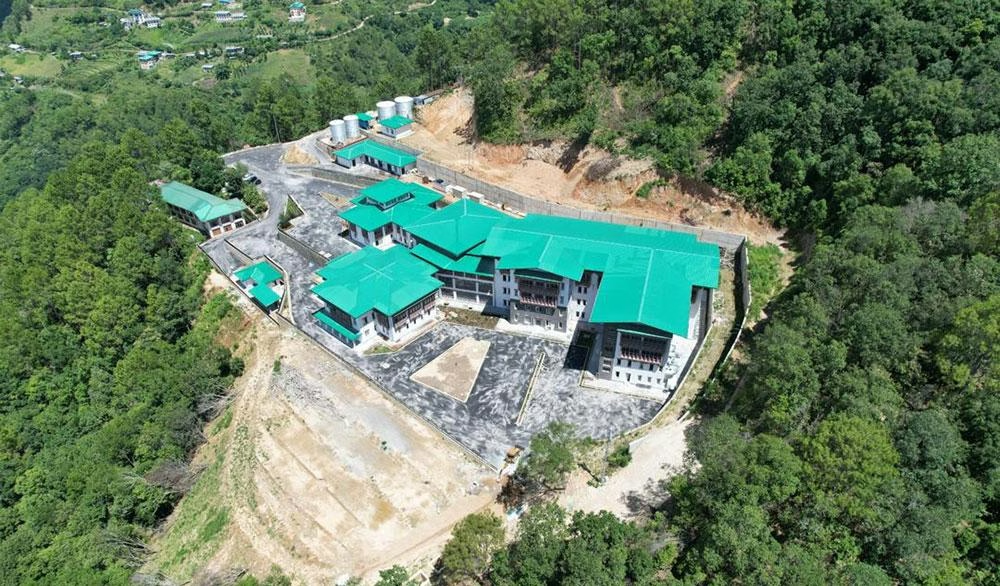
Mongar Mother and Child Hospital Handover: Ending Years of Healthcare Delays
August 26, 2026
Health
Behind Every Statistic: Understanding Human Impact in Health
August 26, 2026
Health
Breaking the Cycle: Understanding Relapse in Recovery
August 22, 2026