Category:
EducationBridging Bhutan's Digital Divide in Schools
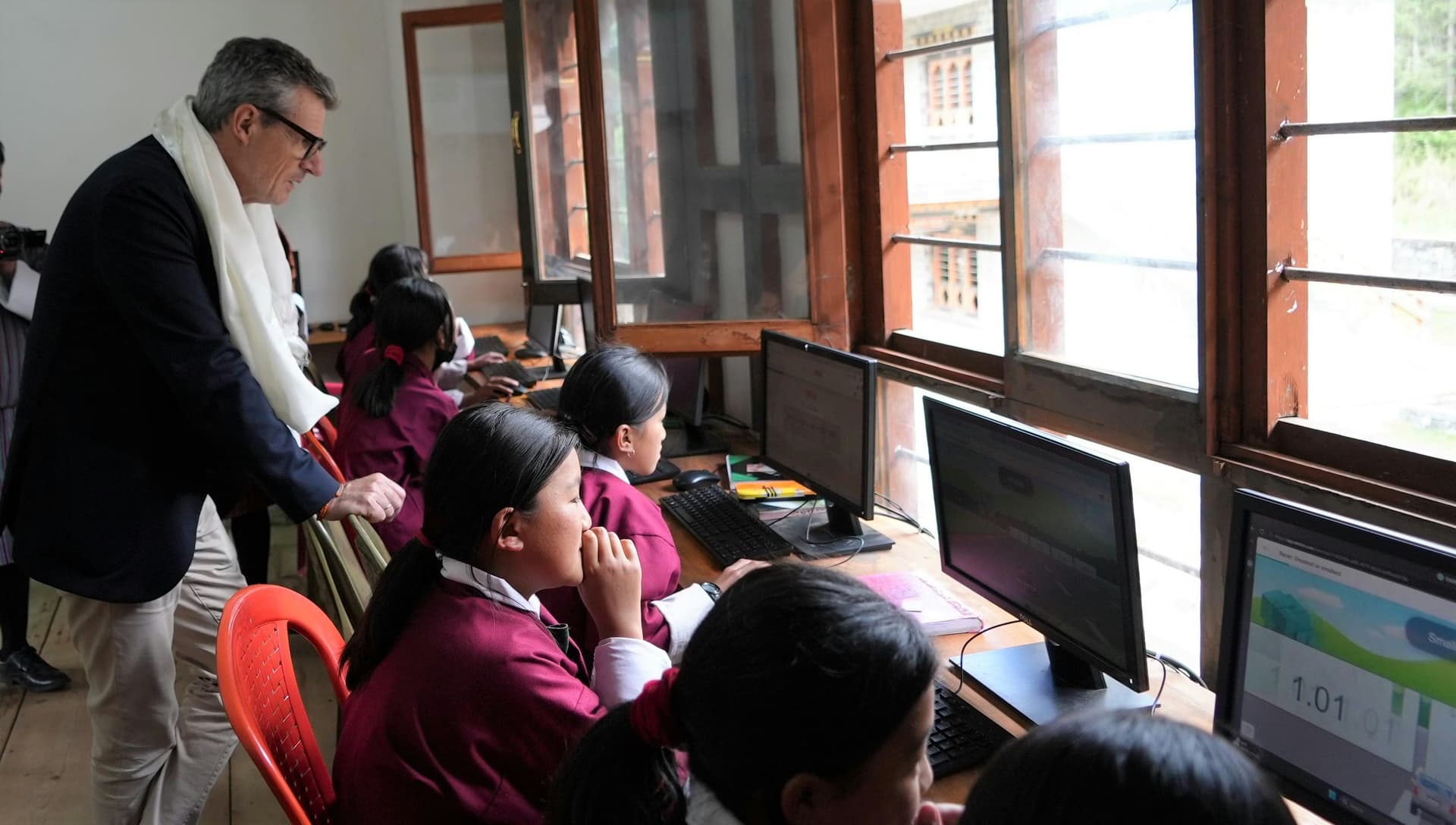
In an inspiring leap towards educational equity, Bhutan's schools are witnessing a transformative digital revolution. 🎓✨ With an ambitious one million euros initiative, campus-wide internet access is now a reality for 10 pilot schools, reshaping the educational landscape for over 6,000 students and 400 teachers.
A New Era for Bhutanese Education 🌐
The European Union, in collaboration with Bhutan's Ministry of Education and Skills Development (MoESD) and UNICEF Bhutan, has spearheaded this transformative project. This initiative is not just about connectivity; it's a comprehensive approach to integrate advanced digital tools and foster a culture of digital literacy.
Breaking Down Barriers
Historically, internet access in Bhutanese schools was limited to Information and Communication Technology (ICT) labs. This new rollout dismantles these limitations, enabling students and teachers to explore digital resources creatively, engage in blended learning, and collaborate in real-time across entire campuses.
The Digital Lopen Programme
Central to this initiative is the Digital Lopen programme. This innovative framework focuses on equipping educators with the skills to leverage technology effectively. The programme has already trained 24 EdTech ambassadors and teacher dzongkhag leads, along with 21 teachers from all 20 dzongkhags and four Thromdes. Through this, the initiative aims to reach an additional 600 teachers nationwide, embedding digital pedagogy at the grassroots level.
Building Sustainable Digital Skills
To ensure longevity and sustainability, the initiative includes technical upskilling for local educators and ICT staff. This includes training 12 ICT laboratory assistants, 22 school teachers, and eight district ICT officials in computer networking and hardware maintenance. Such measures ensure that technical challenges are swiftly addressed on-site, reducing dependency on external support.
Curriculum for a Digital Future 📚
The initiative is not just about current needs but also future-proofing Bhutanese education. Efforts are underway to design interactive STEM content for grades nine and ten, aligning with Bhutan's national curriculum. This focus on digital-first learning aims to prepare students for the demands of the global digital economy.
Cybersecurity: A Priority
In the digital age, cybersecurity is paramount. The initiative integrates cybersecurity awareness, ensuring students are not just tech consumers but informed and responsible digital citizens.
Broader Impacts
The digital divide is a global issue, impacting educational opportunities and economic prospects. This initiative positions Bhutan as a leader in bridging this gap, contributing to the nation's socio-economic development goals.
Conclusion: A Brighter Digital Tomorrow 🌟
As this initiative unfolds, it sets a precedent for educational innovation in Bhutan. By investing in technology, training, and curriculum development, Bhutan is paving the way for a future where education is inclusive, dynamic, and digitally empowered. This initiative not only narrows the digital divide but also opens doors to new opportunities and a brighter future for Bhutanese youth.
Looking forward, the success of this project could inspire similar initiatives across the globe, fostering a worldwide commitment to educational equality and digital empowerment.
You May Also Like

Education
Local Produce Connects Gongthung Farms and School
September 21, 2026

Education
Two Students Transform Library System Into Digital Solution
September 16, 2026

Education
Strengthening School Support for Students Unable to Afford Tuition
September 13, 2026
Education
Student Citizen Journalism: Breaking Silence on Bullying
September 12, 2026