Category:
EconomyBhutan's Agrifood Sector Eyes USD 93.6M Transformation
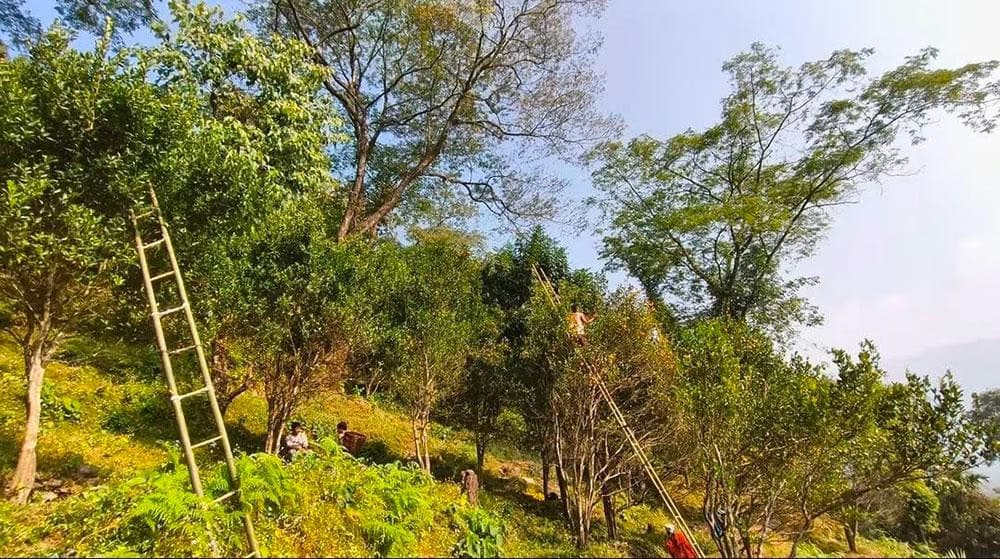
The Kingdom of Bhutan is on the cusp of a transformative journey in its agriculture sector 🌾, with a massive USD 93.6 million investment aimed at revitalizing its agrifood industry. This bold initiative, steered by the Food and Agriculture Organization’s (FAO) Hand-in-Hand Initiative, seeks to propel Bhutan's agricultural capabilities to new heights.
A Strategic Investment in Agrifood 🌟
Bhutan's agrifood sector, a cornerstone of its economy, represents 14.96% of the national GDP and provides employment to 41.7% of the population. Despite its critical role, the sector faces numerous challenges: fragmented farms, labor shortages, and heavy reliance on imports. The Hand-in-Hand Initiative aims to address these issues by focusing on high-potential crops like citrus mandarin, quinoa, black pepper, and rainbow trout.
The Scope of Transformation 🚀
The initiative casts a wide net, targeting over 27,000 farming households. It aims to bolster food self-sufficiency and unlock new export opportunities. Bhutan currently sees varying levels of self-sufficiency across commodities—32% in rice, 84% in vegetables, and 100% in fruits and eggs. The new investments promise to elevate these figures significantly.
Key Investment Areas Include:
- Citrus Mandarin: Largest outreach with 18,000 metric tonnes of annual production.
- Quinoa: Climate-resilient and poised for export, involving 4,000 farmers.
- Black Pepper: USD 5.56 million investment benefiting 3,000 farmers.
- Rainbow Trout: Targeting 15 metric tonnes annual production.
Building Resilience and Sustainability 🌱
Bhutan's agricultural strategy prioritizes resilience and sustainability. The focus is on reducing synthetic fertilizer use by 50% by 2030 and doubling agricultural export earnings. Investments in coffee, strawberries, asparagus, and honey are strategically planned to cater to both domestic and international markets.
Overcoming Challenges and Maximizing Potential 💪
Despite the promising outlook, Bhutan's path to agrifood transformation is lined with hurdles. The limited capacity of farmers to invest in high-yield technologies remains a significant constraint. To overcome this, the initiative will enhance post-harvest management and trade facilitation.
The Road Ahead: FAO's Role 🎯
Since joining the FAO-led Hand-in-Hand Initiative in 2021, Bhutan has established robust governance structures and conducted extensive baseline studies. The FAO, through its Country Programming Framework (CPF) 2024–2028, is set to mobilize USD 83 million, further bolstering Bhutan’s agricultural ambitions.
Conclusion: A Future of Promise 🌄
Bhutan's agrifood sector stands at a transformational threshold, with USD 93.6 million in potential investments ready to reshape its agricultural landscape. The focus on sustainable practices, coupled with strategic crop investments, promises a future where Bhutan not only achieves self-sufficiency but also emerges as a significant player in global agricultural markets. As the nation moves forward, the Hand-in-Hand Initiative represents a beacon of hope, ensuring that the agrifood sector becomes a robust pillar of Bhutan's economy.
The journey ahead is challenging yet filled with potential. With continued support and strategic investments, Bhutan is set to unlock its agrifood sector's full potential, paving the way for economic growth and sustainability.
You May Also Like

Economy
Fixed Deposit Tax Withholding: What You Need to Know
September 13, 2026
Economy
DRC's QR Payment Innovation: Tracking Business Income
September 2, 2026
Economy
Single Mother Transforms Life Through Beekeeping in Bhutan
August 31, 2026
Economy
Natural Resources: Turning Ore into National Opportunity
August 29, 2026