Category:
EconomyBathing Carnival 2.0: Revolutionizing Local Product Marketplace
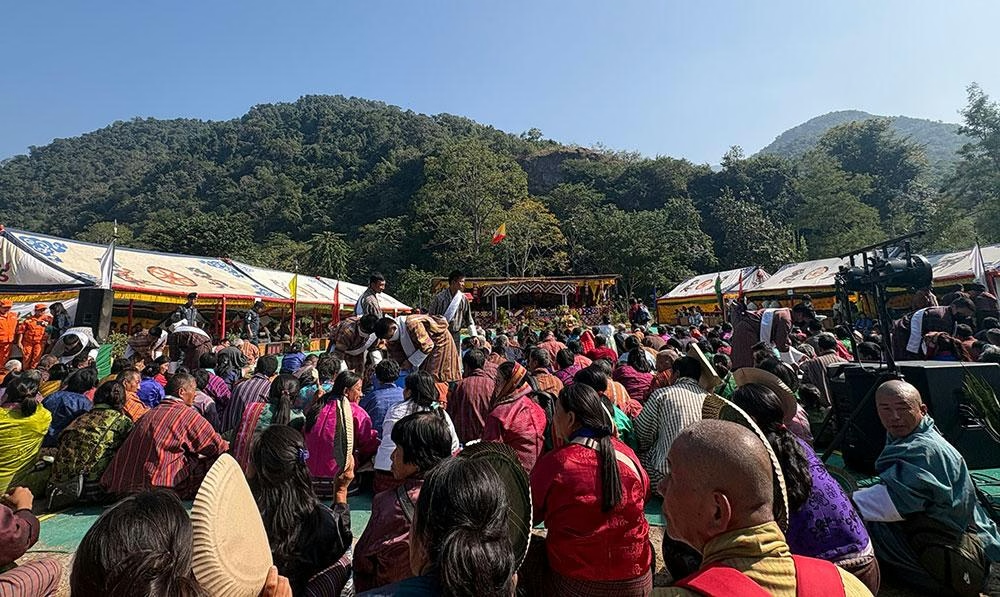
A Festival Transforming Rural Commerce 🎪
Bhutan's rural economy is experiencing a significant shift as traditional village communities discover new pathways to economic growth. The second edition of Bathing Carnival has emerged as a catalyst for this transformation, drawing over 2,000 visitors to the scenic Telung area in Dechheling Gewog, Pemagatshel. What began as a modest celebration of local culture has evolved into a dynamic economic platform where artisans, farmers, and entrepreneurs showcase their craftsmanship directly to consumers.
This innovative marketplace model addresses a persistent challenge in Bhutan's rural development: the disconnect between producers and buyers. By creating a dedicated space for local products, the festival eliminates traditional barriers that have long hindered small-scale vendors from reaching broader markets.
The Economics of Direct Market Access 💰
For rural entrepreneurs, transportation costs represent one of the most significant obstacles to commerce. Traveling to established markets like Mongar requires substantial investment in logistics, time, and resources that many small-scale producers simply cannot afford.
Tshering Choden, a vendor from Gongdue Gewog in Mongar, exemplifies this challenge. Previously, she would spend approximately four hours traveling to Mongar's markets while incurring transportation expenses of around Nu 6,000 per trip. These costs directly reduce profit margins and discourage regular market participation. Through the Bathing Carnival marketplace, vendors like Choden can showcase bangchungs, fresh chillies, and seasonal fruits without bearing these excessive transportation burdens.
The economic impact is tangible and measurable. During last year's inaugural event, participating vendors reported substantial earnings that validated the festival's commercial potential. Namkha Wangmo's group, specializing in traditional cotton garments including hand-woven dresses, rachus, and scarves from Chongshing Gewog, earned over Nu 70,000 during the three-day period. For rural communities where annual household incomes remain modest, such earnings represent meaningful economic advancement.
Preserving Tradition While Building Prosperity 🧵
The marketplace celebrates authentic Bhutanese craftsmanship while creating sustainable income opportunities. Local artisans produce items deeply rooted in cultural heritage—from intricately woven textiles to traditionally crafted wooden vessels.
Norbu Jamtsho, a 55-year-old craftsman from Khar Gewog, continues the ancestral tradition of producing dhungs and jalis, wooden containers that have been essential to Bhutanese households for generations. By participating in the carnival, such artisans gain recognition and economic reward for skills that might otherwise fade as younger generations migrate to urban centers.
The festival's product diversity reflects Bhutan's agricultural richness:
- Agricultural Products: Peanuts, kharang (local vegetables), buckwheat, soybeans, and fresh fruits
- Artisanal Goods: Bamboo products, handwoven textiles, and traditional wooden items
- Specialty Items: Locally brewed ara, cassava-based products, and preserved foods
- Crafted Textiles: Cotton garments, traditional scarves, and woven accessories
Kinzang Tshering from Chhimoong Gewog noted that the festival generated approximately Nu 70,000 in profits for his community from selling agricultural products. Beyond financial gains, he emphasized the psychological benefits: villagers gain valuable marketing exposure while enjoying a well-deserved break from intensive farming activities.
Strategic Timing and Infrastructure Development 🌤️
Organizers demonstrated adaptive management by rescheduling the 2024 edition from its original monsoon timing to November. The initial plan to coincide with Thruebab (Blessed Rainy Day) proved impractical due to challenging weather conditions and elevated water levels that compromised visitor safety and comfort.
This scheduling adjustment reflects growing sophistication in festival management and demonstrates responsiveness to environmental and logistical realities. The revised November timeframe offers optimal conditions for water-based activities while ensuring safer travel for participants from across the country.
Economic Impact and Tourism Development 📊
The inaugural Bathing Carnival generated remarkable economic returns despite being a newly established event. The three-day festival attracted 8,035 visitors, including 35 international tourists, generating approximately Nu 6.5 million through accommodation, food services, and recreational activities. This figure underscores the festival's significance as a revenue driver for the region.
The presence of international visitors particularly noteworthy—these tourists represent potential long-term markets for Bhutanese artisans and agricultural producers. Exposure to global consumers can inspire product innovation and quality improvements while establishing export pathways for premium local goods.
Comprehensive Activity Programming 🚣
The festival transcends simple marketplace functions by offering diverse recreational experiences that enhance visitor engagement and extend stay duration. The three-day programming includes:
- Water Sports: Rafting expeditions on local rivers
- Fishing Activities: Fly-fishing experiences in pristine mountain streams
- Cultural Immersion: Direct interaction with local artisans and producers
- Culinary Experiences: Authentic Bhutanese cuisine and local beverages
This multi-faceted approach appeals to different visitor demographics—adventure seekers, cultural enthusiasts, and conscious consumers seeking authentic local products.
Government Vision and Future Development 🏛️
The Dzongrab of Pemagatshel, Jamyang Cheda, articulated a comprehensive vision extending beyond immediate commercial objectives. The primary goal focuses on stimulating local economic development while fostering community cohesion. Government authorities recognize that sustainable rural prosperity requires ongoing infrastructure investment and product quality enhancement.
Pemagatshel Dzongkhag Administration's collaborative approach—partnering with Mongar Dzongkhag Administration and the Department of Tourism—demonstrates integrated governance focused on regional economic development. This multi-agency coordination ensures resources are effectively deployed and that festival benefits extend throughout both dzongkhags.
Future planning emphasizes product quality improvement and market positioning. As international awareness grows, maintaining high standards becomes critical for establishing Bhutan's local products as premium offerings in regional and global markets.
Broader Economic Implications for Rural Bhutan 🌍
The Bathing Carnival model addresses fundamental rural development challenges that persist across mountainous regions worldwide. Limited market access, high transaction costs, and geographic isolation typically constrain rural entrepreneurship. By creating dedicated marketplace events, Bhutan demonstrates innovative solutions to these structural barriers.
The festival's success suggests potential for replicating this model across other dzongkhags, creating a network of seasonal markets that serve dispersed rural producers. Such expansion could fundamentally reshape rural economic participation and reduce urban migration pressures.
Moreover, the event attracts international tourism attention, generating foreign exchange earnings while showcasing Bhutan's commitment to sustainable development and cultural preservation. This aligns with national policies emphasizing high-value, low-impact tourism that respects environmental and cultural integrity.
What This Means for Rural Entrepreneurs 💡
For producers in Bhutan's remote communities, the Bathing Carnival represents more than a temporary sales opportunity—it signals recognition of their economic value and potential. The festival validates traditional craftsmanship and agricultural production as viable commercial activities worthy of investment and development.
Vendors gain practical marketing experience, customer feedback, and networking opportunities that extend beyond the three-day event. These intangible benefits often prove as valuable as immediate sales, enabling entrepreneurs to refine products, understand market preferences, and build customer relationships.
Looking Forward: Sustainability and Growth 🚀
As the Bathing Carnival enters its growth phase, several considerations will determine long-term success. Maintaining product quality consistency, developing vendor support systems, and managing visitor capacity will require ongoing attention from organizing authorities.
The festival's trajectory suggests promising potential for becoming an established fixture in Bhutan's tourism and commerce calendar. With strategic development and continued inter-dzongkhag collaboration, this marketplace model could inspire similar initiatives throughout the country, ultimately strengthening rural economies and preserving cultural heritage simultaneously.
Key Takeaways 🎯
The Bathing Carnival 2.0 demonstrates that effective rural economic development requires creating direct connections between producers and consumers. By eliminating transportation barriers and providing dedicated marketplace platforms, communities can unlock economic potential while celebrating cultural identity. This innovative approach offers valuable lessons for sustainable development in mountainous regions worldwide, proving that tradition and commerce can flourish together when given proper infrastructure and support.
You May Also Like
Economy
Bhutan's Demographic Countdown: Racing Against Time
November 4, 2026
Economy
Bhutan's Working-Age Population Peak: A 2031 Turning Point
November 4, 2026
Economy
GMCA's Strategic Global Partnerships Reshape Bhutan's Economic Future
November 4, 2026
Economy
Gelephu Mindfulness City Builds Trust-Based Financial System
November 3, 2026