Category:
WorldBangladesh and Bhutan: From Diplomatic Ties to Strategic Partnership
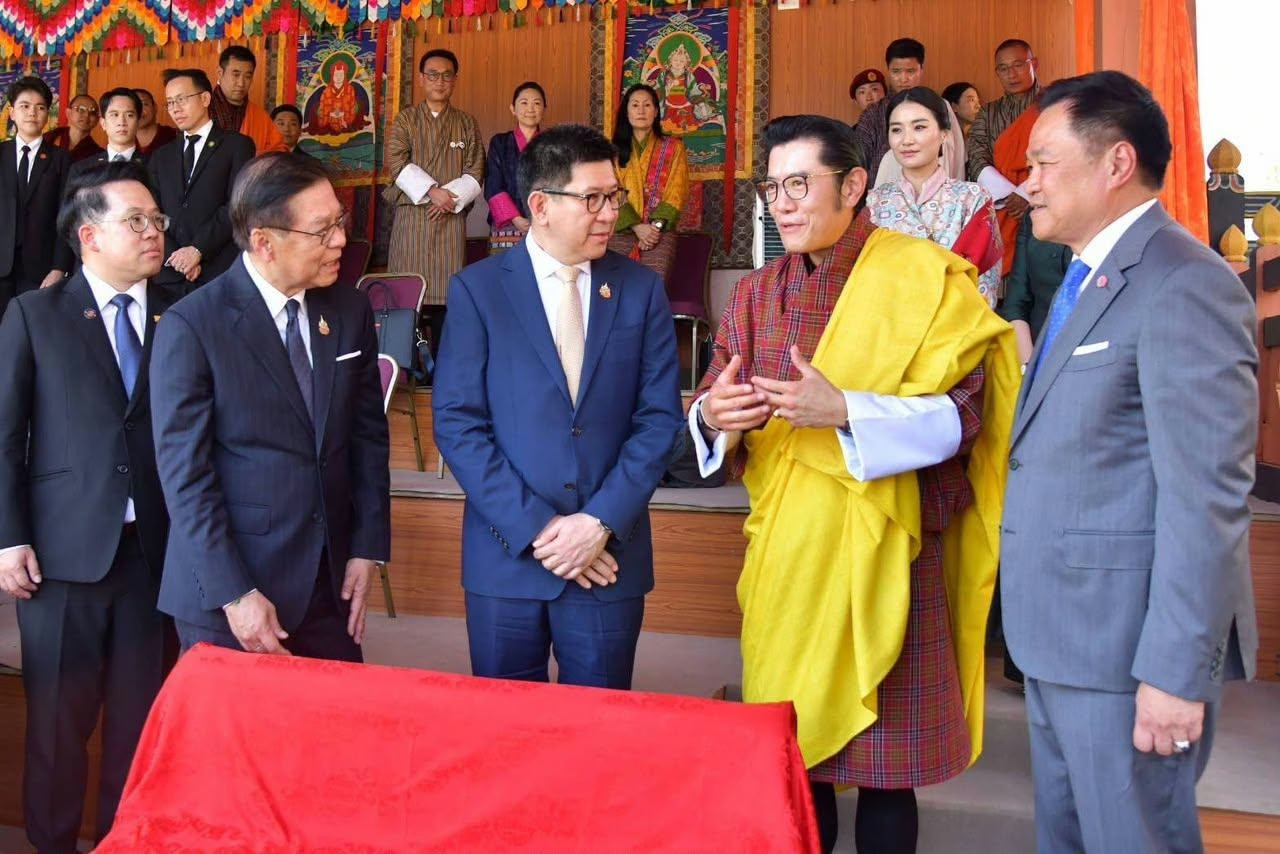
A Historic Bond Strengthens Into Action 🤝
When Bangladesh declared independence on December 16, 1971, Bhutan stood among the first nations to extend recognition—a gesture that would lay the foundation for one of South Asia's most promising bilateral relationships. More than five decades later, this historic bond is undergoing a remarkable transformation. What began as diplomatic goodwill is now crystallizing into tangible, results-driven cooperation across multiple sectors, signaling a new era of pragmatic partnership between these two Himalayan neighbors.
The relationship between Dhaka and Thimphu has evolved from ceremonial exchanges to substantive collaboration. Recent diplomatic engagements, including productive Foreign Office Consultations and high-level state visits, demonstrate both nations' commitment to moving beyond rhetoric toward concrete achievements that benefit their citizens and economies.
Breaking Down Barriers: Tourism as a Cultural Bridge 🌏✈️
One of the most compelling initiatives emerging from this partnership is the Bangladesh-Bhutan Tourism Fair, launched in December 2024. This event represents far more than a conventional trade show—it's a strategic effort to unlock the vast potential between two nations separated by merely one hour of flight time, yet worlds apart in awareness.
Despite geographic proximity, many Bhutanese citizens remain unaware of Bangladesh's extraordinary Buddhist heritage, coastal splendor, and natural wonders. Similarly, Bangladeshi travelers have limited exposure to Bhutan's unique cultural offerings. The tourism fair aims to address this knowledge gap by:
- Facilitating operator connections to develop joint travel packages
- Increasing flight frequencies between Dhaka and Thimphu
- Promoting religious tourism centered on Bangladesh's ancient Buddhist archaeological sites
- Showcasing natural attractions including the Sundarbans mangrove forests and pristine beaches
- Emphasizing cultural exchange through traditional hospitality experiences
This initiative could fundamentally reshape travel patterns in the region, creating economic opportunities for both nations while deepening cultural understanding.
Trade Dynamics: Building on Preferential Foundations 💼📊
Bilateral trade between Bangladesh and Bhutan has demonstrated remarkable resilience and steady growth. Bangladesh currently serves as Bhutan's second-largest export destination while ranking as its eighth-largest import source—a relationship that underscores mutual economic interdependence.
The preferential trade agreement, marking the first formal trade pact between these nations, has established a solid platform by offering:
- Duty-free access for 100 Bangladeshi products
- Duty-free access for 34 Bhutanese products
- Streamlined mechanisms for banking and letter of credit processes
However, both nations recognize this agreement represents just the beginning. Ongoing discussions focus on expanding product coverage and establishing a comprehensive bilateral free trade agreement—a move that could exponentially increase commercial activity and create new opportunities across multiple sectors.
Renewable Energy: Powering Regional Development ⚡🔋
Perhaps no area holds greater strategic significance than hydropower cooperation. Bangladesh's energy demands are growing rapidly as its economy expands, while Bhutan possesses world-class hydroelectric potential—a complementary relationship that could benefit both nations and the broader region.
However, realizing this partnership requires navigating complex geopolitical realities. Since electricity would necessarily transit through Indian territory, establishing a functional power trade arrangement demands a sophisticated trilateral framework encompassing:
- Cross-border grid connectivity standards ensuring technical compatibility
- Wheeling charges that fairly compensate transit nations
- Power purchase agreements establishing long-term commercial terms
- Regulatory harmonization across three distinct national systems
Working-level discussions between Dhaka, Thimphu, and Delhi continue actively, with both Bangladesh and Bhutan demonstrating strong political commitment to overcoming technical obstacles. Success would represent a transformative achievement in South Asian energy cooperation, potentially serving as a model for future regional renewable energy initiatives.
Port Access: Unlocking Maritime Corridors 🚢⛴️
Bhutan's landlocked geography has historically limited its international trade options. Bangladesh's deep-water ports at Chattogram and Mongla represent a game-changing opportunity to diversify Bhutan's logistics infrastructure and reduce dependency on limited existing transit routes.
The first trial transhipment of Bhutanese cargo through Chattogram Port in December 2025 marked a watershed moment, proving the operational viability of this corridor. A second trial is underway, with full-scale commercial transit operations anticipated to follow upon successful completion.
Both nations are actively operationalizing mechanisms to facilitate this expanded port cooperation:
- Joint technical committees establishing standardized transit fee structures
- Feasibility studies evaluating Mongla Port's potential, given its geographic proximity to Bhutan
- Riverine port integration connecting Narayanganj and Pangaon with road infrastructure
- Customs clearance harmonization reducing bureaucratic delays and transaction costs
This maritime corridor could fundamentally reshape Bhutan's trade patterns, reducing shipping costs and transit times while generating substantial revenue for Bangladesh's port authorities.
Sectoral Synergies: Beyond Traditional Trade 🏭🔬
While trade in conventional goods remains important, both nations recognize extraordinary opportunities in non-traditional sectors where complementary strengths create natural partnerships.
Bangladesh's pharmaceutical sector has emerged as a global powerhouse, exporting quality medications to more than 150 countries across six continents. Bhutan represents a natural market for these products, offering opportunities for technology transfer and local production partnerships.
Bangladesh's ready-made garment industry, employing millions and generating billions in annual exports, possesses expertise and capacity that could establish production facilities in Bhutan or support value-chain development.
Bhutan's organic agriculture and horticulture represent distinct competitive advantages. Joint agro-processing ventures could transform raw Bhutanese agricultural products into value-added goods for regional markets, benefiting both nations' rural economies.
Information technology and digital services present emerging opportunities. Bangladesh's growing ICT sector can partner with Bhutan on public infrastructure projects, software development, and digital transformation initiatives—sectors where Bangladesh has developed genuine expertise.
Human Capital Development: Investing in Future Leaders 🎓📚
Recognizing that sustainable development depends on human capital, Bangladesh has significantly expanded educational opportunities for Bhutanese students and professionals. This commitment reflects a long-term vision of building enduring ties through shared learning and professional development.
The medical scholarship program exemplifies this commitment. What began as a modest initiative has expanded substantially:
- Medical scholarships increased from 22 to 30 positions annually
- MBBS and BDS programs now accommodate more Bhutanese students
- Engineering scholarships introduced for the first time at Bangladesh University of Engineering and Technology (BUET), with nine Bhutanese students already enrolled
These educational investments carry profound significance. Many Bhutanese physicians trained in Bangladesh now serve as the backbone of Bhutan's healthcare system, while new engineering graduates will contribute to infrastructure development and technological advancement.
Particularly intriguing is the prospect that engineering graduates may contribute to Gelephu Mindfulness City, His Majesty's visionary initiative to create a sustainable urban center. This connection between educational exchange and major development projects demonstrates how human capital development directly supports broader national aspirations.
Cultural Exchange: Building People-to-People Connections 🎭🎨
Beyond official channels, cultural exchange initiatives strengthen the social fabric binding these nations. Through festivals, artistic performances, and educational programs, citizens develop personal connections that transcend diplomatic formalities.
These cultural initiatives serve practical purposes beyond sentiment. They build constituencies within each nation that understand and appreciate the other's culture, creating political support for continued cooperation and reducing misunderstandings that might otherwise complicate official relations.
Looking Forward: The Path to Deeper Integration 🌟💫
The transition from goodwill-based cooperation to results-driven partnership represents a maturation of the Bangladesh-Bhutan relationship. Both nations have moved beyond ceremonial gestures toward establishing concrete mechanisms, formal agreements, and measurable outcomes.
Several factors position this partnership for continued expansion:
- Complementary economic structures create natural trading advantages
- Geographic proximity facilitates logistics and communication
- Shared democratic values provide political stability
- Mutual development priorities align long-term strategic interests
- Strong political commitment from leadership in both capitals
The challenges ahead are significant but surmountable. Establishing trilateral frameworks for hydropower trade requires diplomatic finesse and technical expertise. Scaling port utilization demands infrastructure investment and regulatory harmonization. Expanding trade requires addressing non-tariff barriers and logistics inefficiencies.
Yet the momentum is undeniable. From tourism fairs to port trials, from scholarship expansions to trade agreement negotiations, Bangladesh and Bhutan are systematically building the institutional architecture of a modern, functional partnership.
Conclusion: A Partnership Worth Watching 🎯✨
The Bangladesh-Bhutan relationship stands at an inflection point. What began as diplomatic recognition in 1971 has evolved into a multifaceted partnership addressing energy security, trade expansion, human development, and cultural understanding. The transition from goodwill gestures to results-driven cooperation reflects both nations' maturity and pragmatism.
For observers of South Asian affairs, this partnership offers valuable lessons about how neighboring nations can transcend historical constraints and geographic limitations to build mutually beneficial relationships. As Bangladesh and Bhutan continue implementing their ambitious cooperation agenda, they're not merely strengthening bilateral ties—they're modeling a template for constructive regional engagement that prioritizes concrete results over rhetorical flourishes.
The next five years will prove decisive. Success in port utilization, hydropower arrangements, and trade expansion could position these nations as exemplars of South Asian cooperation. The world is watching—and the results so far suggest this partnership has substantial upside potential.