Category:
NewsBabesa Expressway Upgrade: Easing Traffic by 2029
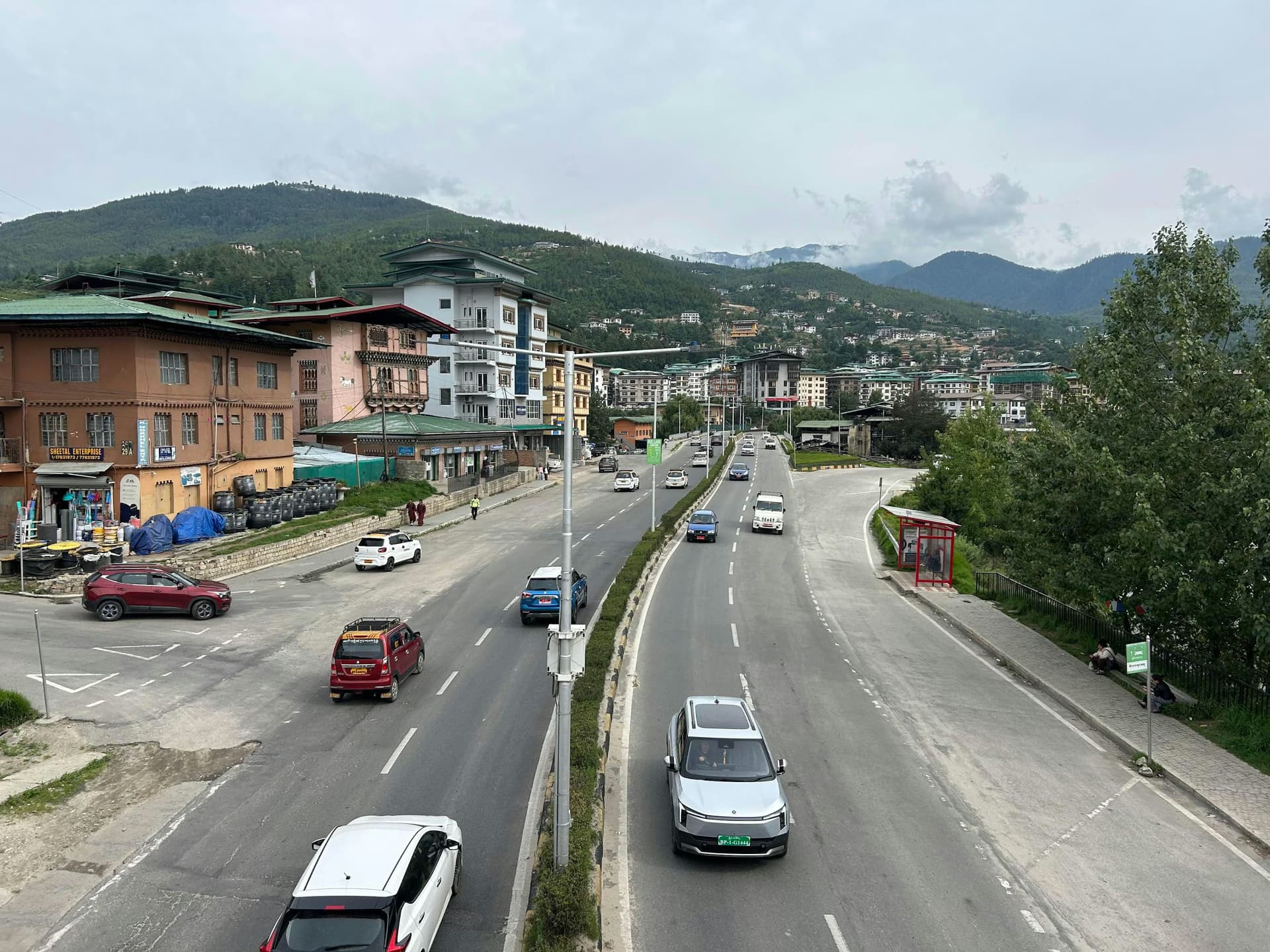
In a city grappling with increasing traffic congestion, the Babesa Expressway upgrade is a beacon of hope for Thimphu's residents. By 2029, this major redevelopment aims to transform the city’s busiest stretch, alleviating traffic woes that have plagued commuters for years.
Understanding the Traffic Challenge
Thimphu, the bustling capital of Bhutan, has seen rapid growth in vehicle numbers. As of May 2023, the city housed 75,102 of the country's 129,880 registered vehicles. This surge has overwhelmed the existing infrastructure, leading to long queues and frustrating delays, particularly during peak hours 🚗🚦.
The Need for Change
The Ministry of Infrastructure and Transport (MoIT) has recognized these challenges, noting that nearly 50% of commuters rely on private vehicles, while only 15% use public transport. This reliance on cars has resulted in severe congestion along the north–south urban corridor.
The Expressway Redevelopment Plan
The Babesa Expressway upgrade is not just about adding lanes; it's a comprehensive plan to enhance the entire transport ecosystem. Here's what the project entails:
- Bus Priority Corridor: A six-kilometer dedicated bus lane will stretch from the Babesa Living Sculpture to the Cottage and Small Industry Junction. This aims to boost public transport efficiency and reduce travel times 🚌.
- Pedestrian and Non-Motorised Transport Improvements: Enhanced sidewalks, pedestrian crossings, and pathways will ensure safer and more accessible travel for all, including persons with disabilities.
- Intelligent Transport Systems: These systems will facilitate real-time traffic and bus operations, optimizing overall flow and reducing congestion.
Aligning with National Goals
This project supports Bhutan's broader urban and environmental objectives. The Low Emission Transport Masterplan (LETMP) emphasizes public over private transport, aiming to reduce greenhouse gas emissions and improve urban livability 🌍.
Climate Resilience and Safety
Improving the expressway’s drainage and stormwater systems will enhance flood management, bolstering the corridor's climate resilience. This is crucial in a city increasingly affected by climate change impacts 🌧️.
Economic and Social Impacts
Funded by the Government of India’s Project-Tied Assistance programme, the expressway upgrade will not only ease congestion but also enhance economic activity by improving accessibility. It prioritizes inclusivity, ensuring better mobility for low-income groups, women, and elderly citizens.
Community and Government Support
Prime Minister Tshering Tobgay emphasized the importance of making Thimphu safer and more livable, aligning with the One Thimphu Project’s vision of beautifying the capital. This project reflects the government's commitment to sustainable urban development 🏙️.
What Comes Next?
As the project enters the outsourcing phase, implementation is set to begin this year. Residents can look forward to a more efficient and pleasant commuting experience by 2029. This transformation promises not only to ease traffic but to redefine Thimphu’s urban landscape.
Conclusion
The Babesa Expressway upgrade is a critical step toward solving Thimphu's traffic crisis. By prioritizing efficient public transport, enhancing pedestrian safety, and integrating climate resilience, the project lays the groundwork for a more accessible and sustainable future. As the city evolves, this expressway will serve as a testament to Bhutan's commitment to progress and innovation ✨.
You May Also Like
News
Women Entrepreneurs Master AI and Digital Tools in Phuentsholing
September 1, 2026
News
Can Samtse Keep Up With Its Growing Workforce?
August 29, 2026
News
Nepal Flood Exposes Critical Gaps in Bhutan's Early Warning Systems
August 29, 2026
News
High Court Overturns Acquittal: Doctor Sentenced to 10 Years for Child Sexual Abuse
August 29, 2026